Health Authorities Warn of Intensifying Outbreak Across Eastern Provinces
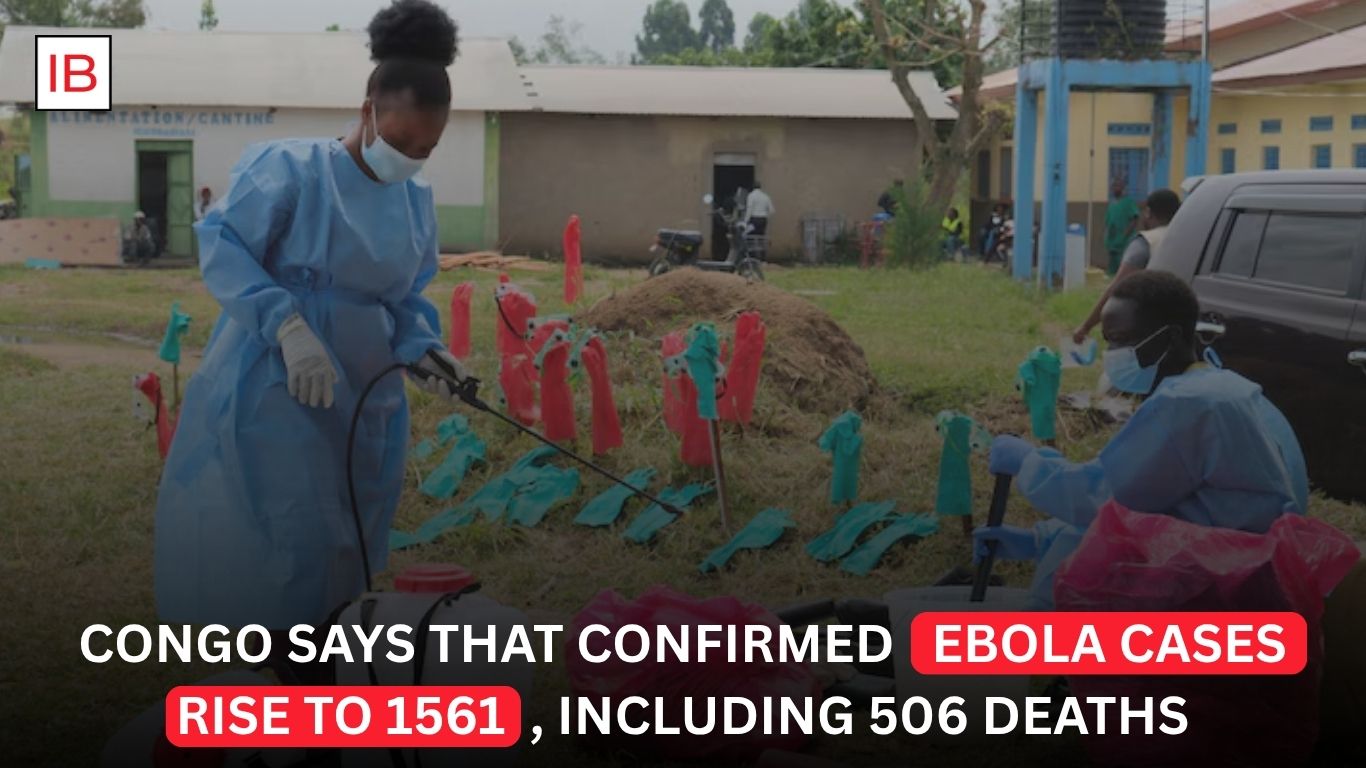
The Democratic Republic of Congo (DRC) has reported a sharp rise in confirmed Ebola cases to 1,561, with 506 deaths, according to government health data, underscoring the continued severity of the outbreak spreading across eastern regions of the country.
The latest figures mark another increase from earlier in the week, reflecting ongoing transmission despite containment efforts and international support.
Cases Continue to Rise in Eastern Congo
Health officials said infections remain concentrated in the eastern provinces of Ituri, North Kivu, and South Kivu, areas that have faced repeated outbreaks in recent years due to limited healthcare access and ongoing insecurity.
Key developments include:
- Total confirmed cases: 1,561
- Total deaths: 506
- Rapid spread across multiple health zones
- Continued community transmission despite intervention efforts
The outbreak has been linked to a strain of Ebola that has proven difficult to contain in remote and conflict-affected regions.
Response Efforts Under Pressure
Authorities and international health organizations have deployed containment measures including:
- Contact tracing and isolation of confirmed cases
- Deployment of medical response teams
- Expansion of treatment centers in affected provinces
- Public health campaigns on infection prevention
However, responders continue to face challenges due to:
- Insecurity in outbreak zones
- Limited infrastructure and medical capacity
- Delays in early detection in remote communities
- Population displacement driven by conflict
These factors have contributed to the sustained spread of the virus.
Regional and International Concern Grows
The outbreak has drawn attention from global health agencies, which warn that continued growth in case numbers increases the risk of wider regional spread, particularly across porous borders with neighboring countries.
Health experts stress that:
- Early detection remains critical
- Vaccination and isolation measures are essential
- Cross-border coordination is needed to prevent expansion
- Community trust is key to containment efforts
Ebola Strain and Transmission Risks
Officials have not indicated major changes in the virus strain, but Ebola outbreaks in the region typically spread through:
- Direct contact with infected bodily fluids
- Unsafe burial practices
- Exposure in healthcare settings without protection
- Transmission within households and caregiving environments
Case fatality rates remain high, particularly in regions with delayed treatment access.
Ongoing Humanitarian and Health Challenges
The outbreak is unfolding in an already fragile environment where humanitarian needs are high. Conflict and displacement in eastern Congo continue to complicate public health operations, limiting access to affected populations and slowing response times.
Medical teams are prioritizing:
- Rapid isolation of suspected cases
- Expansion of treatment capacity
- Protection of healthcare workers
- Strengthening surveillance systems
Looking Ahead
With confirmed cases continuing to rise past 1,500 infections, health authorities warn that the trajectory of the outbreak will depend heavily on the speed and effectiveness of containment measures in the coming weeks.
While response efforts are ongoing, experts caution that sustained transmission in remote and unstable regions could prolong the outbreak unless surveillance, treatment access, and community engagement are significantly strengthened.