Strong Demand for AI Infrastructure Continues to Drive Technology Stocks Despite Growing Questions Over Sustainability
The rapid expansion of artificial intelligence continues to fuel massive investment in semiconductors, memory chips, and data centers, making AI-related companies some of the stock market’s strongest performers. However, analysts warn that increasing volatility reflects growing uncertainty over whether the pace of AI spending can be sustained in the long term.
Investors remain optimistic about the long-term growth of AI, but recent market swings show that expectations are becoming more sensitive to earnings results, capital spending plans, and the future profitability of large-scale AI infrastructure projects.
AI Infrastructure Spending Continues to Surge
Technology giants are investing hundreds of billions of dollars to expand AI capabilities through new data centers and advanced computing infrastructure.
The investment wave is driving demand for:
- AI processors
- Memory chips
- Graphics processing units (GPUs)
- Networking equipment
- High-performance servers
Companies involved across the AI supply chain have benefited from this unprecedented level of capital expenditure.
Semiconductor Companies Lead the Rally
Chip manufacturers remain among the biggest beneficiaries of the AI revolution.
Growing demand for high-performance computing has boosted companies producing:
- High Bandwidth Memory (HBM)
- AI accelerators
- Server processors
- Advanced semiconductor packaging
- Data center hardware
Strong earnings and continued investment have helped many semiconductor stocks outperform broader equity markets over the past year.
Data Centers Become the Foundation of AI
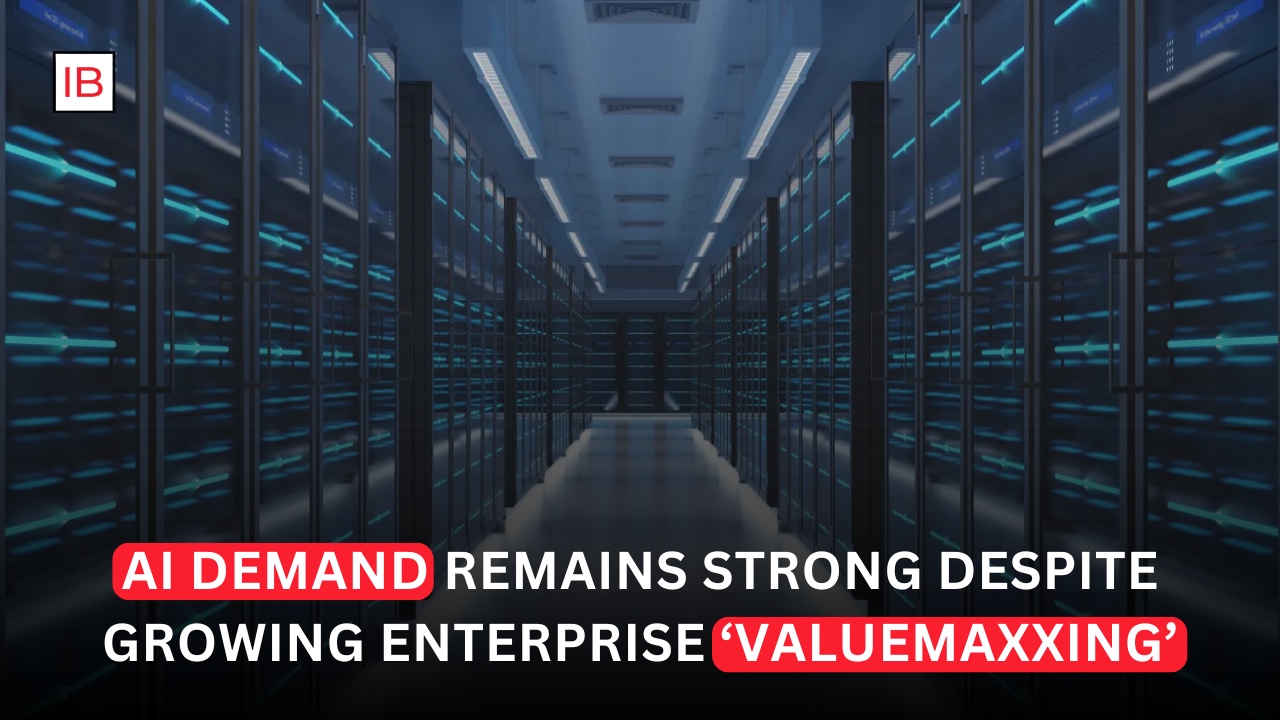
Modern AI models require enormous computing power, making data centers a critical part of the industry’s growth.
AI data centers support:
- Large language models
- Machine learning training
- Cloud computing
- AI inference
- Enterprise AI applications
As demand for AI services expands, hyperscale cloud providers continue building new facilities to meet increasing computing requirements.
Why Markets Have Become More Volatile
Despite the strong long-term outlook, investors have become increasingly cautious about the pace of AI-related spending.
Key concerns include:
- High infrastructure costs
- Elevated stock valuations
- Sustainability of AI investment
- Slowing corporate earnings growth
- Rising interest rates
Even small changes in earnings expectations or capital spending plans have triggered sharp movements in AI-related stocks.
Power Demand Emerges as a New Challenge
The rapid construction of AI data centers is also creating new challenges for electricity infrastructure.
Industry experts note that AI facilities consume significantly more power than traditional data centers, increasing pressure on electrical grids and prompting greater investment in energy generation and transmission.
Reliable power supplies are becoming a critical factor in supporting future AI expansion.
Investors Focus on Long-Term Growth
Although short-term volatility remains elevated, many analysts believe the long-term AI investment cycle is still in its early stages.
Future growth is expected to depend on:
- Continued enterprise AI adoption
- Expansion of cloud infrastructure
- Advances in semiconductor technology
- Productivity gains from AI
- Sustainable returns on capital investment
Investors will closely monitor upcoming earnings reports for signs that AI spending continues translating into profitable business growth.
Looking Ahead
Artificial intelligence continues reshaping the global technology sector, driving unprecedented demand for chips, memory, and data center infrastructure. While the long-term outlook remains strong, recent market volatility highlights investors’ growing focus on whether enormous AI investments will generate sustainable returns.
As companies continue expanding AI capabilities, the balance between rapid innovation, infrastructure spending, and profitability is likely to remain one of the most closely watched themes in global financial markets.