Government Support and AI Demand Help Revive Intel’s Turnaround Efforts
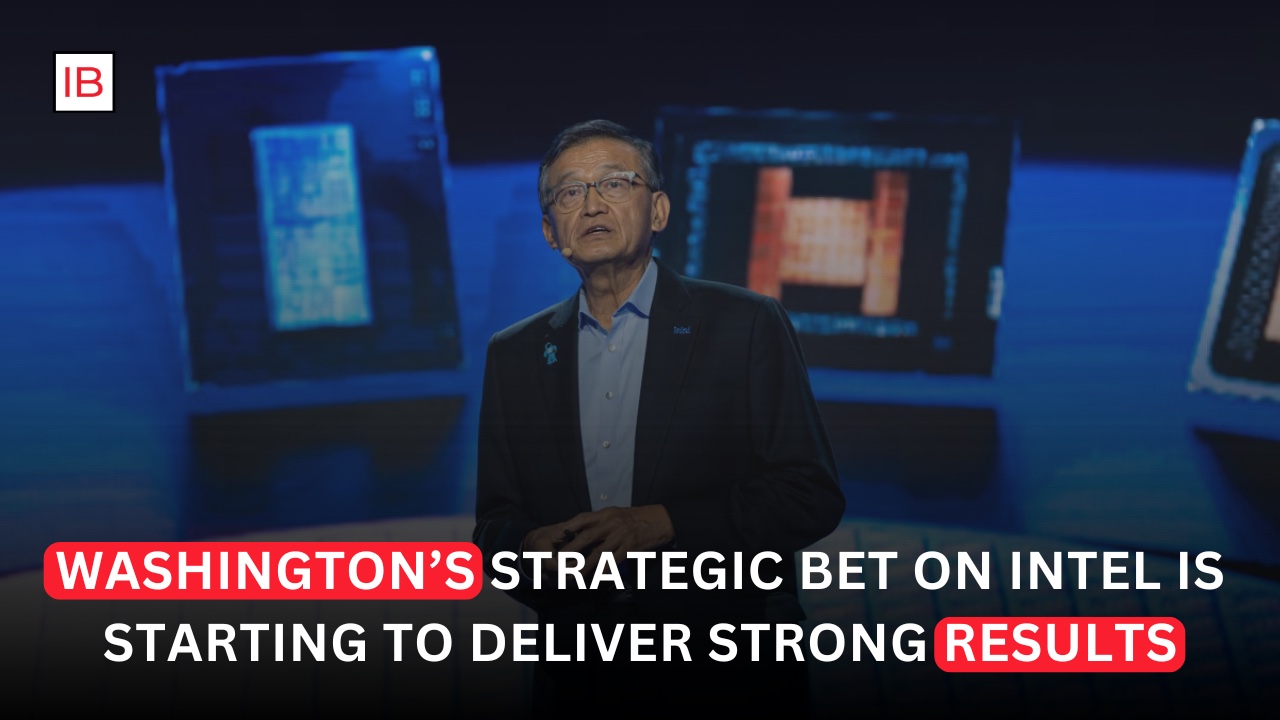
Intel is showing encouraging signs of recovery after years of financial challenges, suggesting that Washington’s investment in the U.S. chipmaker is beginning to deliver results. Backed by substantial government support and renewed demand driven by artificial intelligence, Intel has strengthened its position in the semiconductor industry while advancing its long-term turnaround strategy.
The company’s recent progress reflects a combination of federal investment, new customer partnerships, cost-cutting measures, and growing demand for advanced semiconductor manufacturing. While challenges remain, investors are increasingly optimistic that Intel can regain its competitive edge in the global chip market.
U.S. Government Backing Strengthens Intel
Intel has become a centerpiece of the United States’ efforts to expand domestic semiconductor manufacturing and reduce reliance on overseas chip production.
Government support has included financial investments and policies designed to strengthen America’s semiconductor supply chain while encouraging advanced chip production within the country.
The broader strategy aims to:
- Expand domestic chip manufacturing
- Improve supply chain resilience
- Reduce dependence on foreign producers
- Support national security
- Strengthen U.S. technology leadership
These initiatives have provided Intel with additional financial flexibility as it executes its turnaround plan.
New Leadership Drives Operational Changes
Since taking over as CEO, Lip-Bu Tan has implemented a series of restructuring measures designed to improve Intel’s financial performance and operational efficiency.
The company has focused on:
- Reducing operating costs
- Attracting new foundry customers
- Expanding advanced chip packaging
- Improving manufacturing efficiency
- Prioritizing profitable business segments
These efforts have helped restore investor confidence while positioning Intel to compete more effectively in high-growth semiconductor markets.
AI Boom Creates New Opportunities
The rapid expansion of artificial intelligence has increased demand for advanced chips used in AI servers, cloud computing, and data centers.
Intel is seeking to capitalize on this trend by expanding both its processor business and semiconductor manufacturing services.
Growing investment in AI infrastructure continues to support demand for:
- AI processors
- Data center chips
- Advanced semiconductor packaging
- Cloud computing hardware
- Enterprise computing solutions
The AI-driven technology boom has created fresh opportunities for semiconductor manufacturers capable of producing advanced chips at scale.
Strategic Partnerships Boost Confidence
Intel has also benefited from new partnerships with major technology companies seeking greater domestic manufacturing capacity.
According to recent reports, companies including Apple, Nvidia, and other large technology firms have expanded or explored partnerships with Intel as part of broader efforts to strengthen U.S.-based semiconductor production.
These collaborations could help increase factory utilization while supporting Intel’s growing foundry business.
What Is a Semiconductor Foundry?
A semiconductor foundry manufactures chips designed by other companies.
Rather than producing only its own processors, foundries provide manufacturing services to external customers that design semiconductors but do not own fabrication facilities.
Foundry customers may include companies developing:
- AI chips
- Smartphone processors
- Automotive semiconductors
- Data center processors
- Networking equipment
Intel has made expanding its foundry business one of its primary long-term growth strategies.
Challenges Still Remain
Despite recent improvements, Intel continues to face several challenges.
Among the key risks are:
- Intense competition from global chipmakers
- Execution risks in expanding foundry operations
- High capital investment requirements
- Rapid technological innovation
- Cyclical demand in semiconductor markets
Analysts note that while Intel has made meaningful progress, sustaining long-term profitability will depend on successfully executing its manufacturing strategy and winning additional customers.
Looking Ahead
Intel’s recent progress suggests that Washington’s significant investment in rebuilding the company’s manufacturing capabilities is beginning to produce tangible results. Stronger demand fueled by artificial intelligence, improved operational execution, and expanding partnerships have helped restore confidence in the company’s turnaround strategy.
Although Intel still faces significant competitive challenges, its improving financial outlook and growing role in the U.S. semiconductor ecosystem position the company as a key player in the next phase of global AI and chip industry growth.