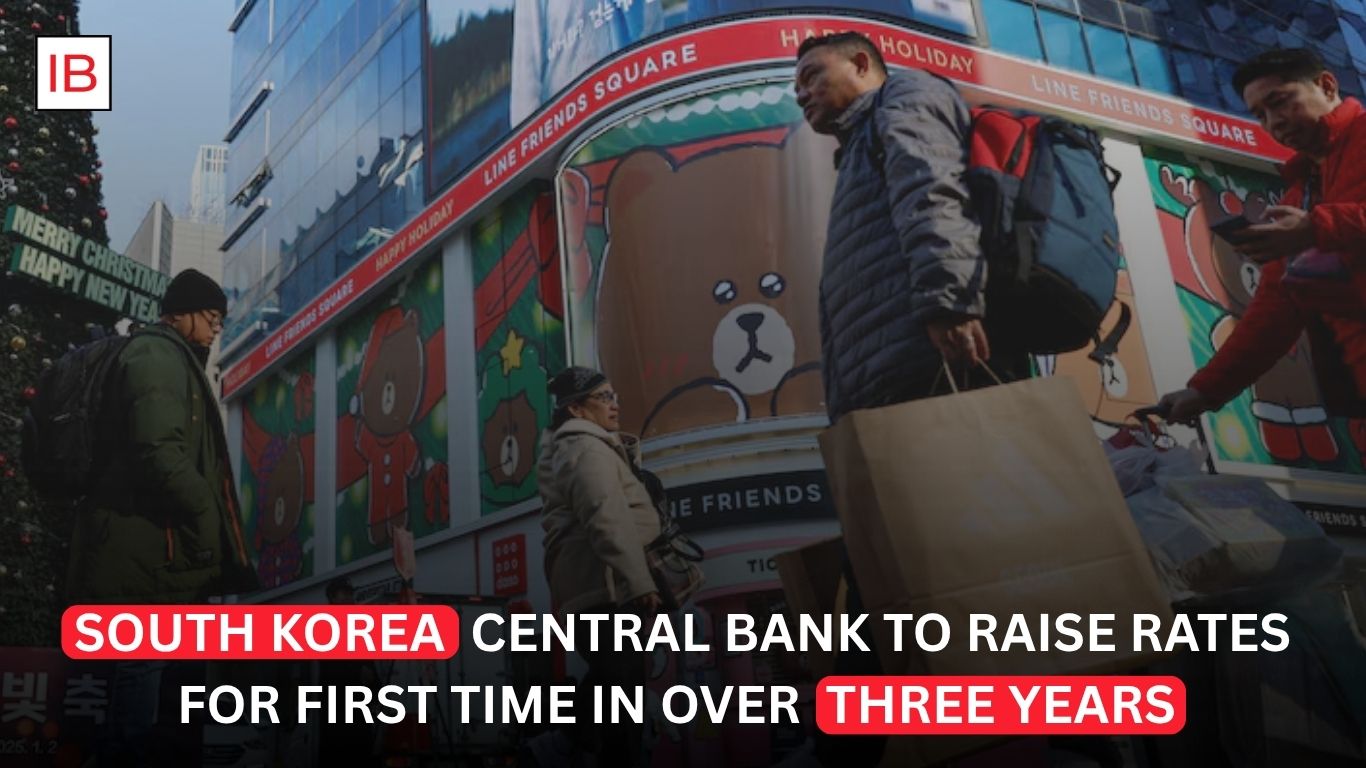
The Bank of Korea (BOK) is widely expected to raise interest rates on July 16, marking its first rate increase in more than three years as policymakers respond to rising inflationary pressures, a recovering economy, and growing concerns over household debt and the housing market.
Economists surveyed by Reuters expect the central bank to lift its benchmark policy rate after maintaining an accommodative stance for several years.
First Rate Hike Since 2023 Expected
If approved, the move would signal a significant shift in South Korea’s monetary policy.
The expected rate increase reflects concerns over:
- Rising inflation
- Stronger economic growth
- Household debt levels
- Housing market activity
- Financial stability
The decision would end more than three years without an increase in borrowing costs.
Inflation Remains a Key Concern
The Bank of Korea has been monitoring persistent inflation despite signs of moderation in some sectors.
Factors contributing to price pressures include:
- Higher energy costs
- Food prices
- Strong domestic demand
- Wage growth
- Global commodity prices
Officials are seeking to prevent inflation from becoming entrenched while supporting sustainable economic growth.
Housing and Household Debt in Focus
South Korea’s property market and rising household debt remain major concerns for policymakers.
Higher interest rates could help:
- Slow excessive borrowing
- Cool housing demand
- Improve financial stability
- Reduce credit risks
- Contain asset price inflation
The central bank has repeatedly warned that elevated household debt poses long-term economic risks.
Markets Prepare for Policy Shift
Investors are closely watching the upcoming monetary policy meeting for guidance on future rate decisions.
Financial markets are monitoring:
- Interest rate projections
- Inflation forecasts
- Economic growth outlook
- Currency movements
- Central bank commentary
Any indication of additional rate hikes could influence bond yields and the Korean won.
Economic Growth Supports Tightening
South Korea’s economy has shown resilience, supported by improving exports and continued demand for technology products.
Growth drivers include:
- Semiconductor exports
- Artificial intelligence investment
- Manufacturing recovery
- Consumer spending
- Business investment
The stronger economic backdrop has given policymakers greater confidence to begin normalizing monetary policy.
Global Central Banks Remain Vigilant
The Bank of Korea joins several central banks that continue balancing inflation control with economic growth.
Policymakers around the world remain focused on:
- Price stability
- Interest rate policy
- Financial market conditions
- Labor market strength
- Global economic uncertainty
South Korea’s decision will be closely watched across Asian financial markets.
Looking Ahead
The Bank of Korea is expected to deliver its first interest rate increase in more than three years as inflation, household debt, and financial stability concerns move back into focus. While South Korea’s economy continues to benefit from improving exports and AI-driven technology demand, policymakers are seeking to ensure that growth remains sustainable without fueling further inflation or financial imbalances.
The central bank’s decision and accompanying policy guidance are likely to shape market expectations for the remainder of the year and provide important signals for investors across the Asia-Pacific region.