President Uses Annual Media Event to Attack Journalists, Defend Administration and Reignite Longstanding Feud With Press
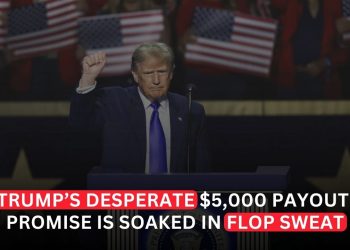
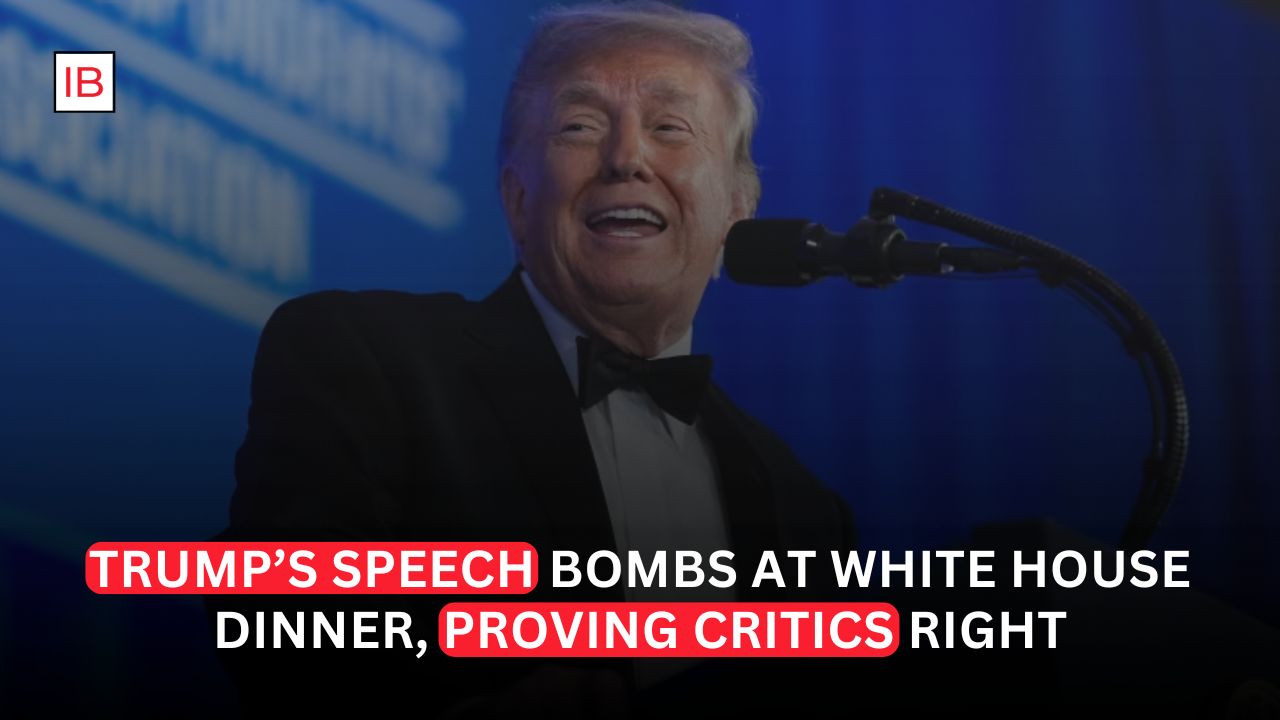
President Donald Trump returned to the White House Correspondents’ Association (WHCA) Dinner with a lengthy and confrontational speech that reignited his long-running battle with the American news media. Speaking before an audience of journalists, editors, television anchors, and political leaders, Trump mixed humor with sharp criticism, using the occasion to defend his administration while mocking several news organizations and prominent reporters.
The annual dinner, traditionally intended to celebrate the role of a free press and strengthen ties between journalists and government officials, unfolded under unusually tight security. The event had originally been scheduled for April but was postponed after an armed attack near the venue forced the evacuation of attendees, including the president. Its eventual return carried a more subdued atmosphere, although Trump’s speech quickly shifted the focus back to politics and his contentious relationship with the media.
President Targets News Organizations
Throughout his address, Trump repeatedly criticized major news outlets that have frequently scrutinized his administration.
Among the themes of his remarks were:
- Accusations of biased reporting.
- Criticism of television networks.
- Mockery of political commentators.
- Defense of his administration’s policies.
- Claims that media organizations rely heavily on coverage of his presidency.
Trump argued that many journalists have consistently portrayed his administration unfairly while dismissing negative coverage as politically motivated. His comments reflected a relationship with the press that has remained strained throughout both of his presidential terms.
Jokes Mixed With Political Messages
The president blended political messaging with jokes directed at journalists, political rivals, celebrities, and even members of his own administration.
Among the topics he touched on were:
- Media coverage of his presidency.
- His relationship with television networks.
- Ongoing political investigations.
- The 2026 election cycle.
- Speculation about future political ambitions.
At several points, Trump joked about seeking another presidential term, prompting mixed reactions from the audience. While supporters laughed at many of his remarks, several jokes received only limited applause inside the ballroom.
Correspondents Defend Press Freedom
Despite the president’s criticism, White House Correspondents’ Association leaders used the event to emphasize the importance of independent journalism and the First Amendment.
Organizers highlighted:
- Protection of press freedom.
- Independent political reporting.
- Accountability in government.
- The role of journalists during national crises.
Awards were presented recognizing outstanding journalism and honoring individuals who demonstrated courage during the April security incident that forced the original dinner to be canceled. The evening also paid tribute to law enforcement personnel who responded to the attack and protected attendees.
Security Overshadows Celebration
Although the dinner retained many of its traditional elements, the memory of the April attack remained visible throughout the evening.
Enhanced security measures included:
- Increased Secret Service presence.
- Expanded police protection.
- Additional security screening.
- Restricted access to the venue.
The strengthened security reflected ongoing concerns about threats against public officials and journalists, adding a more serious tone to an event normally associated with humor and bipartisan interaction.
Trump and the Media Remain at Odds
Trump has maintained an often adversarial relationship with many news organizations for years.
His administration has frequently challenged media reporting through:
- Public criticism.
- Legal disputes.
- Press access disagreements.
- Accusations of political bias.
Journalists, meanwhile, argue that independent reporting remains essential to government accountability regardless of political pressure. The White House Correspondents’ Dinner has increasingly become a symbol of that ongoing tension between elected officials and the press.
Looking Ahead
President Trump’s appearance at the rescheduled White House Correspondents’ Dinner demonstrated that relations between the White House and the media remain deeply divided. Rather than serving primarily as a celebration of journalism, the evening once again became a platform for political confrontation, highlighting disagreements over media coverage, government accountability, and public trust.
While the event honored journalists and security personnel following the earlier attack, Trump’s speech ensured that debates over press freedom and political rhetoric remained at the center of national attention. As the United States moves closer to another election cycle, the often-contentious relationship between the administration and the press is expected to remain a defining feature of American political life.