Maritime Bottlenecks Continue to Threaten Global Energy Supplies Despite Recent Market Pullback
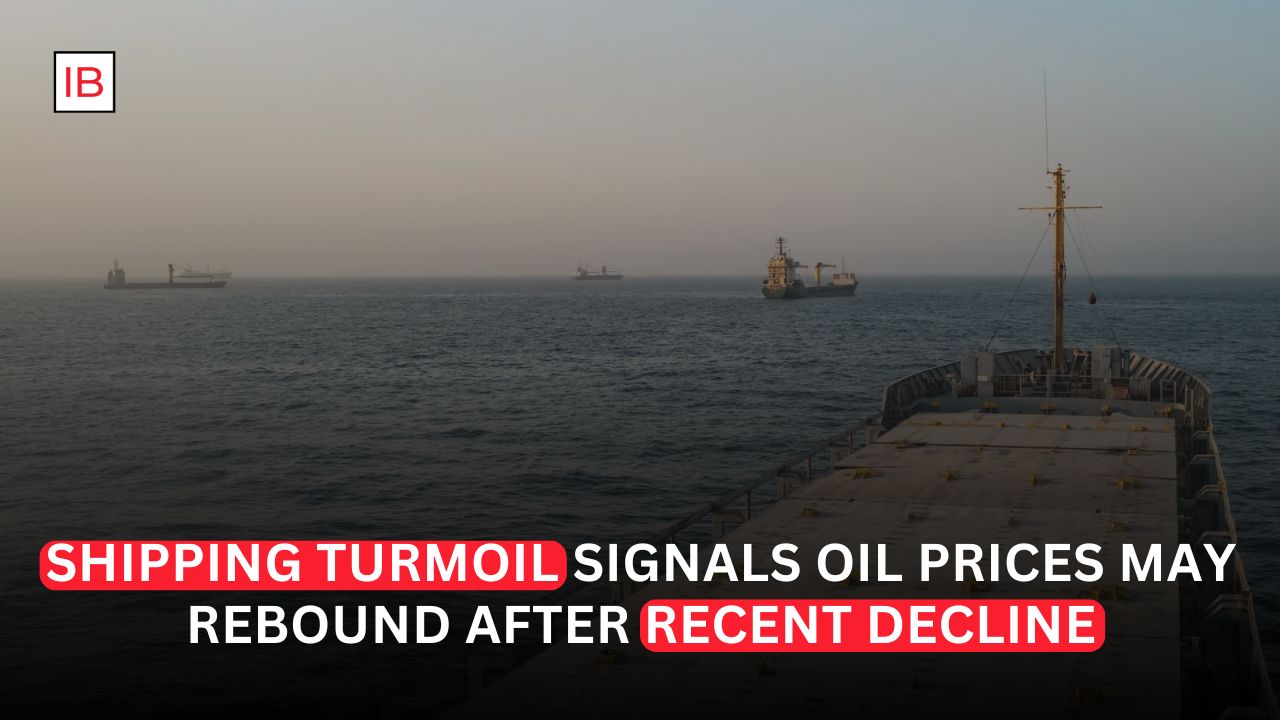
Oil prices have retreated after recent geopolitical tensions eased, but disruptions across global shipping routes suggest the decline may not last for long. While markets reacted positively to signs of reduced military activity between the United States and Iran, analysts warn that serious problems affecting maritime trade remain unresolved. Tanker traffic through several of the world’s most important energy corridors continues to face delays, higher insurance costs, and security risks, leaving global oil markets vulnerable to another price surge if conditions deteriorate again.
The recent fall in crude prices reflects optimism that diplomatic efforts could prevent a wider regional conflict. However, shipping companies, energy traders, and market analysts caution that physical supply chains have not yet returned to normal. Until commercial vessels can move safely through critical waterways, oil prices are likely to remain highly sensitive to any new disruption.
Shipping Routes Remain Under Pressure
Even after the easing of military tensions, shipping companies continue facing significant operational challenges.
Major concerns include:
- Continued security threats in the Red Sea.
- Higher insurance premiums for tankers.
- Longer shipping routes.
- Delayed cargo deliveries.
- Increased transportation costs.
Many shipping operators remain cautious about returning vessels to routes they consider unsafe. Instead, some continue diverting ships around the Cape of Good Hope, adding thousands of miles to voyages between Asia, Europe, and the Middle East.
Red Sea Still Creates Uncertainty
One of the biggest concerns remains the Bab al-Mandeb Strait, where attacks on commercial vessels have disrupted global shipping.
The route serves as a critical connection between:
- The Red Sea.
- The Suez Canal.
- European markets.
- Middle Eastern oil exporters.
- Asian energy importers.
Analysts estimate that around 4% of global oil supplies remain exposed to disruption because of continuing instability in the region. Financial institutions warn that every additional month of shipping uncertainty could place renewed upward pressure on crude prices.
Strait of Hormuz Remains a Key Risk
Although immediate fears have eased, the Strait of Hormuz continues to represent one of the world’s most important geopolitical risks.
Nearly one-fifth of global oil and liquefied natural gas trade normally passes through the narrow waterway connecting the Persian Gulf with international markets.
Any renewed confrontation affecting Hormuz could quickly reduce available supplies and send oil prices sharply higher. Shipping companies continue monitoring the situation closely before restoring normal traffic patterns.
Oil Prices React Quickly to Headlines
Energy markets have demonstrated how rapidly prices respond to geopolitical developments.
Recent weeks have seen:
- Brent crude rise above $100 per barrel during heightened tensions.
- Prices fall sharply after diplomatic signals emerged.
- Continued day-to-day volatility driven by shipping developments.
Market participants increasingly believe that physical transportation conditions—not simply political announcements—will determine whether the recent decline in oil prices proves sustainable.
Shipping Recovery May Take Time
Industry experts note that restoring confidence among shipping companies will require more than temporary pauses in military activity.
Before normal operations resume, operators want evidence that:
- Commercial vessels can travel safely.
- Insurance costs stabilize.
- Military risks decline.
- Trade routes remain consistently open.
- Port operations return to normal.
Until those conditions improve, many tanker operators are expected to continue taking longer, more expensive routes.
Higher Transport Costs Affect Energy Markets
Longer shipping distances increase transportation expenses throughout the energy supply chain.
Additional costs include:
- Fuel consumption.
- Crew expenses.
- Insurance.
- Charter rates.
- Delivery delays.
These higher costs can eventually support oil prices even when crude production remains stable because transportation itself becomes more expensive.
Global Economy Watches Closely
Governments and central banks are monitoring oil markets carefully because sustained increases in energy prices could contribute to:
- Higher inflation.
- Increased transportation costs.
- Rising manufacturing expenses.
- Slower economic growth.
- More expensive consumer goods.
For oil-importing countries, prolonged shipping disruptions could complicate efforts to control inflation while maintaining economic growth.
Looking Ahead
Although oil prices have retreated following signs of reduced military tensions, shipping conditions indicate that energy markets remain vulnerable. Tanker traffic has not fully normalized, security concerns continue affecting major maritime routes, and shipping companies remain cautious about returning to the region. These unresolved logistical challenges suggest that the recent decline in crude prices could prove temporary if transportation disruptions persist or geopolitical risks escalate again.
For investors, policymakers, and energy companies, attention is increasingly shifting from military headlines to the practical realities of global shipping. Until key waterways such as the Red Sea and the Strait of Hormuz operate without disruption, oil markets are likely to remain volatile. Even if diplomacy reduces immediate conflict risks, constrained shipping capacity and elevated transportation costs may continue supporting higher energy prices in the months ahead, reminding markets that physical supply chains remain just as important as political developments.