Major central banks around the world are largely holding interest rates steady this summer, even as internal divisions deepen over whether current policy is doing enough to tame inflation that has remained stubbornly above target for years in some of the world’s largest economies.
A Divided Federal Reserve
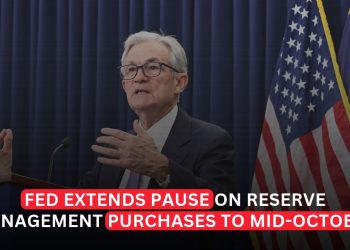
The most closely watched decision came from the U.S. Federal Reserve, which voted 9-3 on July 29 to hold its benchmark federal funds rate steady in a range of 3.5% to 3.75%. Dallas Fed President Lorie Logan, Cleveland Fed President Beth Hammack, and Minneapolis Fed President Neel Kashkari all dissented in favor of raising rates by a quarter point, marking the first time since September 2016 that three Fed officials have dissented in the same direction.
The dissent presented an early test for Fed Chairman Kevin Warsh, who has held the role for less than nine weeks and has deliberately moved away from giving markets clear forward guidance. “I asked for a good family fight, and I got one. That’s the designed feature,” Warsh told reporters, pushing back on the idea that the divided vote reflected instability rather than intentional debate. He emphasized the Fed has “no tolerance for persistently elevated inflation” and stressed that more than five years of above-target inflation could not be resolved in weeks. Markets reacted sharply, with the Dow sinking more than 1,100 points and the 30-year Treasury yield climbing to its highest level since 2007 as investors worried the Fed might not be moving aggressively enough.
Europe and Asia Largely Stay the Course
Across the Atlantic, the European Central Bank held its deposit rate steady at 2% for a fifth consecutive meeting, judging that recent global tensions and a stronger euro haven’t meaningfully thrown the eurozone economy off course. Analysts broadly expect the ECB to keep rates unchanged through the end of next year. The Bank of England similarly held its rate steady, while the Bank of Japan has been expected to maintain its policy rate around 1%, continuing a cautious approach even as some G10 peers have moved differently.
Not every major central bank has stood still this year. The Reserve Bank of Australia raised rates three times in 2026 to reach 4.35%, the highest policy rate among G10 developed economies, fully reversing the previous year’s cuts. The Bank of Canada, by contrast, has left its key rate unchanged for six consecutive meetings following an aggressive easing cycle that brought borrowing costs down to 2.25% by late 2025, with its future path hinging largely on energy prices and trade relations with the United States.
What’s Driving the Global Caution
Much of this year’s central banking caution traces back to the economic shocks generated by the ongoing conflict tied to Iran, which pushed oil and energy prices sharply higher earlier in the year and tested central bankers’ traditional playbook of looking past temporary commodity-driven inflation spikes. Notably, the ECB, Bank of Japan, and Reserve Bank of Australia all chose to raise rates in response to those shocks, while the Federal Reserve, People’s Bank of China, Reserve Bank of India, Bank of Canada, and Bank of England instead opted to hold steady and see how events played out. With oil prices having eased back toward pre-war levels amid a fragile calming of hostilities, that more patient approach appears to be paying off for the banks that chose it, and top-line inflation is broadly expected to ease going forward.
Growth Signals Remain Mixed
Even as inflation concerns persist, growth data across major economies has shown some encouraging signs. Eurozone data showed the currency bloc’s economy grew faster than expected last quarter, with surging investment tied to AI infrastructure and ample government spending helping offset the drag from elevated energy costs. That relatively resilient growth picture gives central banks additional room to maintain their current, largely steady-as-she-goes policy stance rather than feeling pressured into more dramatic moves in either direction.
What Comes Next
With the Fed signaling it will hold rates steady at least until September, when policymakers will have the benefit of fresh July and August inflation data, and with other major central banks similarly opting for patience over decisive action, the coming months are likely to be defined by incremental adjustments rather than sweeping policy shifts. Whether persistent inflation above target eventually forces more aggressive action, or whether the current wait-and-see approach proves sufficient to guide major economies back toward price stability, remains one of the central questions shaping global markets heading into the fall.