Weather Extremes, Geopolitical Tensions, and Export Disruptions Push Food Costs Higher Worldwide
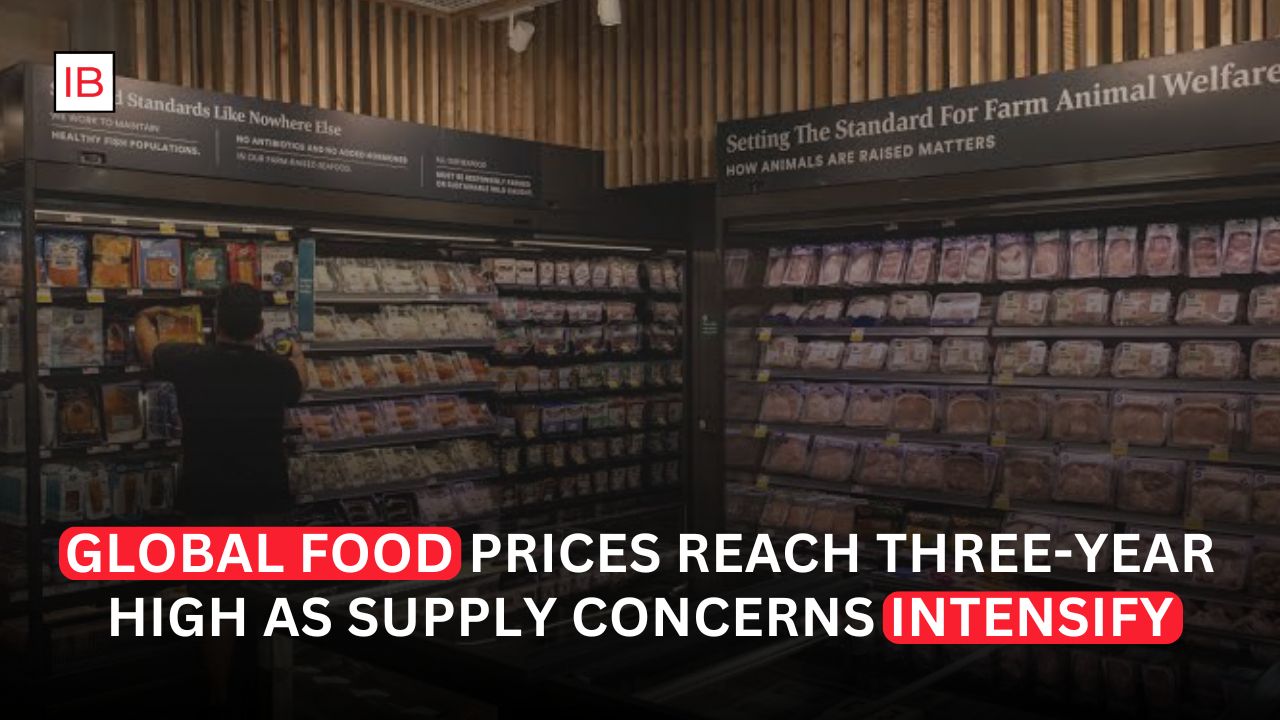
Global food prices have climbed to their highest level in more than three years, driven by worsening supply concerns across several major agricultural regions. According to the latest data from the United Nations Food and Agriculture Organization (FAO), adverse weather conditions, geopolitical tensions, and growing uncertainty surrounding key grain export routes combined to push the global food price index higher during July, raising fresh concerns about inflation, food security, and agricultural supply chains.
The renewed rise in food prices comes after months of mounting pressure on agricultural markets. Heatwaves across Europe, drought conditions affecting several important crop-producing regions, and ongoing disruptions to grain shipments have tightened supplies of wheat, maize, vegetable oils, and sugar. At the same time, fertilizer costs remain elevated following earlier disruptions to global energy markets, increasing production expenses for farmers worldwide. Analysts warn that unless weather conditions improve and supply chains stabilize, food prices could remain under upward pressure for the remainder of the year, affecting consumers, businesses, and governments across both developed and emerging economies.
FAO Food Price Index Reaches Highest Level Since 2023
The FAO Food Price Index, one of the world’s most widely followed measures of international food commodity prices, rose again during July.
The increase pushed the index to its strongest level in more than three years, reflecting higher prices across several key agricultural products.
Price gains were particularly noticeable in:
- Wheat.
- Corn (maize).
- Sugar.
- Vegetable oils.
Although dairy and meat prices remained relatively stable in comparison, rising grain costs contributed significantly to the overall increase in global food prices.
Extreme Weather Reduces Crop Production
One of the biggest drivers behind the recent price surge has been unusually severe weather affecting agricultural production.
Several major producing regions have experienced:
- Prolonged drought.
- Record-breaking heatwaves.
- Reduced soil moisture.
- Lower crop yields.
European farmers have struggled with persistent dry conditions, while heat stress has affected crops across multiple regions, limiting production expectations for the current harvest season.
Scientists increasingly warn that climate change is making these extreme weather events more frequent, increasing long-term risks for global agricultural production.
Grain Export Concerns Return
Geopolitical uncertainty has added further pressure to global grain markets.
Concerns continue surrounding major export corridors serving international grain trade.
Disruptions affecting shipping routes have increased uncertainty regarding the availability of wheat and other staple crops for importing countries.
When uncertainty increases around export flows, commodity markets often react by pricing in potential shortages, pushing futures prices higher even before actual supply reductions occur.
Fertilizer Costs Continue Affecting Agriculture
Agricultural production costs remain elevated partly because fertilizer prices continue reflecting earlier disruptions to global energy markets.
Higher fertilizer costs increase production expenses for:
- Wheat.
- Corn.
- Rice.
- Oilseed crops.
Farmers facing higher input costs may reduce fertilizer usage, potentially lowering yields and tightening future food supplies even further.
Analysts note that fertilizer availability remains an important factor influencing global food prices.
Developing Economies Face Greater Pressure
Higher food prices generally affect lower-income countries more severely.
Many developing economies spend a larger share of household income on food, making consumers especially vulnerable to rising prices.
Governments may face additional pressure to:
- Increase food subsidies.
- Expand social assistance.
- Stabilize domestic food markets.
- Support agricultural production.
International organizations continue monitoring food affordability because sustained price increases can contribute to greater food insecurity.
Commodity Markets React
Agricultural commodity markets have experienced increased volatility as traders assess weather forecasts and geopolitical developments.
Investors continue to closely watch:
- Rainfall forecasts.
- Harvest conditions.
- Export policies.
- Shipping disruptions.
Even relatively small changes in expected crop production can produce noticeable price movements because global food inventories remain relatively tight.
Climate Risks Become Increasingly Important
Climate conditions are playing an increasingly important role in agricultural markets.
Higher temperatures, droughts, floods, and changing rainfall patterns continue to affect crop yields in multiple producing regions.
Agricultural economists expect climate-related supply risks to remain an important factor influencing food markets over the coming years, increasing the importance of resilient farming practices and improved food supply management.
Governments Monitor Inflation Risks
Rising food prices also present challenges for central banks and policymakers.
Higher food costs contribute directly to:
- Consumer inflation.
- Household spending pressure.
- Economic uncertainty.
Many governments continue balancing efforts to control inflation while supporting economic growth, particularly as food remains one of the most essential household expenses.
Looking Ahead
The latest increase in global food prices highlights how weather extremes, geopolitical tensions, and fragile agricultural supply chains continue influencing international commodity markets. The FAO’s latest data suggests that tighter grain supplies, elevated fertilizer costs, and uncertainty surrounding export routes have combined to push food prices to their highest level in more than three years. Although markets remain highly sensitive to future weather conditions and harvest results, continued supply disruptions could keep agricultural prices elevated in the months ahead.
Looking forward, much will depend on harvest outcomes across major producing regions, improvements in weather conditions, and the stability of global trade routes. Governments, food producers, and international organizations are expected to continue closely monitoring supply conditions as they seek to manage inflationary pressures while protecting global food security during an increasingly uncertain agricultural environment.