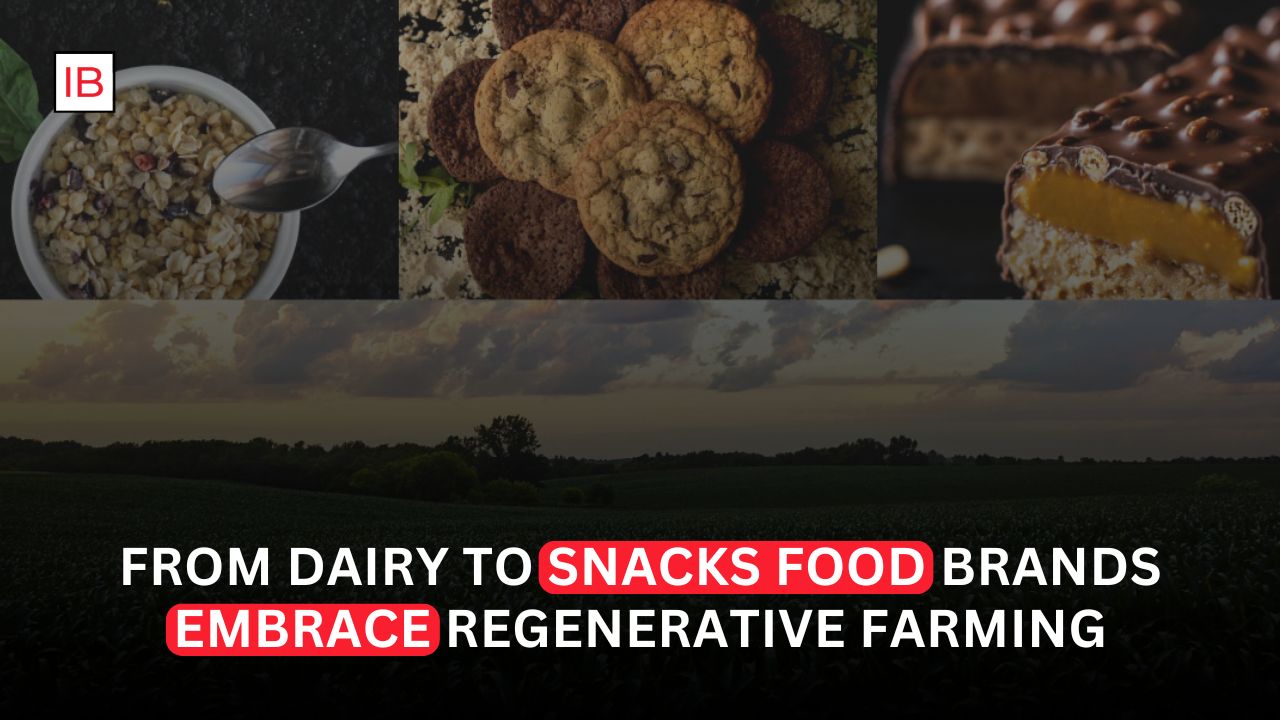
From supermarket shelves to corporate sustainability reports, regenerative agriculture is becoming one of the fastest-growing labels in the food industry as companies respond to consumer demand for environmentally responsible farming.
The term “regenerative agriculture” is appearing on an increasing number of food and beverage products as major brands seek to highlight their environmental commitments and strengthen their sustainability credentials. Once primarily associated with small-scale farming initiatives, regenerative agriculture has now become a mainstream strategy adopted by global food manufacturers, retailers, and agricultural businesses aiming to improve soil health, reduce carbon emissions, and build more resilient food supply chains.
The growing popularity of the label reflects changing consumer preferences. Shoppers are increasingly interested in understanding how their food is produced, with many willing to support products that promote environmental protection and sustainable farming practices. At the same time, investors and regulators are placing greater emphasis on climate-related disclosures, encouraging companies to demonstrate measurable progress toward sustainability goals.
What Is Regenerative Agriculture?
Unlike traditional farming methods that often focus on maximizing crop yields, regenerative agriculture emphasizes restoring and improving the health of agricultural ecosystems. Rather than simply reducing environmental damage, the approach aims to actively rebuild soil quality, increase biodiversity, improve water retention, and capture carbon from the atmosphere.
Common regenerative farming practices include reducing soil disturbance through minimal tillage, planting cover crops, rotating crops, integrating livestock into farming systems, and reducing reliance on synthetic fertilizers and pesticides. These techniques are intended to create healthier farmland while making crops more resilient to droughts, floods, and changing weather patterns.
Supporters argue that healthier soils not only improve agricultural productivity over the long term but also play an important role in addressing climate change by storing more carbon underground.
Why Food Companies Are Embracing the Label
Many of the world’s largest food companies have incorporated regenerative agriculture into their sustainability strategies. As climate change increasingly affects global food production, businesses are investing in farming practices designed to improve long-term supply chain resilience.
Companies also recognize that environmental claims have become an important factor influencing consumer purchasing decisions. Products marketed as being produced through regenerative farming often appeal to environmentally conscious shoppers seeking alternatives to conventionally produced food.
Industry groups have also begun developing shared frameworks to encourage wider adoption of regenerative practices across global supply chains. These initiatives aim to create greater consistency while helping farmers transition toward more sustainable production methods.
Consumer Demand Is Driving Growth
Growing public awareness of climate change has significantly increased demand for sustainably produced food. Consumers today are paying closer attention to product labels that highlight environmental responsibility, biodiversity protection, and reduced carbon footprints.
Research suggests many shoppers are willing to pay a premium for products they believe are produced using farming methods that benefit the environment. This trend has encouraged food manufacturers to expand regenerative product lines across categories ranging from grains and dairy products to snacks and beverages.
Retailers have also responded by giving greater shelf space to products carrying sustainability-focused certifications, further accelerating the visibility of regenerative agriculture in supermarkets.
The Definition Remains Unclear
Despite its growing popularity, regenerative agriculture does not have a universally accepted definition. Unlike organic certification, which follows clearly established standards, regenerative agriculture can refer to a broad range of farming practices depending on the organization using the term.
This lack of standardization has created confusion among consumers and raised concerns about inconsistent marketing claims. Environmental organizations have warned that without clear certification standards, some companies may use the label without making meaningful changes to farming practices.
In response, several independent certification programs have emerged to establish measurable standards for regenerative farming. These certifications evaluate factors such as soil health, biodiversity, animal welfare, and responsible land management.
Benefits for Farmers and the Environment
Advocates say regenerative agriculture offers benefits that extend beyond environmental protection. Healthier soils often improve water retention, reduce erosion, and increase resilience against extreme weather events, helping farmers manage growing climate risks.
Over time, improved soil quality may also reduce dependence on costly fertilizers and chemicals, potentially lowering production expenses while maintaining crop productivity.
Governments and investors are increasingly supporting regenerative farming through grants, sustainability funds, and carbon credit programs that reward farmers for adopting practices capable of storing additional carbon in agricultural soils.
However, transitioning to regenerative farming can require significant investment, technical expertise, and several years before measurable environmental benefits become fully visible.
Challenges to Wider Adoption
Although momentum continues building, regenerative agriculture still faces practical challenges. Farmers often require financial support during the transition period, while companies need reliable systems for measuring environmental outcomes and verifying sustainability claims.
Questions also remain about how regenerative agriculture should be defined, monitored, and certified across different climates, crops, and farming systems. Without internationally recognized standards, comparisons between products carrying regenerative claims can be difficult.
Industry experts believe stronger certification frameworks and better scientific measurement will be essential for maintaining consumer confidence as the market continues expanding.
Looking Ahead
The rapid rise of regenerative agriculture reflects a broader transformation within the global food industry as sustainability becomes a central business priority. Major food companies, retailers, investors, and governments increasingly view healthier farming systems as essential for addressing climate change, improving food security, and protecting natural resources.
While debate continues over how regenerative agriculture should be defined and regulated, its growing presence on product packaging signals a significant shift in how food companies communicate environmental responsibility. Clearer certification standards, stronger scientific evidence, and greater transparency will likely determine how the label evolves over the coming years.
As consumer demand for sustainable products continues to grow, regenerative agriculture is expected to remain one of the most influential trends shaping the future of global farming and food production. Companies that can demonstrate measurable environmental improvements are likely to gain a competitive advantage as sustainability becomes an increasingly important factor in purchasing decisions and investment strategies.