Tata Motors Passenger Vehicles reported a sharp decline in quarterly profit as weakness at its luxury Jaguar Land Rover business continued to weigh on the group. The results highlight a difficult transition period for JLR, where supply disruptions, geopolitical pressures, rising costs and weak luxury demand are colliding with an expensive new-product cycle.
Tata Motors Passenger Vehicles reported first-quarter consolidated net profit of 7.75 billion rupees ($81.2 million), an 80.3% decline from 39.24 billion rupees a year earlier. The result was hurt primarily by problems at Jaguar Land Rover, which accounts for roughly 80% of the company’s revenue.
The headline profit miss matters, but the bigger concern is whether JLR can restore margins while simultaneously funding a major product and technology overhaul.
JLR Is Still the Main Problem
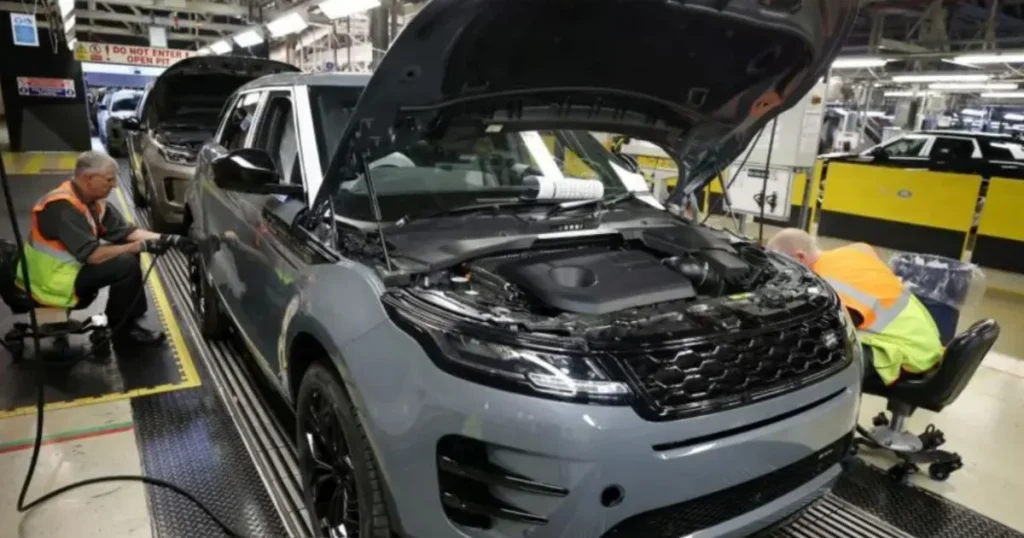
JLR remains the financial engine of Tata Motors Passenger Vehicles, which makes weakness in the luxury unit particularly painful.
During the quarter, JLR’s wholesale sales fell 9.2% year over year. Several factors contributed to the decline, including supply-chain disruptions following a fire at a major components supplier, disruptions related to the Middle East conflict and the planned wind-down of older Jaguar models.
That combination creates a difficult operating environment.
JLR needs to sell more vehicles to recover fixed costs, but supply problems restrict production. At the same time, some older models are being phased out while new products have yet to fully arrive.
In other words, the company is caught between product cycles.
Luxury Demand Is Becoming More Difficult
The broader luxury-car market is also facing pressure.
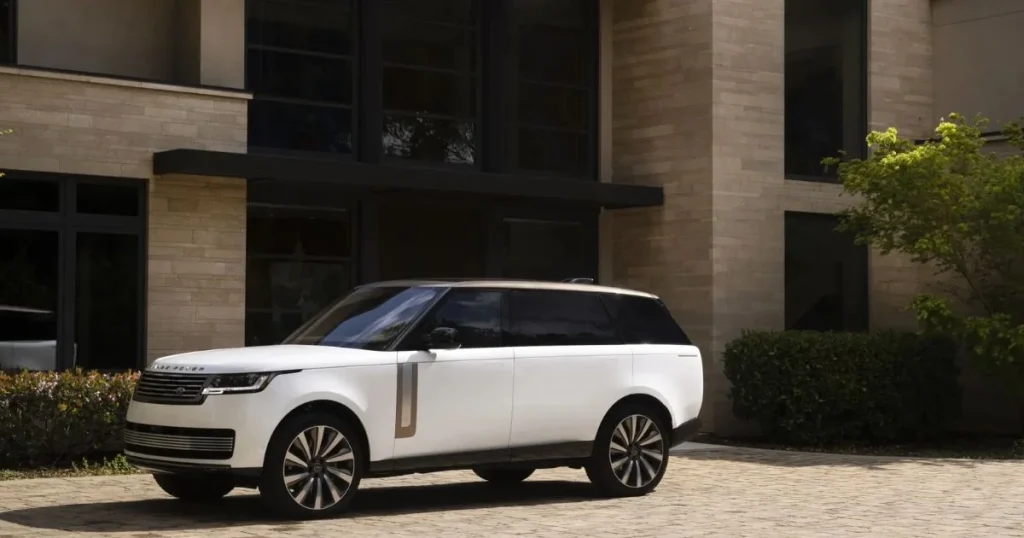
China has become particularly challenging for global premium automakers. Local electric-vehicle manufacturers have taken significant market share, while changes to luxury-vehicle taxation have added another layer of pressure.
Earlier industry analysis showed JLR’s China volumes falling sharply, with local new-energy brands taking an increasing share of the market.
This is more serious than a normal cyclical slowdown.
If Chinese consumers increasingly prefer domestic EV brands, traditional luxury manufacturers cannot simply wait for the economic cycle to improve.
They need competitive electric vehicles, faster product development and stronger digital technology.
Jaguar’s Transition Is Creating a Temporary Hole
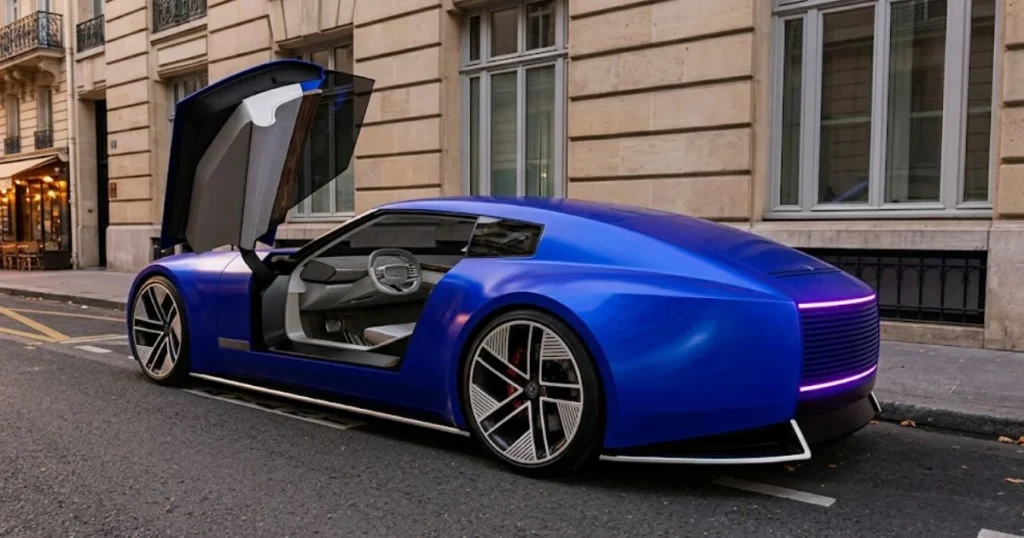
JLR is deliberately winding down older Jaguar models ahead of the brand’s next-generation lineup.
Strategically, this could make sense.
Jaguar is being repositioned as a much more exclusive, electric-focused luxury brand.
The problem is timing.
When old products disappear before the replacements reach customers, sales naturally fall.
That creates a temporary revenue hole.
The company therefore needs the new Jaguar lineup to succeed once it launches.
If the new models attract customers, today’s weakness could eventually look like a necessary transition.
If they do not, JLR will have sacrificed existing sales without creating a sufficiently strong replacement.
Range Rover and Defender Are the Safety Net
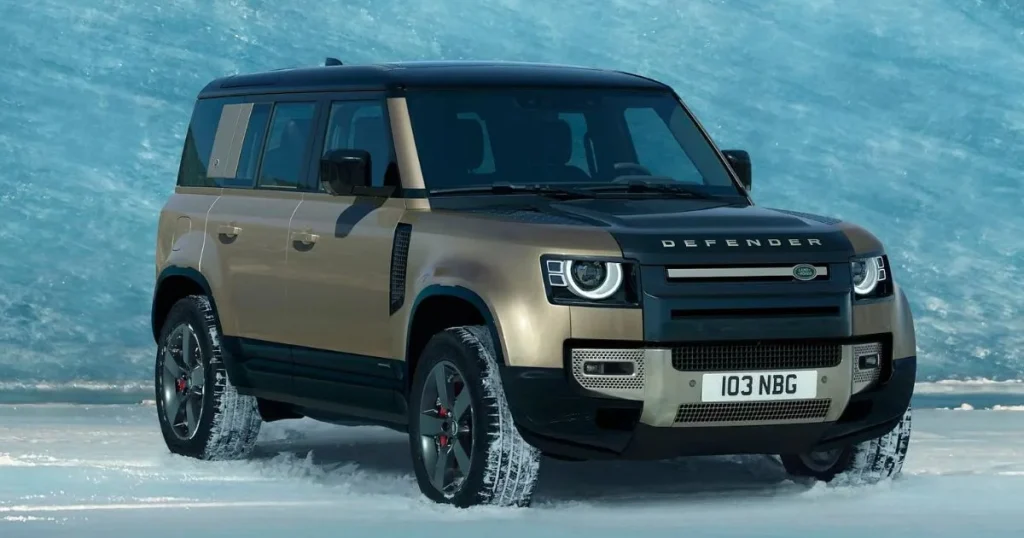
JLR has a significant advantage that many struggling automakers do not: Range Rover and Defender remain powerful global brands.
Those vehicles occupy premium segments where customers are less price-sensitive than mass-market buyers.
Management has indicated that underlying demand remains healthy for Range Rover and Range Rover Sport, while Defender continues to see strong order activity.
That provides JLR with a foundation while the company restructures Jaguar.
But it also creates concentration risk.
The stronger the company becomes dependent on its most expensive models, the more vulnerable it can become to changes in wealthy consumers’ spending patterns, tariffs and regional luxury taxes.
Margins Are Under Pressure
JLR’s problems are not limited to volumes.
Rising raw-material costs also squeezed profitability during the quarter.
Tata Motors Passenger Vehicles’ consolidated EBITDA margin fell 130 basis points to 7.4%.
That is important because JLR is entering a period requiring significant investment.
The company cannot afford permanently weak margins while simultaneously spending heavily on new vehicles, EV technology and manufacturing infrastructure.
The financial equation is straightforward:
Lower volumes + higher costs + heavy investment = greater pressure on cash flow.
India Is Providing Some Relief
There is an important counterpoint to the JLR weakness.
Tata’s domestic passenger-vehicle business performed strongly.
India’s passenger-vehicle segment grew 46% year over year for Tata Motors Passenger Vehicles during the quarter.
That gives the broader group a valuable source of growth while JLR works through its problems.
But investors should not confuse the two businesses.
Strong Indian passenger-vehicle growth cannot completely offset a prolonged deterioration at JLR because the luxury business remains disproportionately important to the company’s financial performance.
The domestic business is therefore a cushion, not a complete solution.
Supply-Chain Problems Are Particularly Painful
The fire at a major supplier highlights a vulnerability in the automotive industry.
Modern vehicles depend on thousands of components from highly specialized suppliers.
A single disruption can stop production even when demand remains healthy.
For a luxury manufacturer with relatively low volumes compared with mass-market automakers, the impact can be even more significant because production interruptions can quickly affect fixed-cost absorption.
JLR therefore needs to strengthen supply-chain resilience.
That may increase costs in the short term but could reduce the risk of another major production disruption.
The Company Is Spending Heavily on the Future
JLR is not simply trying to survive the current downturn.
It is simultaneously investing in a major transformation.
The company has previously outlined plans to invest around £18 billion in future technologies, vehicle platforms and transformation through fiscal 2029.
That includes new EV platforms and products across Range Rover, Defender and Jaguar.
This investment could eventually strengthen JLR’s competitive position.
But it raises the stakes.
The company needs the new products to generate strong returns because shareholders are effectively funding the transition while current profitability is under pressure.
Electric Vehicles Are the Critical Test
JLR has historically been stronger in premium SUVs and luxury combustion vehicles than in mass-market EVs.
That is changing.
The company is preparing new electric models, including the Range Rover Electric and next-generation Jaguar EV products.
The timing is crucial.
Chinese manufacturers have moved quickly in EV development, creating intense competitive pressure.
JLR therefore needs to produce EVs that justify premium pricing rather than simply entering the market with expensive alternatives to existing products.
The company has an advantage in brand recognition.
But brand recognition alone will not overcome inferior technology.
China Could Remain the Biggest Structural Risk
China deserves particular attention.
The country’s luxury market is undergoing a fundamental shift.
Domestic EV manufacturers have improved rapidly, while consumers increasingly have access to high-end vehicles from Chinese brands.
JLR has responded by carefully managing dealer inventories and focusing on profitable imported models.
That is sensible in the short term.
But it also means the company cannot simply chase sales volume in China through discounts.
That would protect volumes at the expense of margins.
The better strategy is to protect the premium positioning of Range Rover and Defender while developing products that appeal to China’s increasingly sophisticated EV consumers.
Tariffs Add Another Problem
Global trade policy is another source of uncertainty.
JLR has faced tariff-related pressure in the US, while currency movements have also affected its economics.
The company has raised prices in the US to account for tariff costs, but competitive pressure can make it difficult to pass the entire increase on to customers.
This creates a difficult choice.
Raise prices and risk losing volume.
Absorb the tariffs and sacrifice margin.
Neither option is ideal.
JLR’s Scale Is a Disadvantage
Another issue that deserves more attention is scale.
JLR is much smaller than global giants such as BMW, Mercedes-Benz and Toyota.
That means it has less ability to spread enormous R&D and technology costs across millions of vehicles.
The company therefore needs to generate high margins from relatively low volumes.
That is why Range Rover and Defender are so important.
Premium pricing is not merely a branding exercise for JLR.
It is necessary to support the economics of the business.
The New Product Cycle Could Change the Story
The most important potential catalyst is the upcoming product pipeline.
If the new Range Rover and Jaguar models are successful, JLR could move from a defensive period into a growth phase.
A successful product cycle could:
- Increase volumes
- Improve margins
- Strengthen brand perception
- Increase EV competitiveness
- Improve cash flow
- Support higher investment returns
But there is no guarantee.
The automotive industry has become brutally competitive.
Customers have more choices than ever, particularly in EVs.
Investors Should Watch Cash Flow
Profit is only part of the picture.
JLR’s heavy investment requirements mean free cash flow deserves close attention.
Earlier results showed JLR experiencing substantial cash-flow pressure as lower volumes, inventory and supplier-related payments affected working capital.
If JLR continues generating weak or negative free cash flow, Tata Motors may face difficult capital-allocation decisions.
The company will have to balance investment in future products against the need to maintain financial flexibility.
What Could Turn the Situation Around?
There are several potential catalysts.
New Jaguar models: A successful relaunch could restore a major source of revenue.
Range Rover EV: A competitive electric luxury SUV could strengthen JLR’s position in the premium EV market.
Defender growth: Continued demand for Defender can support margins while Jaguar transitions.
Supply-chain normalization: Reduced disruptions could allow wholesale volumes to recover.
China stabilization: Even modest improvement in Chinese luxury demand would help.
Cost reduction: Lower material and operating costs could restore margins.
But Investors Shouldn’t Ignore the Risks
The opposite scenario is also possible.
Chinese competition could continue taking market share.
Luxury demand could remain weak.
New EVs could require heavy discounts.
Tariffs could remain elevated.
Supply-chain disruptions could recur.
And JLR could spend heavily on new products without generating sufficient returns.
The company’s investment cycle therefore represents both its biggest opportunity and its biggest financial risk.
The Bigger Picture
Tata Motors Passenger Vehicles’ latest results demonstrate how heavily the group remains tied to the performance of Jaguar Land Rover.
The 80% decline in quarterly profit is not simply an accounting disappointment. It reflects a deeper challenge at JLR: the company is trying to maintain premium pricing and brand positioning while dealing with weaker luxury demand, disrupted supply chains, geopolitical uncertainty and an expensive transition toward new products and EVs.
There are reasons for optimism.
Range Rover and Defender remain valuable brands.
India’s domestic passenger-vehicle business is growing rapidly.
And JLR has a substantial pipeline of new products.
But the turnaround will take execution, not just investment.
The central question is whether JLR can use its strong brands to generate sufficiently high margins to finance the next generation of vehicles.
If the new products succeed, the current profit weakness could eventually be viewed as the trough of a major transformation.
If they fail, Tata Motors could face a much more difficult problem: financing an expensive luxury-car business whose traditional markets are becoming increasingly competitive.
For now, the numbers point to a company still in transition — and investors will need to look beyond the quarterly profit figure to see whether JLR’s next product cycle can finally deliver the returns its parent company needs.