99 Former Combatants Face an Uncertain Future
Nearly 100 former members of Colombia’s Comandos de la Frontera are waiting to learn whether President Abelardo de la Espriella will preserve the peace process that persuaded them to surrender their weapons.
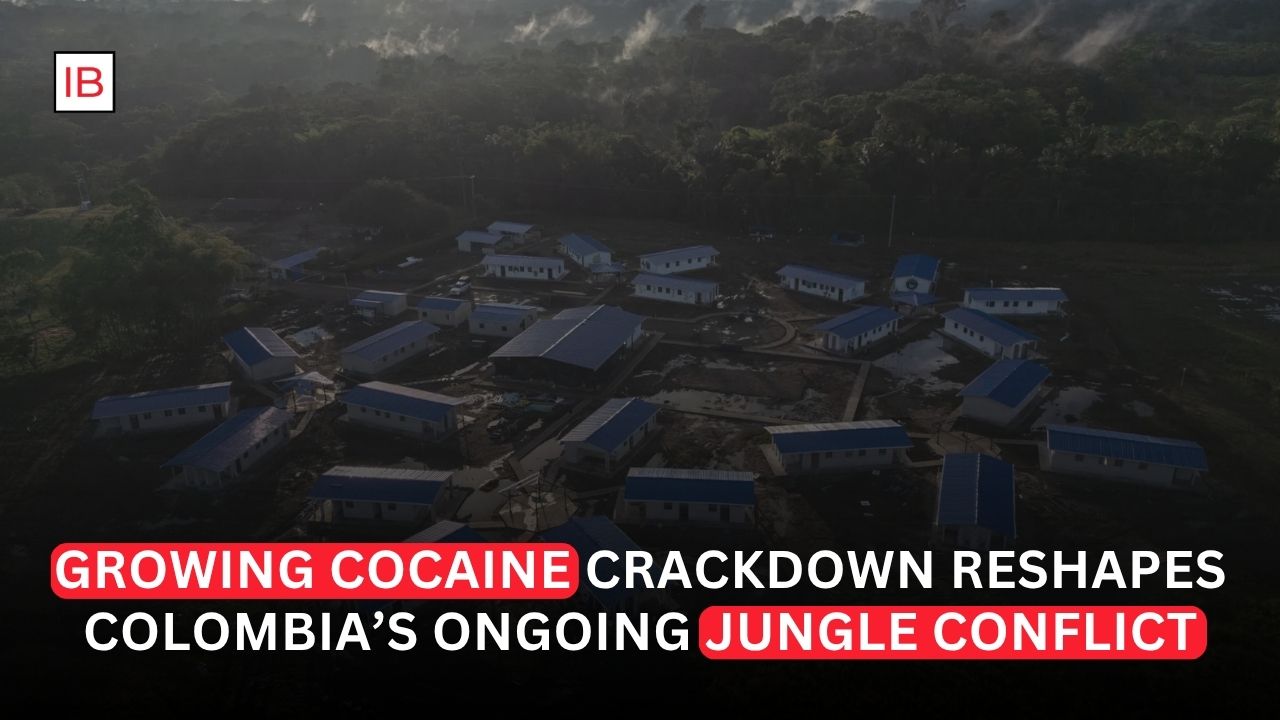
The 99 men and women laid down their arms in June and entered a temporary location in Putumayo as part of negotiations launched under former President Gustavo Petro. Now, with De la Espriella in power, they fear that the political change could put their transition back to civilian life at risk.
For the former fighters, the issue is more than a political disagreement between two presidents. Their decision to abandon armed struggle was based on commitments made by the Colombian state. They now want assurances that those commitments will continue despite the change in government.
A Fragile Peace Process in Putumayo
The former combatants belong to Comandos de la Frontera, an armed group that emerged from former FARC members and operates in Colombia’s southern regions, particularly around Putumayo and the border with Ecuador.
The group entered negotiations with the Petro government as part of his controversial “total peace” strategy. On June 18 and 19, 99 members collectively surrendered their weapons and moved into a Zona de Ubicación Temporal, or temporary location zone, in Valle del Guamuez.
The process represented one of the clearest examples of an armed organization actually moving from negotiations toward disarmament under Petro’s administration. Weapons were collected, military uniforms were removed and the former combatants began preparing for civilian life.
For Colombia’s outgoing government, the development demonstrated that negotiations could produce concrete results. For the new administration, however, the agreement presents a difficult question: whether to continue a process associated closely with Petro’s security policy or dismantle it in favor of a tougher military strategy.
De la Espriella Promised a Different Security Policy
De la Espriella campaigned on a sharply different approach to Colombia’s armed groups.
During his campaign, he promised an “iron fist” security policy and rejected what he described as concessions made to armed organizations under Petro. After winning the presidency, he said ongoing peace negotiations would end and gave illegal armed groups a limited period to surrender.
His administration has since emphasized military pressure, the dismantling of armed organizations and aggressive action against drug trafficking.
After taking office on August 7, De la Espriella also pledged to target major armed-group commanders and expand cooperation with the United States against narcotics organizations. His government has joined the U.S.-led Shield of the Americas initiative, while Washington has offered additional security assistance.
That approach has created uncertainty for people who already surrendered their weapons under a negotiated process.
Former Fighters Ask for Guarantees
The 99 former combatants have publicly appealed to De la Espriella to maintain the process and have invited him to visit their temporary location.
Their message is straightforward: they do not want to return to war.
Several former fighters have described ambitions that have little connection to their previous lives in armed groups. Some want to study, others hope to establish businesses, while many want to reunite with relatives and build stable civilian lives.
One former fighter, Wilson Uraparí, said he wants the government to continue supporting the process and stressed that the group does not want to take up weapons again. Another former combatant, Adrián Zambrano, has said he does not intend to return to armed conflict.
The former fighters have also asked for social investment, employment opportunities, education and productive projects that could give young people alternatives to joining armed groups.
The Government Faces a Difficult Choice
The situation presents De la Espriella with a complicated political and security calculation.
Continuing the process could be portrayed by critics as maintaining part of Petro’s “total peace” strategy. Ending it, however, could undermine confidence in future negotiations with other armed organizations.
Colombia’s peace negotiators have warned that abandoning agreements after combatants surrender could send a damaging message to other groups. If fighters believe that commitments made by one administration can disappear after an election, they may become less willing to surrender weapons in future negotiations.
Armando Novoa, the government’s chief negotiator in the Comandos de la Frontera talks, has argued that dismantling the temporary location would amount to an institutional failure because it could encourage former combatants to believe that the state cannot be trusted to honor its commitments.
Petro’s Peace Strategy Left a Complicated Legacy
The uncertainty surrounding the 99 former fighters is part of a much larger debate over Petro’s four-year attempt to negotiate with Colombia’s armed groups.
Petro came to office promising to pursue “total peace,” seeking talks with several guerrilla and criminal organizations. Some negotiations produced limited progress, while others collapsed amid renewed violence and accusations that armed groups used ceasefires and negotiations to strengthen their territorial and criminal operations.
De la Espriella has used those failures to justify his tougher approach.
His administration has already signaled that peace negotiations will no longer occupy the central position they held under Petro. Instead, the government intends to rely more heavily on military operations, law enforcement and pressure on armed-group leadership.
The Risk of Returning to Conflict
The fate of the former Comandos de la Frontera members could become an early test of whether Colombia can combine a tougher security policy with selective reintegration efforts.
The broader conflict remains highly fragmented. Colombia continues to face threats from the ELN, FARC dissident factions and powerful criminal organizations. Analysts have warned that simply removing individual commanders can sometimes cause armed organizations to split into smaller groups, potentially producing new cycles of violence.
That makes the successful reintegration of former fighters particularly important. If the 99 people in Putumayo can transition into civilian life, the process could demonstrate that negotiated disarmament remains possible even under a government committed to military pressure.
If the process collapses, however, it could reinforce fears that surrendering weapons offers few guarantees.
Looking Ahead
The former fighters in Putumayo now find themselves caught between two very different visions for Colombia’s future.
Petro’s administration offered negotiations and reintegration as tools for reducing violence, while De la Espriella has promised a much tougher campaign against armed groups and drug trafficking. His government has already moved toward closer security cooperation with Washington and has made clear that it intends to use the state’s coercive power more aggressively.
For the 99 former combatants, however, the question is simpler. They have already surrendered their weapons and are asking whether the government will give them a genuine path into civilian life.
How De la Espriella handles their case could therefore have consequences far beyond one temporary settlement in Putumayo. It could influence whether future armed groups believe Colombia’s peace commitments will survive changes in government—and whether those who choose to abandon the battlefield can trust the state to keep its word.