Military confrontations and diplomatic friction across the Persian Gulf have entered an acute phase as mutual accusations derail ongoing peace talks. In the latest chapter of this sustained US Iran conflict escalation, American forces launched targeted strikes against military radar and air defense positions on Iran’s strategic Qeshm Island. The operation triggered immediate condemnation from Tehran, alongside warnings that Washington’s shifting negotiating stance has damaged diplomatic efforts to secure regional maritime transit corridors.
The geopolitical standoff follows the outcome of the 2026 United States midterm elections, which saw shifts in congressional control as public scrutiny over prolonged foreign entanglements mounted. Despite battlefield exchanges and direct strikes on regional command infrastructure, parallel diplomatic efforts persist. The White House is engaging in closed-door discussions with Qatari intermediaries to explore an off-ramp before energy supply routes face wider disruptions.
As analyzed across international macroeconomic reports on InvestorBytes, escalating geopolitical instability in major energy export corridors injects substantial volatility into global supply chains, elevating sovereign risk premiums and driving baseline freight costs higher.
Retaliatory Strikes and the Status of Qeshm Island Infrastructure
Late Sunday, explosions rocked Qeshm Island, a pivotal Iranian maritime territory positioned directly along the northern bank of the Strait of Hormuz. The strikes follow public confirmations that American forces had actively targeted Iranian air defense installations and southern naval radar installations in response to perceived threats against international maritime shipping corridors.
An Iranian provincial official told the semi-official Fars news agency that no vital civilian infrastructure, commercial logistics hubs, or public municipal utilities were damaged in the assault, emphasizing that detonations were confined to isolated military installations away from residential centers.
However, a naval official with the Islamic Revolutionary Guard Corps (IRGC) Navy confirmed that southern navigational aid systems within the maritime corridor sustained severe damage, noting that unauthorized maritime traffic through the chokepoint remained suspended overnight.
The Stalled Two-Day Strait of Hormuz Maritime Proposal
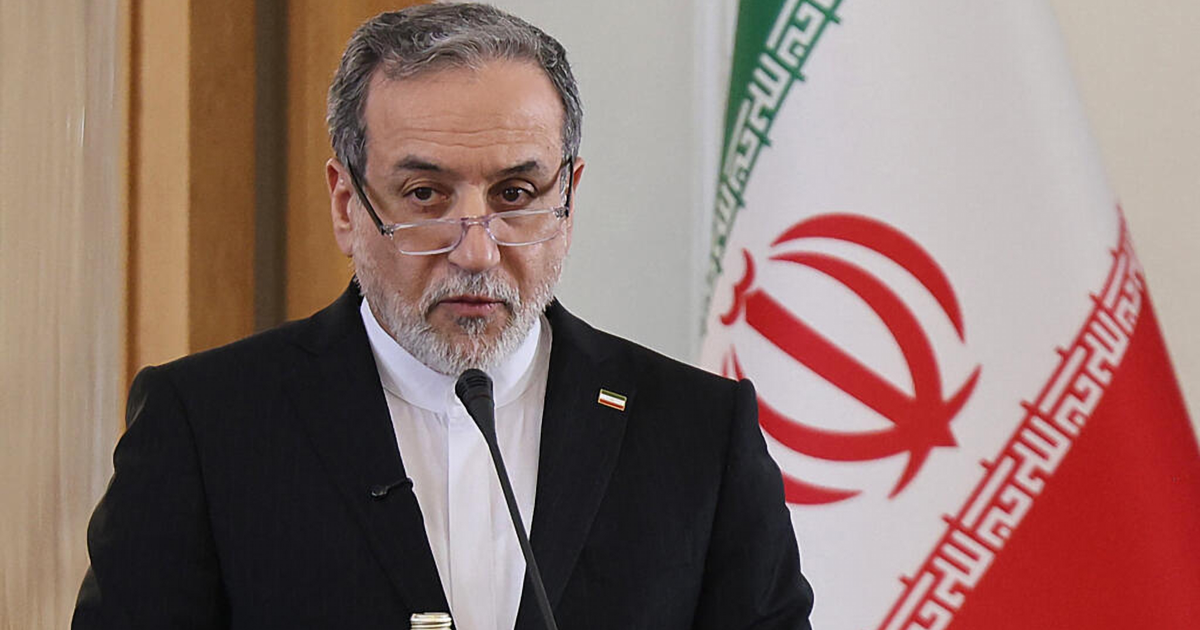
The military exchange coincided with heated exchanges over regional trade security. Iranian Foreign Ministry spokesperson Esmaeil Baghaei reaffirmed Tehran’s commitment to its proposed two-day reopening protocol for the Strait of Hormuz, calling it the most viable blueprint for establishing maritime security.
“Iran’s proposal remains the most rational option on the table,” Baghaei stated during his weekly press briefing in Tehran. “By ‘most rational,’ we mean a proposal that can pave the way for restoring security in the Strait of Hormuz and the Persian Gulf, while also laying the groundwork for a process to move forward.”
Baghaei sharply criticized the White House for conducting airstrikes while backchannel negotiations were underway, describing the attacks as counterproductive to diplomatic progress. He also cited the US State Department’s $20 million reward for intelligence regarding Tehran’s nuclear program as evidence of a fragmented strategy, noting that Western officials had previously declared the program dismantled during earlier operations.
Diplomatic Deadlock: Rubio, Araghchi, and the Qatari Channel
As US Iran conflict escalation tests international markets, the diplomatic front remains fraught with public recriminations. Iranian Foreign Minister Abbas Araghchi publicly criticized the ongoing military engagement, stating on social media that both regional populations and American taxpayers are exhausted by prolonged foreign interventions. Araghchi argued that current military posturing serves third-party regional interests rather than long-term strategic stability.
In contrast, United States Secretary of State Marco Rubio expressed skepticism regarding the likelihood of a diplomatic settlement prior to his departure for the Group of Seven (G7) foreign ministers’ conference in Paris. Rubio argued that while a negotiated solution remains the administration’s official preference, Iranian stipulations remain unworkable.
“You have a number of countries that continue to engage them with different ideas, but I wouldn’t say we’re on the verge of a breakthrough,” Rubio told reporters. “The president would always prefer to solve this and every problem diplomatically. Sometimes that’s not possible, unfortunately.”
Rubio reiterated that American military actions are defensive operations designed to protect commercial navigation and forward-deployed military personnel from regional threats.
| Diplomatic Dimension | Iranian Stance | United States Position |
| Hormuz Navigation | Demands adherence to a 2-day regional security plan | Insists on unilateral defense of international shipping lines |
| Nuclear Surveillance | Rejects Western intelligence bounties and inspections | Demands verifiable limits on nuclear development |
| Mediation Avenue | Communicating via Doha and regional emissaries | Direct White House talks with Qatari leadership |
To navigate the deadlock, the White House scheduled high-level, closed-door consultations with Qatari Prime Minister and Foreign Minister Sheikh Mohammed bin Abdulrahman Al-Thani, joined by Vice President JD Vance. Qatar continues to serve as the primary diplomatic bridge between Washington and Tehran, passing confidential draft frameworks intended to defuse the standoff.
Investors monitoring shifting monetary dynamics and energy pricing trends on InvestorBytes Markets will note that any breakdown in Gulf mediation channels risks elevating transportation insurance rates and tightening international commercial supplies.
Structural Outlook for Regional Energy and Trade Stability
Now in its ninth month following the initial military offensive launched in late February, the standoff continues to challenge regional stability. While an interim ceasefire was reached in April, followed by a preliminary diplomatic memorandum in June, negotiations have repeatedly stalled over verification protocols and sanctions relief.
The ongoing US Iran conflict escalation underscores the persistent fragility of Middle Eastern trade corridors. With navigational aids compromised near Qeshm Island and diplomatic negotiations exposed to political pressures on both sides, the margin for operational miscalculation remains elevated. Until multilateral diplomacy produces an enforceable agreement on maritime passage and defense parameters, commercial shipping through the Persian Gulf will remain under elevated military alert.
Disclaimer
The information provided in this article is for educational, journalistic, and informational purposes only and does not constitute formal financial, legal, or investment advice.