Table of Contents
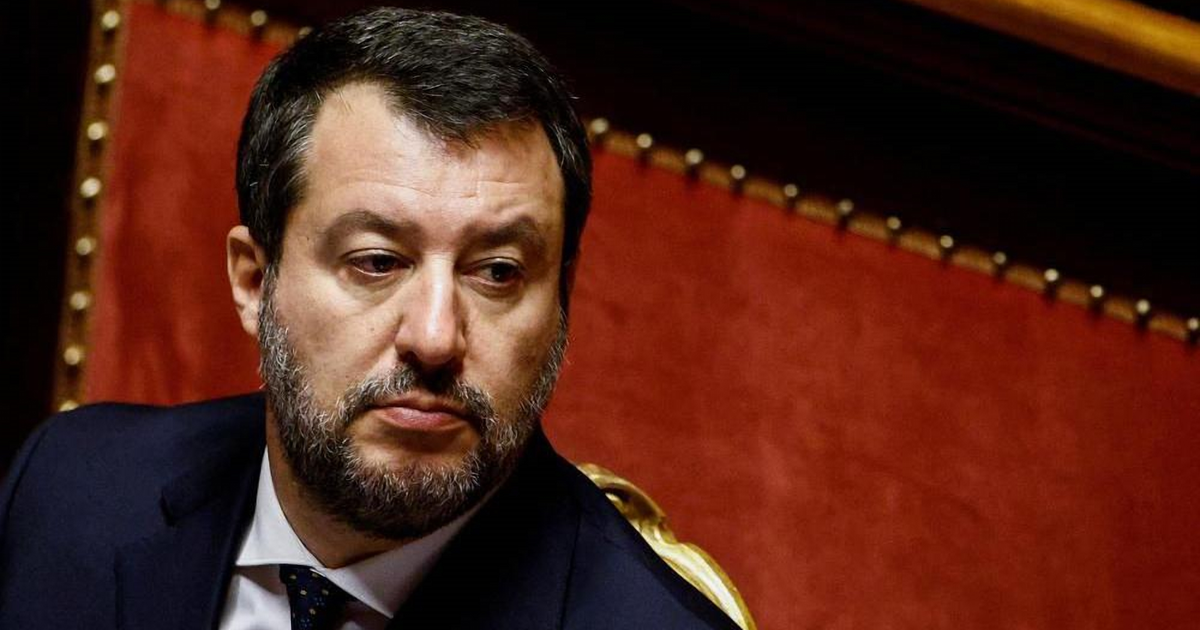
International diplomatic frameworks are expanding their mandates to address digital conflict alongside conventional geopolitical disputes. As foreign ministers from the Group of Seven (G7) nations convene in Paris for high-stakes bilateral consultations, G7 ministers cyber attacks discussions have been elevated to the formal agenda. The multilateral initiative follows an urgent request from Italian Deputy Prime Minister and Foreign Minister Antonio Tajani, who revealed that pro-Russian cyber syndicates recently published his private personal data on dark web illicit forums.
The two-day diplomatic gathering at the Quai d’Orsay, co-hosted by French Foreign Minister Jean-Noël Barrot, was scheduled to address international security corridors, but escalating asymmetric digital sabotage across Europe and South America forced cybersecurity to the forefront. French officials accepted Rome’s petition to formalize unified counter-measures against cross-border digital disruption.
As analyzed across international political updates and market intelligence on InvestorBytes, the weaponization of cyber warfare and digital espionage introduces severe vulnerabilities into global critical infrastructure. For institutional investors and enterprises, state-adjacent hacking campaigns heighten systemic operational hazards, drive cybersecurity compliance expenses higher, and disrupt cross-border capital security.
Anatomy of the Threat: The Dark Web Leak Targeting Antonio Tajani
The catalyst for the ministerial intervention was a direct, targeted cyber breach against Italy’s top diplomatic leadership. Speaking during an emergency media briefing at the Italian Foreign Ministry in Rome, Tajani confirmed that cybercriminals had released his private credentials, personal telephone contacts, and family data onto encrypted dark web repositories.
Tajani linked the incident directly to Italy’s diplomatic and military backing for Ukraine, noting that bad actors were offering monetary bounties to obtain additional sensitive intelligence concerning his personal life. Rome public prosecutors have launched a formal criminal investigation into the breach. Despite the escalation, Tajani struck a defiant tone, declaring that intimidation tactics would not derail Italy’s foreign policy alignments.
While Tajani emphasized the pro-Russian orientation of the perpetrators, he maintained diplomatic precision regarding state responsibility: “I said the hackers are pro-Russian. I did not say that the Russian government is responsible. If I had proof of Russian government involvement, I would say so.”
Expanding Across Borders: Hybrid Warfare From Europe to Latin America
During his pre-summit briefing, Tajani stressed that the breach of his personal communications was not an isolated incident. Instead, it forms part of an expansive, coordinated campaign of hybrid warfare that has impacted institutional systems across Europe and Latin America in recent weeks.
European intelligence networks have recorded a significant uptick in distributed denial-of-service (DDoS) campaigns, industrial supervisory control interference, and ransomware strikes directed against NATO-aligned states. Recent incidents in early November targeted supply chain infrastructure, including automated refrigeration networks across European grocery logistics, underscoring how non-kinetic strikes can cause tangible economic damage.
| Metric / Dimension | Regional Manifestation | Diplomatic & Strategic Response |
| High-Level Political Doxing | Leakage of ministerial records on the dark web | Judicial probes and enhanced diplomatic cyber shielding |
| Critical Infrastructure Probing | Automated temperature disruption in logistics hubs | Increased commercial cybersecurity mandates |
| Cross-Regional Hybrid Warfare | Disinformation and data theft in Europe & Latin America | Coordinated G7 defensive intelligence sharing protocols |
Tajani emphasized that because non-state hacktivists operate with jurisdictional immunity across foreign borders, isolated national defenses are insufficient. The G7 ministers cyber attacks framework in Paris focuses on developing joint deterrence protocols, shared intelligence-pooling channels, and collective attribution standards.
The G7 Agenda in Paris: Joint Deterrence and Legal Retaliation
The ministerial discussions in Paris mark a critical test for Western cyber defense coordination. Historically, G7 communiqués have condemned state-sponsored digital espionage in broad diplomatic terms. However, the recurring focus on G7 ministers cyber attacks signals a transition toward proactive, synchronized responses.
Ministers from the United States, the United Kingdom, Canada, France, Germany, Italy, and Japan—alongside representatives from the European Union—are reviewing specific strategic proposals:
- Shared Intelligence Repositories: Accelerating real-time telemetry sharing between Western intelligence agencies and private cybersecurity infrastructure providers.
- Synchronized Financial Sanctions: Establishing automated sanction packages targeting cryptocurrency wallet addresses, dark web mixers, and offshore payment platforms utilized by hacktivist syndicates.
- Collective Diplomatic Attribution: Formalizing an agreed threshold of digital forensics to publicly name and penalize foreign governments that harbor malicious hacking collectives.
Investors monitoring corporate enterprise liabilities, tech equities, and market developments across InvestorBytes Markets will note that coordinated multilateral sanctions against cyber entities can impact international enterprise supply lines, particularly across software supply chains, digital cloud services, and outsourced telecom hubs.
Corporate and Market Realities of State-Aligned Cyber Conflict
The focus on G7 ministers cyber attacks reflects the growing economic cost of digital disruption. As hybrid conflict blurs the boundary between sovereign military intelligence and private enterprise infrastructure, corporate balance sheets face increasing exposure.
Financial institutions, multinational utility operators, and commercial supply chain logistics networks are prime targets for opportunistic exploitation. With insurance underwriters scaling back coverage for state-sponsored cyber warfare through policy exclusions, corporations are forced to absorb higher capital expenditures to build redundant, air-gapped security perimeters.
As diplomatic delegations conclude their working sessions in Paris, the message from Rome, Paris, and Washington is unified: cyber disruption can no longer be addressed as localized IT friction. Defending democratic institutions and digital commerce against asymmetric operations requires multilateral coordination, collective attribution mechanisms, and coordinated countermeasures across the global economy.
Disclaimer
The information provided in this article is for educational, journalistic, and informational purposes only and does not constitute formal financial, legal, or investment advice.