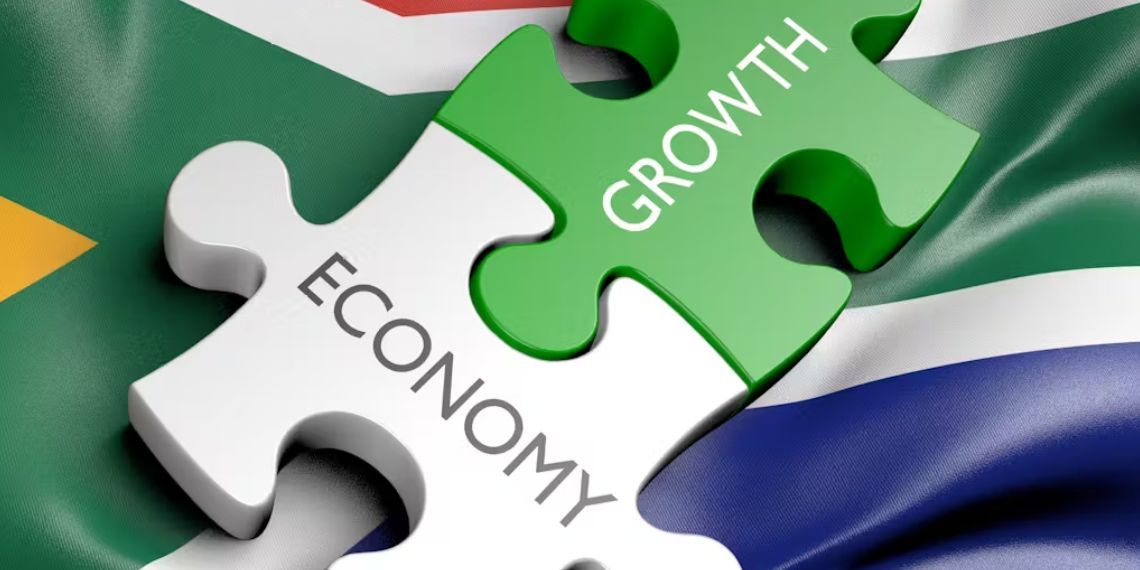
South Africa’s Economy, once hailed as a beacon of economic progress in Africa, is currently facing significant challenges as its economy experiences a contraction due to weak demand across various sectors. This article delves into the factors contributing to this downturn, its implications, and the strategies being employed to mitigate its impact.
Introduction
In recent years, South Africa’s economic growth has been faltering, with the latest reports indicating a contraction driven primarily by subdued consumer demand and external economic pressures. This article explores the multifaceted nature of these challenges and their broader implications.
Factors Contributing to Economic Contraction
Impact of Weak Consumer Demand
One of the primary drivers behind South Africa’s economic shrinkage is the decline in consumer spending. High unemployment rates and low wage growth have dampened household purchasing power, leading to reduced consumption across various sectors such as retail, automotive, and housing.
Effects of Global Economic Slowdown
Furthermore, the global economic slowdown has adversely affected South Africa’s export-oriented industries. Reduced demand for commodities and manufactured goods has hit key sectors like mining and manufacturing, exacerbating the country’s economic woes.
Key Industries Affected
Manufacturing Sector Challenges
The manufacturing sector, which has traditionally been a cornerstone of South Africa’s Economy, is facing significant headwinds. Declining orders, rising input costs, and supply chain disruptions have hampered production levels and profitability.
Tourism and Hospitality Downturn
South Africa’s vibrant tourism and hospitality industry, once a major contributor to GDP, has also suffered a severe downturn. Travel restrictions, safety concerns, and reduced global travel have led to a sharp decline in tourist arrivals and hospitality revenues.
Government Response and Policies
In response to these economic challenges, the South Africa’s Economy government has implemented various fiscal measures aimed at stimulating growth and supporting vulnerable sectors. These include infrastructure investments, tax incentives, and financial aid programs for struggling businesses.
Employment and Unemployment Rates
Rise in Unemployment Figures
The economic slowdown has translated into a rise in unemployment rates, with many South Africans finding themselves out of work or underemployed. The labor market remains tight, with youth unemployment particularly high, posing social and economic challenges.
Job Market Challenges
Job creation efforts have been insufficient to absorb the growing number of job seekers, exacerbating social inequalities and poverty levels. Addressing unemployment remains a critical priority for policymakers.
Currency and Exchange Rate Fluctuations
Rand Performance Against Major Currencies
The South African rand has experienced volatility amid global economic uncertainties, impacting trade dynamics and investor confidence. Fluctuations in exchange rates have implications for import costs, inflation rates, and overall economic stability.
Implications for Trade and Investment
Currency depreciation has affected South Africa’s trade balance, influencing import and export trends. While a weaker rand may boost export competitiveness, it also increases the cost of imported goods and services, affecting consumer prices.
Impact on Small and Medium Enterprises (SMEs)
Challenges Faced by SMEs
Small and medium enterprises (SMEs), which form the backbone of South Africa’s economy, are grappling with liquidity constraints, reduced consumer demand, and operational challenges. Many SMEs are at risk of closure without adequate support.
Support Programs Available
Government initiatives such as loan guarantees, business development support, and capacity-building programs aim to assist SMEs in weathering the economic downturn. Access to finance and business resilience training are crucial for SME survival.
International Trade Dynamics
Import and Export Trends
South Africa’s Economy trade patterns have been affected by shifts in global demand and supply chains. Changes in export volumes and commodity prices have implications for the country’s trade balance and economic growth prospects.
Trade Agreements and Their Impact
International trade agreements play a pivotal role in shaping South Africa’s trade relations and export opportunities. Continued engagement in regional and global trade forums is essential for diversifying export markets and enhancing economic resilience.
Investment Climate and Foreign Direct Investment (FDI)
Changes in Investment Patterns
Foreign direct investment (FDI) inflows have been subdued amidst global economic uncertainties and domestic policy challenges. Investor confidence in South Africa’s economic prospects remains cautious, impacting capital inflows and business expansion.
Investor Sentiment and Confidence
Restoring investor confidence through policy reforms, regulatory certainty, and infrastructure development is crucial for attracting sustainable FDI. Strengthening governance frameworks and addressing corruption concerns are imperative steps.
Future Economic Outlook
Projections for Recovery
Despite current challenges, economic forecasts suggest a gradual recovery for South Africa’s economy, supported by structural reforms, infrastructure investments, and global economic rebounds. Economic indicators such as GDP growth and employment rates will be closely monitored.
Policy Forecasts and Economic Indicators to Watch
Monitoring key economic indicators such as inflation rates, consumer spending trends, and business sentiment surveys will provide insights into the pace and trajectory of South Africa’s economic recovery. Policy agility and responsiveness will be critical in navigating uncertainties.
What are the primary factors contributing to South Africa’s economic downturn?
Weak consumer demand, global economic slowdown, and sector-specific challenges such as manufacturing and tourism downturns.
How is the South African government addressing unemployment?
Through fiscal measures, job creation programs, and support for small and medium enterprises (SMEs).
What role does international trade play in South Africa’s economic landscape?
International trade agreements and export-import dynamics significantly influence South Africa’s economic growth and trade balance.
What are the prospects for South Africa’s economic recovery?
Economic forecasts indicate a gradual recovery, contingent upon policy reforms, infrastructure investments, and global economic conditions.
How can businesses in South Africa navigate the current economic challenges?
By leveraging government support programs, enhancing operational efficiencies, and exploring new market opportunities.