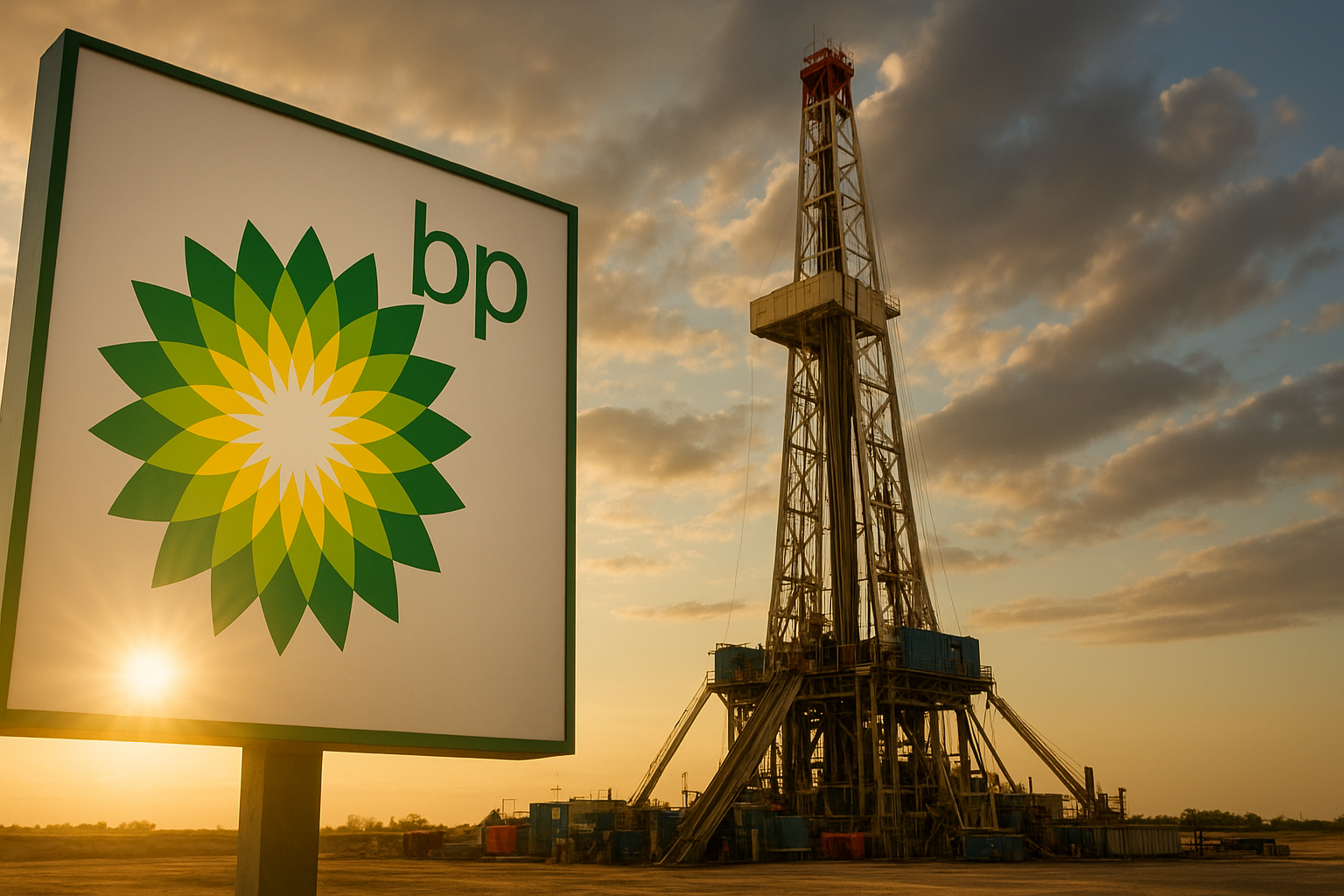
### BP Makes Biggest Find in 25 Years as It Refocuses on Fossil Fuels
In a significant move that underscores the ongoing complexity of the energy transition, BP has announced its most substantial oil discovery in nearly a quarter of a century. This unprecedented find comes at a pivotal moment for the oil and gas industry, as the world grapples with the delicate balance between fossil fuel reliance and the urgent need for sustainable energy practices. As we explore the implications of BP’s discovery, it’s essential to consider the broader context of energy production, market dynamics, and the company’s strategic pivot back toward fossil fuels.
#### The Discovery: A Game Changer for BP
BP’s latest discovery, located in a promising geological formation, is estimated to break new ground in terms of oil reserves. While specific figures are yet to be released, this find marks a return to a traditional focus on hydrocarbons for BP, one of the world’s leading oil and gas companies. BP’s executive team has expressed optimism about this discovery, framing it as a cornerstone for the company’s future energy strategy.
The field is believed to hold several billion barrels of recoverable oil. This finding revitalizes BP’s portfolio and can potentially bring a significant influx of capital as the company plans to bring the new reserve online in the coming years. However, this discovery may also introduce challenges, such as fluctuating oil prices, regulatory hurdles, and public perception.
#### Refocusing on Fossil Fuels: A Strategic Shift
For years, BP has been vocal about its commitment to shifting toward renewable energy and reducing its carbon footprint. In 2020, the company announced a bold plan to cut oil production by 40% by 2030 and to significantly increase investments in renewable energy sources like solar and wind. However, with the recent discovery and prevailing energy demands, BP appears to be recalibrating its approach in response to market pressures and the immediate energy crisis heightened by geopolitical factors and economic recovery needs.
The refocus on fossil fuels raises several important questions:
1. **Market Necessities**: The global energy demand has surged, particularly after the COVID-19 pandemic, as economies strive for recovery. The immediate need for reliable energy can often sideline long-term sustainability goals. BP’s decision to capitalize on this discovery can be seen as responding to the present energy landscape.
2. **Investor Expectations**: Shareholders have shown a strong demand for consistent returns, particularly in light of the energy crisis brought about by global uncertainties. By shifting its focus back to oil and gas, BP seeks to reassure investors that it can deliver value while still maintaining a foothold in the renewable sector.
3. **Government Policies**: With many governments still heavily reliant on fossil fuels to meet energy demands, BP’s renewed focus on oil could align closely with legislative efforts aimed at boosting energy independence and security, even as many countries outline their long-term carbon-neutral goals.
#### The Environmental Dilemma
While BP’s discovery is expected to generate considerable economic benefit, it does not come without controversy. The company’s pivot back to fossil fuels raises significant environmental concerns. With climate change becoming an increasingly pressing issue, critics argue that investments in fossil fuels represent a step backward in the global fight against carbon emissions.
This dichotomy presents BP with a dual challenge—how to satisfy immediate market demands and investor expectations while also being responsible stewards of the environment. The reconciliation of these objectives will take on greater urgency as public awareness of climate issues continues to grow.
Moreover, BP’s strategy will need to embed stronger sustainability measures. The discovery of new fossil fuel reserves should be framed not merely as an opportunity to increase oil production but also as a chance to innovate in cleaner extraction and production technologies. If BP can achieve this balance, it may be able to position itself favorably in the marketplace while contributing to the broader environmental narrative.
#### The Road Ahead
BP’s latest find is not just about adding oil reserves to its portfolio; it’s a strategic maneuver that must navigate a complicated landscape. The road ahead will likely be tumultuous, as various stakeholders—including governments, investors, consumers, and environmental activists—demand differing courses of action.
To maintain its relevance and boost public confidence, BP should:
1. **Articulate a Clear Vision**: Clearly communicate how it intends to leverage its newfound fossil fuel reserves while also advancing renewable energy initiatives. This vision should include specific targets and timelines for balancing oil investment with green energy initiatives.
2. **Invest in Innovation**: Continue investing in technology that reduces the carbon footprint of fossil fuel extraction and enhances efficiency. Commitment to research and development in clean technologies can foster consumer goodwill and create pathways to sustainable solutions.
3. **Engage Stakeholders**: Open dialogues with stakeholders to understand their concerns and incorporate feedback into its business strategy. House meetings, public forums, and transparent communication can enhance the company’s credibility and accountability.
4. **Advocate for Policy Change**: Proactively work with governments to implement regulations that address climate change, and promote responsible energy practices, showing leadership as the world transitions to a sustainable energy economy.
#### Conclusion
BP’s discovery of