**Russia’s Oil Revenue Falls by a Third on Weak Prices, Strong Ruble**
The global economic landscape is a complex web of interdependencies, with countries relying on various exports to sustain their economies. For Russia, oil is not just a significant part of the economy; it’s the backbone. As one of the world’s top producers and exporters of oil, fluctuations in oil prices can have a profound impact on the country’s fiscal health. Recently, the numbers are concerning: Russia’s oil revenue has plummeted by a third, driven by weak prices and the strengthening of the ruble. In this blog, we will explore the intricacies behind these developments, the factors contributing to the decline, and the potential implications for Russia’s economy moving forward.
### Understanding the Numbers
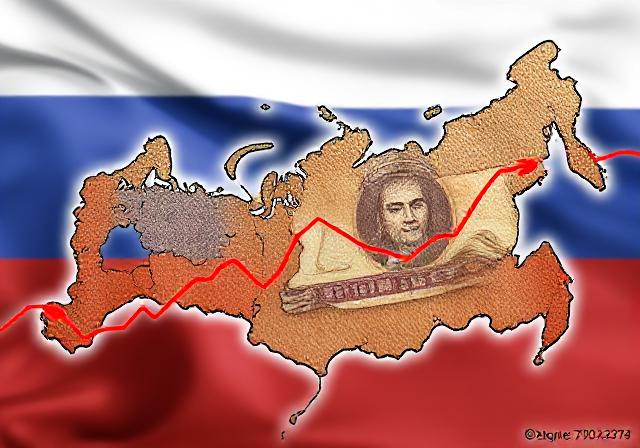
To put things into perspective, during the first half of 2023, Russian oil revenue saw a substantial decline, dropping about 30% compared to the previous year. This decline can be attributed to a combination of two main factors: the ongoing fluctuations in global oil prices and a notable appreciation of the ruble, Russia’s national currency. Oil is usually priced in dollars, and when the ruble strengthens, the revenue from oil exports, when converted back to rubles, tends to decrease.
### The Impact of Weak Oil Prices
Oil prices are subject to the dynamics of global supply and demand. During the past few years, several factors, including the COVID-19 pandemic, geopolitical tensions, and shifts to renewable energy, have heavily influenced these dynamics. In 2023, the market faced additional pressures from weaker demand forecasts in key markets, such as China, which has struggled to regain pre-pandemic consumption levels.
Moreover, OPEC+ agreements, which aim to manage output levels among member countries, have seen mixed results in sustaining prices. The increase in production quotas amidst economic uncertainties has led to oversupply concerns, further driving down prices, which have failed to recover to pre-pandemic highs. As of mid-2023, crude oil traded at approximately $60-$70 per barrel, below levels needed for Russia to balance its budget effectively, which is estimated to hover around $95 per barrel.
### The Strengthening Ruble
Another striking development contributing to the decline in oil revenue is the unexpected strength of the ruble against other currencies, particularly the US dollar. This rise in value is often attributed to the impact of central bank policies, capital controls, and trade flows that favor stable internal economic conditions.
While a strong ruble can be beneficial for consumers purchasing imports, it poses significant challenges for exporters, particularly in the oil sector. When the currency appreciates, the dollar-denominated revenues diminish when converted to local currency, squeezing the profitability of oil companies and reducing overall state revenues.
### The Fallout: Budget Dilemmas and Economic Implications
The combination of falling revenues and budget pressures has serious ramifications for the Russian economy. Oil revenue plays a crucial role in government budgets, accounting for a significant portion of income not just for the federal government but also for regional budgets affected by dependency on oil-related tax revenues.
### Fiscal Challenges
The shortfall in oil revenues can lead to budgetary challenges for the Russian government, potentially resulting in increased borrowing or cuts to essential social and economic programs. This situation could cause tensions in public spending, impacting investment in infrastructure projects, health care, pensions, and education. The repercussions can proliferate throughout society, potentially leading to discontent or unrest.
### Geopolitical Considerations
Russia’s oil revenue situation also plays a critical role in geopolitical dynamics. With European nations aiming to reduce dependency on Russian energy sources amid ongoing tensions from the Ukraine conflict, Moscow must seek alternative markets, primarily in Asia. Yet, even with this pivot, the reduced revenue may limit Russia’s geopolitical ambitions and soften its stance in international negotiations.
Furthermore, Russia’s ability to invest in defense and security initiatives could be hampered, leading to vulnerabilities in a global landscape marked by competition and conflict. This could profoundly affect its posture on the world stage, diminishing its influence and ability to assert its interests.
### Future Prospects: The Shift to Renewables
In light of declining oil revenues, Russia may also need to reassess its long-term energy strategy. The global shift towards renewable energy appears irreversible, and the demand for fossil fuels is under scrutiny more than ever before. This transition poses double challenges for Russia: on one side, accelerating efforts to diversify the economy away from oil dependency; on the other side, positioning itself within emerging energy markets focused on sustainability.
Investment in renewable energy has been slow, but experts believe that developing alternative energy sources will be critical for Russia’s economic resilience in the coming years. Balancing current oil demands against future energy trends will demand significant resource allocation and shifts in industrial policy.
### Conclusion
As Russia navigates this period of declining oil revenues due to weak prices and a strong ruble, the implications for its economy are profound and multi-faceted. Budget challenges, potential turmoil in public sentiment, and shifting geopolitical dynamics may reshape the nations’ priorities and strategies for years to come. Furthermore, the reality of a