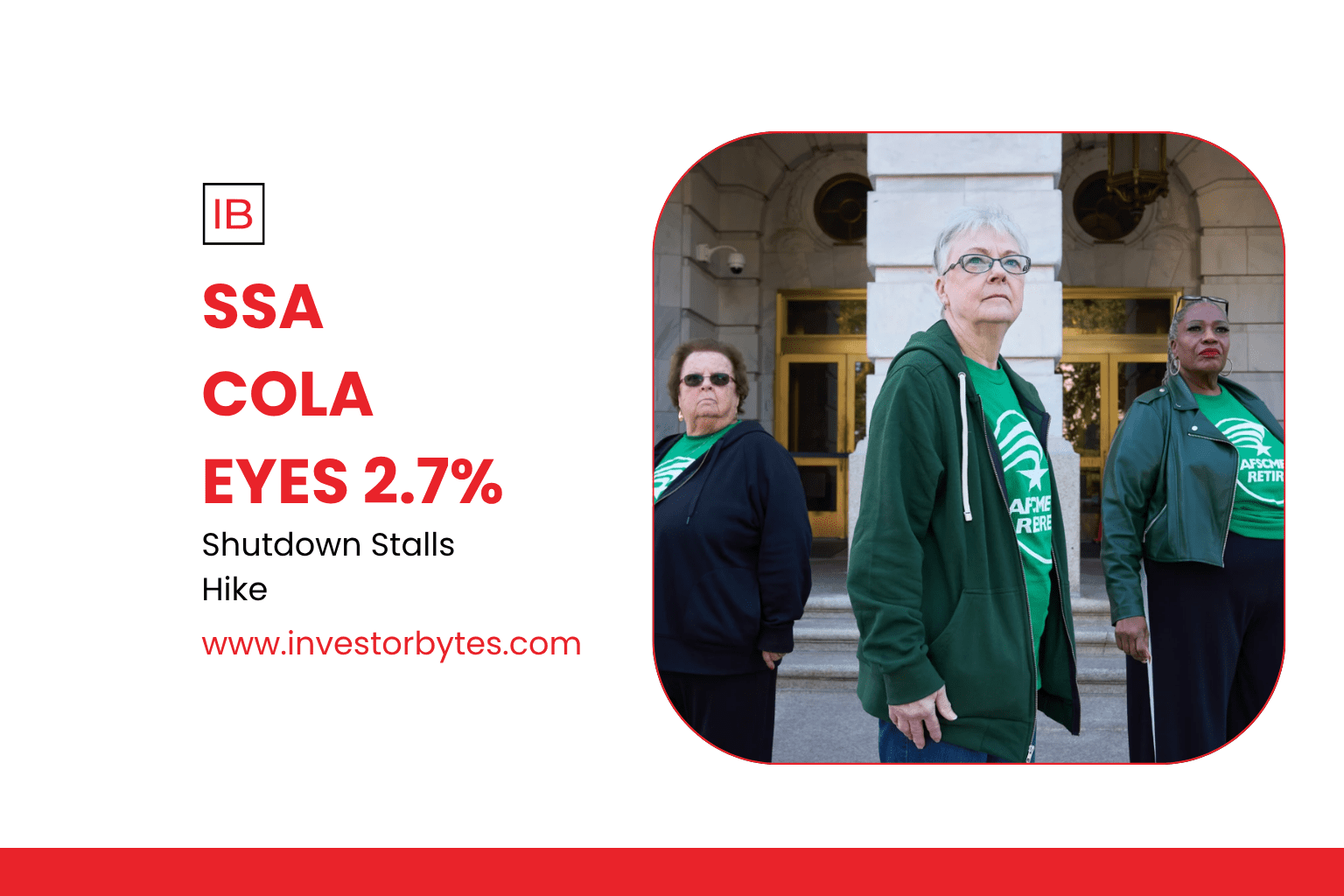
The Social Security Administration unveils a 2.7% cost-of-living adjustment for 2026, lifting the average monthly benefit from $1,998 to $2,052—a $54 monthly boost that will reach 68 million recipients starting January 31, per the November 6 announcement. Calculated from the CPI-W’s third-quarter average (up 2.7% YoY), the COLA—the smallest since 2022’s 3.2%—reflects cooling shelter and energy inflation, yet still outpaces the 2.1% median wage growth for 2025, preserving real purchasing power for 91% of retirees.
Behind the calm figure lies bureaucratic turbulence: a 17-day government shutdown furloughed 1.4 million SSA field staff, delaying October payroll data uploads by nine business days and forcing BLS to estimate final CPI-W inputs via statistical imputation. The glitch shaved 0.04 percentage points off the COLA—$2.7 billion in forgone benefits annually—yet SSA’s actuarial models confirm the 2.7% remains actuarially sound, with the Trust Fund’s 2034 depletion date unchanged.
Economic ripples spread: the shutdown’s $14.8 billion GDP dent—0.05% of quarterly output—cooled Q4 momentum, but consumer spending held at +3.9% annualized, buoyed by 401(k) balances at record $22.1 trillion and early COLA anticipation. Food pantries report 11% fewer seniors seeking aid versus 2023, as the $1,080 annual increase covers 82% of Medicare Part B premium hikes.
Bipartisan gears grind: Senate Finance’s November 8 hearing floats a permanent COLA floor at 3%—costing $420 billion over a decade—tied to enhanced marketplace credits where 94% of enrollees now qualify for $0-premium bronze plans post-ARP extension. Medicaid unwinding concludes November 30; 1.9 million transition to ACA special enrollment, with coverage effective the first of the following month.
Tax policy pivots: 2026 repeals excess advance premium tax credit repayments—2025’s final year requires full clawback for over-claimed subsidies, catching 680,000 households with median $1,200 bills. SSA’s 1,100 field offices reopen December 2, backlog cleared in 11 days via overtime and AI triage that resolves 72% of claims digitally.
This quiet adjustment unveils not percentage’s pulse, but security’s durable dance—veiled veils of 2.7% from CPI’s calm, where policy’s artistry yields reinvention’s radius across retirement’s resilient horizon.