Rising US Currency Weighs on Industrial Metals Market
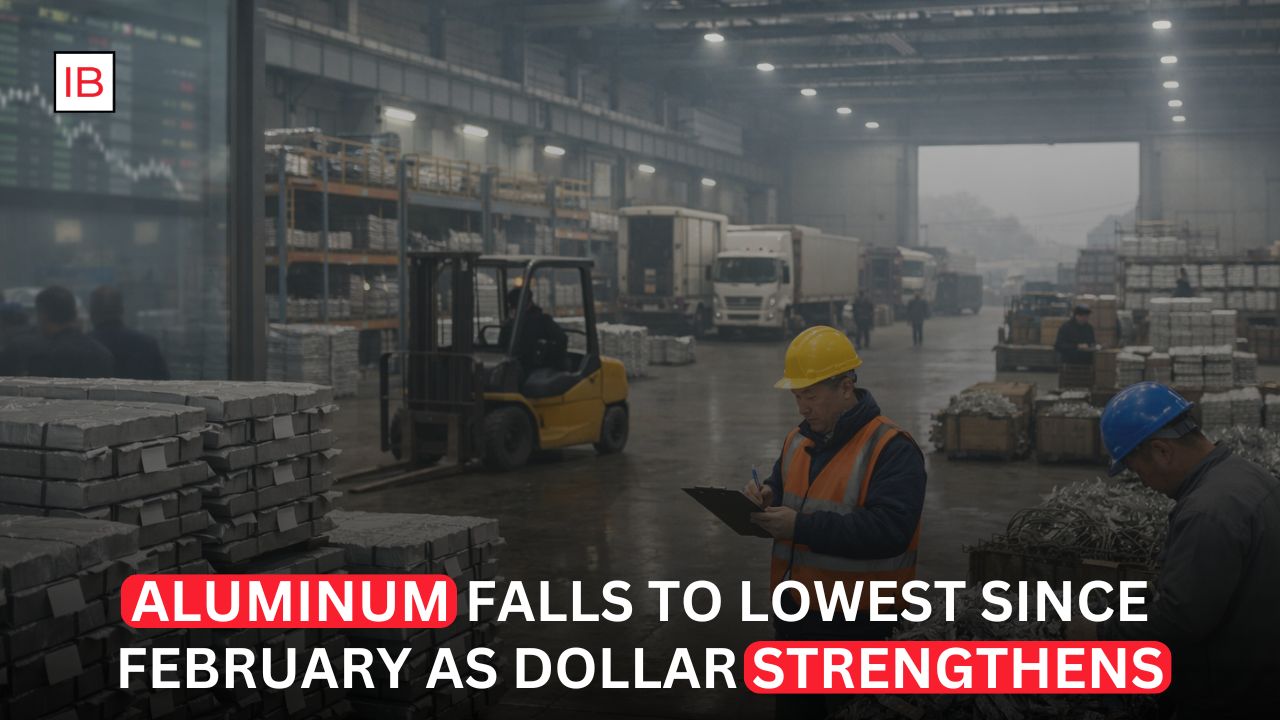
Aluminum prices have fallen to their lowest level in several months as a stronger U.S. dollar and shifting market sentiment put pressure on industrial commodities.
The decline reflects growing caution among investors as currency movements, global economic conditions, and changing supply expectations reshape commodity markets. Aluminum, which is widely used in construction, transportation, packaging, and manufacturing, has been particularly sensitive to recent market developments. Recent market data shows aluminum extending losses and trading near multi-month lows after a sharp reversal from earlier price highs.
The latest drop highlights how closely commodity prices remain linked to broader macroeconomic trends.
Why a Stronger Dollar Hurts Aluminum Prices
Most globally traded commodities, including aluminum, are priced in U.S. dollars.
When the dollar strengthens against other currencies, commodities become more expensive for buyers using euros, yen, yuan, and other currencies. This can reduce demand and place downward pressure on prices.
A stronger dollar also tends to attract investment flows into currency markets and dollar-denominated assets, reducing the appeal of commodities as alternative investments. Analysts have repeatedly noted that dollar strength has become one of the most important drivers of commodity price movements in recent months.
As a result, industrial metals often face headwinds whenever the U.S. currency gains momentum.
Aluminum Has Reversed Earlier Gains
The recent decline comes after aluminum experienced a strong rally earlier in 2026.
Prices surged to multi-year highs as geopolitical tensions and concerns about Middle Eastern supply disruptions created fears of shortages. At one point, aluminum reached its highest levels in more than four years as traders worried about potential impacts on global supply chains.
However, as supply concerns eased and markets adjusted to changing conditions, much of that risk premium began to disappear.
The result has been a significant correction that has pushed prices back toward levels not seen since February.
Supply Outlook Is Influencing Market Sentiment
Another factor affecting aluminum prices is the evolving outlook for global supply.
Earlier concerns about production disruptions in key exporting regions helped drive prices higher. More recently, expectations that supply conditions may stabilize have reduced fears of shortages and contributed to selling pressure.
Reports suggest that the market is increasingly focused on the possibility of improved availability from major producing regions, reducing the urgency that previously supported higher prices.
As supply expectations improve, investors are reassessing how much premium should be reflected in aluminum prices.
Global Manufacturing Demand Remains Important
Demand conditions continue to play a major role in determining aluminum’s direction.
The metal is used extensively across industries including automotive manufacturing, aerospace, consumer goods, renewable energy, and infrastructure development. Economic growth trends therefore have a direct impact on aluminum consumption.
Investors are closely monitoring manufacturing activity in major economies such as China, the United States, and Europe. Any signs of slowing industrial demand can weaken support for prices, while stronger economic activity tends to boost consumption.
The balance between supply and demand remains one of the most important drivers of long-term market performance.
China’s Role Cannot Be Ignored
China remains the world’s largest producer and consumer of aluminum.
Developments within the Chinese economy often have an outsized impact on global metal markets. Construction activity, infrastructure investment, manufacturing output, and government stimulus measures all influence aluminum demand.
Because of China’s dominant position in the industry, investors pay close attention to economic indicators and policy announcements from Beijing when evaluating future price trends.
Changes in Chinese demand can significantly influence global market sentiment and pricing dynamics.
Investors Are Watching Interest Rates Closely
Monetary policy is another key factor influencing commodity markets.
Higher interest rates generally strengthen the U.S. dollar and increase borrowing costs across the economy. These conditions can reduce investor appetite for commodities and other risk-sensitive assets.
At the same time, tighter financial conditions may slow economic growth and industrial activity, potentially reducing demand for metals such as aluminum.
As central banks continue evaluating inflation and growth trends, interest-rate expectations remain a major source of uncertainty for commodity investors.
What Lower Aluminum Prices Mean for Industry
Falling aluminum prices can have mixed consequences for businesses.
Manufacturers that rely on aluminum as a raw material may benefit from lower input costs, potentially improving profitability and reducing production expenses. Industries such as automotive manufacturing, construction, and packaging often welcome lower commodity prices.
On the other hand, aluminum producers and mining companies may face pressure on revenues and profit margins if prices remain weak for an extended period.
The overall impact depends largely on where companies sit within the broader supply chain.
Why Investors Are Paying Attention
Aluminum is often viewed as an important indicator of global economic activity.
Because the metal is used across so many industries, changes in aluminum prices can provide insights into manufacturing trends, infrastructure spending, and business confidence. Investors frequently monitor industrial metals as a way of gauging broader economic conditions.
The recent decline therefore carries significance beyond the commodity market itself.
Movements in aluminum prices may offer clues about how investors view growth prospects and industrial demand in the months ahead.
Looking Ahead
Aluminum’s fall to its lowest level since February reflects the combined impact of a stronger U.S. dollar, easing supply concerns, and shifting expectations for global economic growth. While industrial demand remains relatively stable, investors are increasingly focused on currency movements, monetary policy, and the outlook for major economies.
The metal remains a critical component of modern manufacturing and infrastructure, ensuring that market participants will continue watching price movements closely. If the dollar remains strong and supply conditions continue improving, aluminum could face additional pressure.
However, any rebound in global manufacturing activity or renewed supply disruptions could quickly change the market outlook. For now, aluminum’s recent decline serves as another reminder of how interconnected commodity markets have become with global economic and financial conditions.