Major Japanese Robotics Companies Partner With Nvidia to Advance AI-Powered Industrial and Humanoid Robots
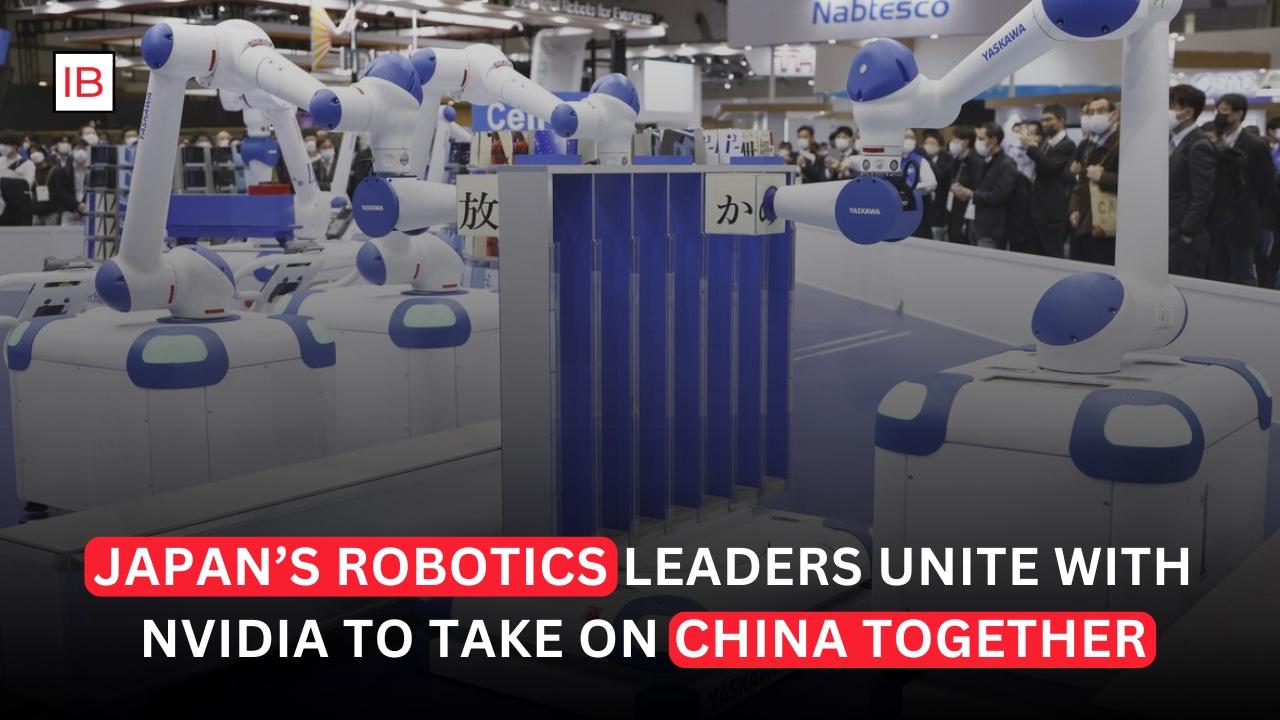
Several of Japan’s leading robotics manufacturers have joined Nvidia’s Physical AI Cosmos Coalition, marking a significant step toward accelerating the development of intelligent robots capable of operating in real-world environments. The collaboration aims to combine Nvidia’s advanced artificial intelligence platforms with Japan’s expertise in robotics, helping speed up innovation in industrial automation, manufacturing, logistics, healthcare, and humanoid robotics.
The move comes as demand for AI-powered robots continues to grow worldwide, driven by labor shortages, aging populations, and increasing investment in automation. By joining the coalition, Japanese companies gain access to Nvidia’s AI software, simulation technologies, and computing platforms designed to train robots more efficiently before they are deployed in real-world settings.
Nvidia Expands Its Physical AI Ecosystem
Nvidia launched the Cosmos Coalition to bring together robotics companies, developers, manufacturers, and AI researchers working on physical artificial intelligence.
The initiative focuses on:
- Training robots using AI-powered simulations.
- Accelerating autonomous robot development.
- Improving machine perception and decision-making.
- Reducing development costs through virtual testing.
- Building common AI tools for robotics companies.
The coalition aims to shorten the time needed to develop and commercialize advanced robotic systems.
Japan Strengthens Its Leadership in Robotics
Japan has long been one of the world’s leading robotics hubs, with companies producing industrial robots used in factories across the globe.
By joining Nvidia’s initiative, Japanese manufacturers hope to:
- Improve robot intelligence.
- Expand automation capabilities.
- Develop more adaptable humanoid robots.
- Increase manufacturing efficiency.
- Strengthen international competitiveness.
Industry leaders believe AI will transform robotics from highly specialized machines into systems capable of performing a much wider variety of tasks.
Physical AI Becomes the Next Frontier
Unlike traditional industrial robots that perform repetitive programmed actions, physical AI allows machines to understand, learn from, and interact with their surroundings.
Potential applications include:
- Smart manufacturing.
- Warehouse automation.
- Healthcare assistance.
- Elderly care.
- Construction.
- Agriculture.
- Retail logistics.
AI-powered robots can process visual information, recognize objects, navigate changing environments, and make real-time decisions with minimal human intervention.
Addressing Labor Shortages
Japan’s aging population and shrinking workforce have made automation an increasingly important national priority.
Advanced robotics are expected to help:
- Support manufacturing industries.
- Improve productivity.
- Reduce labor shortages.
- Enhance workplace safety.
- Increase operational efficiency.
Government and industry leaders see artificial intelligence as a key technology for maintaining economic competitiveness despite demographic challenges.
Nvidia Continues Expanding Beyond AI Chips
While Nvidia remains the world’s leading supplier of AI processors, the company is increasingly positioning itself as a provider of complete AI infrastructure.
Its robotics ecosystem includes:
- High-performance AI chips.
- Robot simulation platforms.
- Physical AI foundation models.
- Machine learning software.
- Autonomous system development tools.
By building partnerships with robotics manufacturers worldwide, Nvidia hopes to establish its platforms as industry standards for next-generation intelligent machines.
Looking Ahead
The decision by Japan’s leading robotics companies to join Nvidia’s Physical AI Cosmos Coalition highlights the growing convergence of artificial intelligence and advanced robotics. As industries increasingly adopt intelligent automation, collaborations between AI technology providers and robotics manufacturers are expected to play a central role in shaping the future of manufacturing, logistics, healthcare, and autonomous systems.
With AI capabilities advancing rapidly, experts believe physical AI could become one of the defining technologies of the next decade, enabling robots to operate more safely, efficiently, and independently in everyday environments.