Rapid Expansion of AI Infrastructure Creates New Housing Challenges in Emerging Technology Hubs
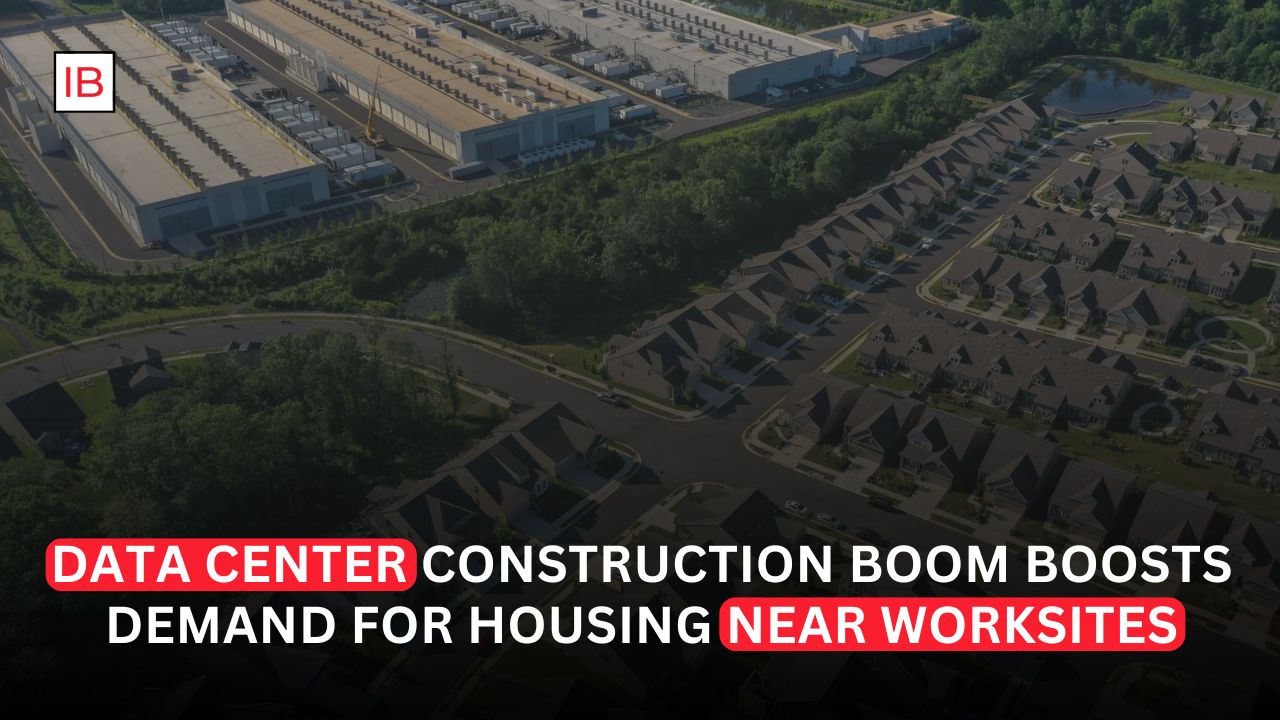
The rapid expansion of artificial intelligence data centers is driving a new wave of demand for workforce housing as thousands of construction workers move into communities building the next generation of digital infrastructure. Across the United States and other major technology markets, large-scale AI data center projects are creating temporary housing shortages as developers compete for skilled labor needed to construct multi-billion-dollar facilities. The trend is reshaping local housing markets and prompting builders to develop new accommodation solutions for workers arriving in areas with limited residential capacity.
Unlike traditional commercial construction, hyperscale data centers often require thousands of workers over multi-year building periods. Many of these projects are located in smaller cities or rural areas where existing housing supply cannot easily absorb such a rapid increase in population. As a result, developers are increasingly turning to modular housing, manufactured homes, and purpose-built worker communities to accommodate construction teams.
AI Investment Accelerates Construction Activity
The global race to expand AI computing capacity has significantly increased data center development.
Key drivers include:
- Rapid growth in artificial intelligence applications.
- Rising demand for cloud computing.
- Expansion of hyperscale computing facilities.
- Increasing enterprise AI adoption.
- Heavy investment by major technology companies.
As companies commit hundreds of billions of dollars to AI infrastructure, construction activity has accelerated across numerous regions.
Housing Demand Outpaces Supply
Communities hosting large data center projects are experiencing unexpected pressure on local housing markets.
Common challenges include:
- Shortages of rental accommodation.
- Rising housing costs.
- Limited hotel availability.
- Increased demand for temporary worker housing.
- Pressure on local infrastructure.
In several regions, developers have begun using manufactured housing communities to provide faster and more affordable accommodation for construction workers.
Modular Housing Gains Momentum
Manufactured and modular housing companies are benefiting from the surge in demand.
These housing solutions offer:
- Faster construction timelines.
- Lower development costs.
- Flexible deployment near project sites.
- Temporary accommodation for large workforces.
Industry suppliers report increasing orders from contractors involved in major AI infrastructure projects as traditional housing options become scarce.
Communities Face Mixed Impacts
While data center projects create employment and economic activity, rapid development also presents challenges for local communities.
Residents and policymakers are increasingly debating issues such as:
- Housing affordability.
- Land availability.
- Infrastructure expansion.
- Energy consumption.
- Water usage.
Some communities have welcomed the investment because of job creation, while others have expressed concerns about balancing housing needs with industrial development.
Construction Labor Remains in High Demand
The AI infrastructure boom is adding to an already tight labor market.
Industry forecasts indicate continued shortages of:
- Electricians.
- Steel workers.
- Equipment operators.
- Mechanical technicians.
- Construction managers.
The need to recruit workers from outside local regions further increases demand for temporary housing near project locations.
Long-Term Infrastructure Growth
Technology companies continue announcing large investments in AI facilities worldwide.
Many projects involve:
- Multi-building campuses.
- High-capacity electrical infrastructure.
- Advanced cooling systems.
- Long-term expansion plans.
As AI adoption continues accelerating, demand for both digital infrastructure and workforce accommodation is expected to remain strong over the coming years.
Looking Ahead
The artificial intelligence boom is creating ripple effects that extend well beyond the technology sector. As companies race to build increasingly powerful data centers, the need for skilled construction workers is generating significant demand for workforce housing in communities hosting these massive projects. Developers, housing providers, and local governments are now adapting to a new reality in which digital infrastructure investment also requires parallel investment in residential accommodation and supporting services.
With technology firms expected to continue investing heavily in AI infrastructure, workforce housing is becoming an essential part of future data center development. Successfully balancing economic growth, community needs, and housing availability will likely play a critical role in determining how quickly the next generation of AI facilities can be built.