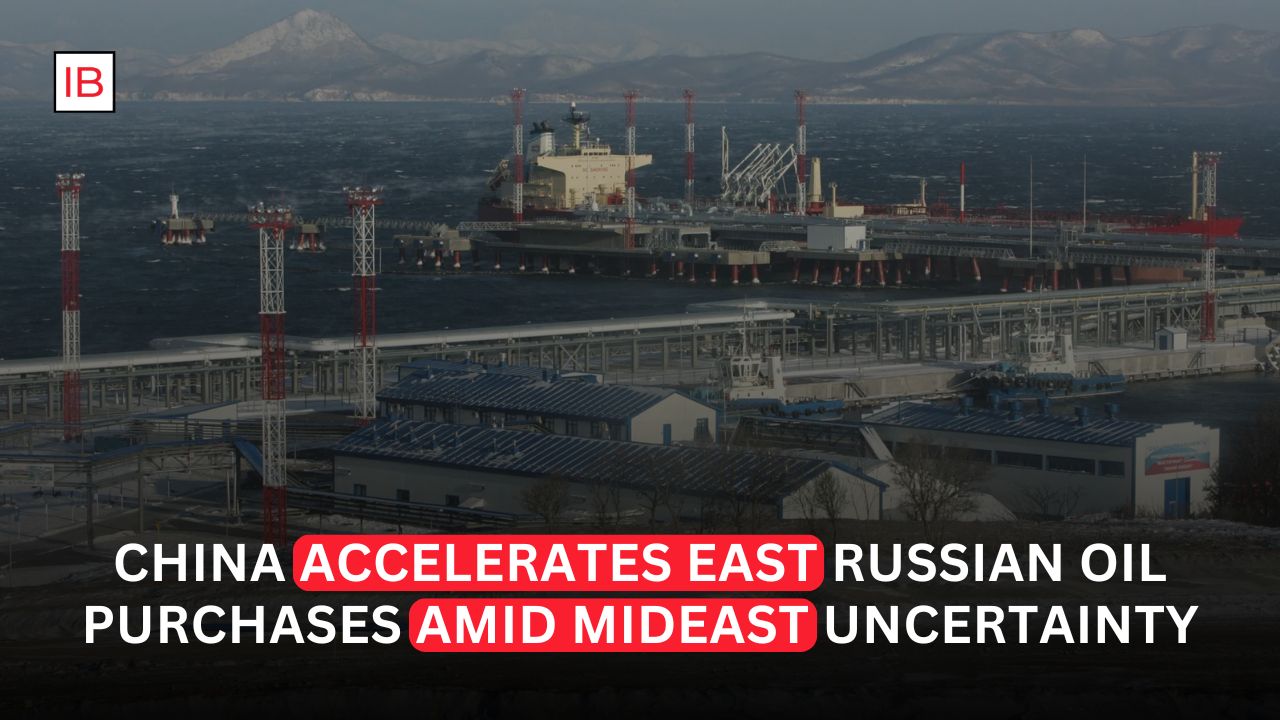
Refiners Turn to Russia’s Far East Crude to Secure Energy Supplies Amid Rising Geopolitical Risks
China has sharply increased imports of crude oil from Russia’s Far East as escalating tensions in the Middle East raise concerns about potential disruptions to global energy supplies. Chinese refiners are moving quickly to secure additional cargoes from eastern Russian ports, viewing them as a reliable alternative while uncertainty surrounding shipping routes and oil exports from the Persian Gulf continues to grow.
The shift highlights how geopolitical instability is reshaping global energy trade. As military tensions in the Middle East intensify and concerns mount over possible disruptions to maritime transport, Chinese buyers are diversifying supply sources to reduce dependence on traditional exporters from the Gulf region.
Russian Oil Gains Strategic Importance
Eastern Russian crude has become increasingly attractive to Chinese refiners because of its geographic proximity and relatively stable supply.
Several factors are driving stronger demand:
- Shorter shipping distances compared with Middle Eastern crude.
- Reliable export infrastructure through Russia’s Far East ports.
- Competitive pricing.
- Lower transportation risks.
- Faster delivery times.
Industry analysts say these advantages have encouraged both state-owned and independent Chinese refiners to increase purchases in recent weeks.
Middle East Risks Reshape Energy Trade
The renewed buying comes as global oil markets remain on edge following heightened conflict across the Middle East.
Key concerns include:
- Potential disruptions to oil exports.
- Increased risks for commercial shipping.
- Higher insurance costs for tankers.
- Possible supply shortages.
- Greater market volatility.
Although global supplies remain adequate for now, energy companies are taking precautionary measures by securing additional cargoes from suppliers viewed as less exposed to regional conflict.
China Strengthens Energy Security
As the world’s largest crude oil importer, China has consistently sought to diversify its energy supply network.
Current priorities include:
- Expanding imports from Russia.
- Maintaining stable long-term contracts.
- Building strategic petroleum reserves.
- Reducing exposure to geopolitical disruptions.
- Improving supply chain resilience.
Officials and refiners view diversification as essential for protecting the country’s economy from sudden changes in global energy markets.
Russian Far East Exports Rise
Russia’s eastern export terminals have become increasingly important since Western sanctions redirected much of the country’s oil trade toward Asia.
Crude shipped from ports such as Kozmino has gained popularity among Asian buyers because of:
- High-quality ESPO crude.
- Efficient logistics.
- Strong refining margins.
- Consistent export volumes.
Chinese refiners remain among the largest buyers of these shipments, with additional demand emerging whenever geopolitical risks affect competing supply routes.
Impact on Global Oil Markets
The increase in Chinese purchases has contributed to tighter availability of Russian Far East crude, supporting higher prices for certain grades.
Energy analysts believe continued demand could:
- Push regional crude premiums higher.
- Increase competition among Asian buyers.
- Influence global benchmark prices.
- Encourage further adjustments in international trade flows.
Oil markets continue to respond rapidly to developments in both the Middle East and Russia as traders assess future supply risks.
Looking Ahead
China’s accelerated purchases of East Russian oil demonstrate how geopolitical uncertainty continues to reshape global energy markets. By increasing imports from Russia’s Far East, Chinese refiners are seeking greater supply security while reducing exposure to potential disruptions in the Middle East.
If tensions in the region persist, analysts expect China to maintain elevated purchases from alternative suppliers, reinforcing Russia’s growing role in Asia’s energy market. The changing trade patterns underscore the increasing importance of diversification as countries adapt to a more uncertain geopolitical and economic environment.