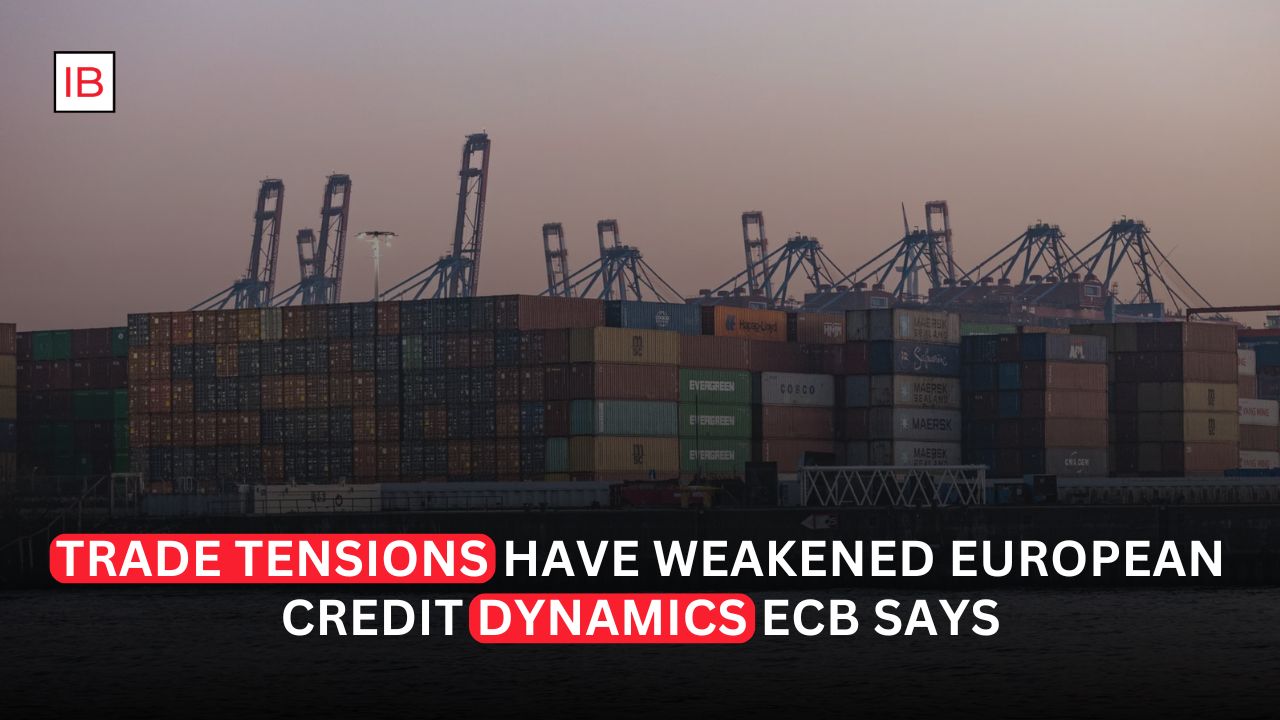
Central Bank Says Rising Global Trade Frictions Are Increasing Risks for Lending, Investment and Economic Growth
The European Central Bank (ECB) has warned that escalating global trade tensions are beginning to weigh on Europe’s credit markets, increasing pressure on businesses, banks, and borrowers across the euro area.
According to the ECB, uncertainty surrounding international trade is weakening credit dynamics by reducing business confidence, discouraging investment, and making lenders more cautious as geopolitical and economic risks continue to rise.
Trade Uncertainty Weighs on Credit Markets
The ECB said persistent trade disputes are creating a more challenging environment for financial institutions and borrowers.
The main concerns include:
- Slower corporate borrowing
- Reduced business investment
- Weaker credit demand
- Higher financing uncertainty
- Increased market volatility
Officials warned that prolonged uncertainty could continue to dampen lending activity across the euro area.
Businesses Delay Investment Decisions
Companies are becoming more cautious as they assess the impact of tariffs, trade barriers, and geopolitical uncertainty.
Businesses are increasingly focused on:
- Preserving cash flow
- Delaying expansion plans
- Reducing capital expenditure
- Managing supply-chain risks
- Controlling financing costs
The ECB noted that these trends could slow economic activity if trade tensions persist.
Banks Tighten Lending Standards
Financial institutions are also becoming more selective when extending credit.
Banks are paying closer attention to:
- Borrower credit quality
- Sector-specific risks
- Loan pricing
- Default probabilities
- Economic outlook
Tighter lending standards could make financing more difficult for businesses, particularly those exposed to international trade.
Financial Stability Risks Increase
The ECB believes growing geopolitical and trade-related uncertainty could amplify risks to Europe’s financial system.
Areas being closely monitored include:
- Corporate debt levels
- Commercial real estate exposure
- Credit market resilience
- Bank profitability
- Market liquidity
Officials stressed that Europe’s banking sector remains resilient but should remain prepared for further external shocks.
ECB Continues Cautious Policy Approach
Despite the weaker credit outlook, the ECB continues to emphasize a data-dependent approach to monetary policy.
Policymakers are monitoring:
- Inflation
- Economic growth
- Lending activity
- Labor market conditions
- Energy prices
Recent comments from ECB officials indicate they remain vigilant as geopolitical developments continue to influence inflation and financial conditions.
Investors Watch Europe’s Economic Outlook
Market participants are closely following the ECB’s assessment as they evaluate the potential impact of trade tensions on Europe’s economy.
Investors are monitoring:
- Corporate earnings
- Credit markets
- Bond yields
- Banking sector performance
- Future ECB policy decisions
The central bank’s warning suggests that trade uncertainty remains an important risk to Europe’s medium-term economic outlook.
Looking Ahead
The ECB’s latest assessment highlights how rising trade tensions are beginning to weaken credit conditions across Europe by reducing business confidence and slowing investment activity. While the euro area’s financial system remains resilient, policymakers believe prolonged uncertainty could place additional pressure on lending, economic growth, and financial stability.
The ECB is expected to continue closely monitoring credit markets and broader economic developments as global trade risks and geopolitical uncertainty evolve.