Investors Reassess Technology Stocks as Russia, Europe and Hedge Funds Shape Market Outlook
Global financial markets are entering a new phase where company fundamentals are becoming more important than broad AI enthusiasm, according to Reuters columnist Mike Dolan. The latest market analysis highlights three major themes influencing investors: Russia’s economic vulnerabilities, the return of stock-picking strategies, and Europe’s growing geopolitical ambitions.
Russia Faces Pressure Despite Energy Wealth
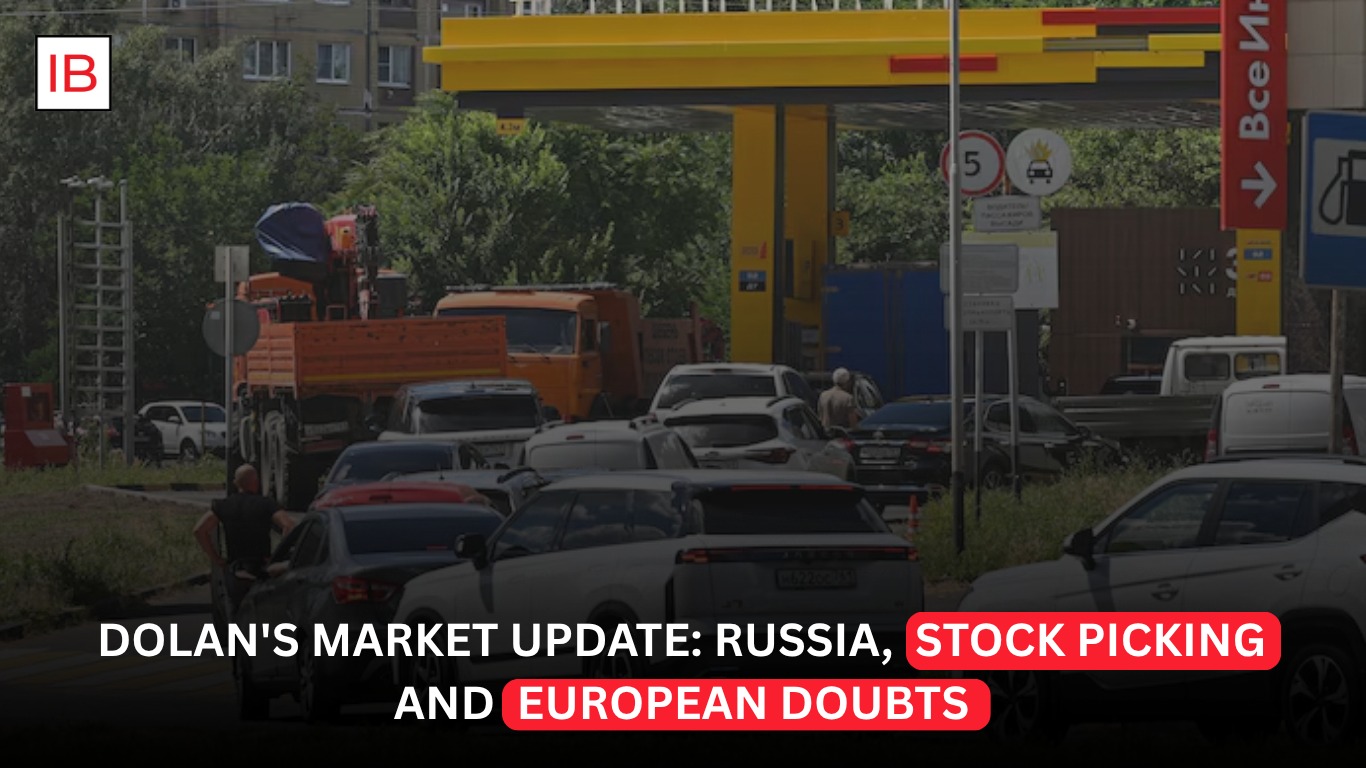
Although Russia remains one of the world’s largest energy exporters, its domestic economy is experiencing growing strain.
According to the analysis:
- Ukrainian attacks have disrupted parts of Russia’s energy infrastructure.
- Domestic fuel shortages have become more noticeable.
- Russia has increased fuel imports from countries such as India and Kazakhstan.
- Rising economic pressure is contributing to public dissatisfaction.
These developments suggest that energy production alone is no longer shielding Russia from the broader economic consequences of the ongoing conflict.
Stock Pickers Outperform as Markets Become More Selective
One of the strongest trends emerging this year is the return of active stock selection.
Reuters notes that fundamental long/short hedge funds delivered approximately 18% returns during the latest quarter, their strongest performance on record.
Several factors contributed to this success:
- Technology stocks no longer move in the same direction.
- AI-related winners and losers are becoming easier to distinguish.
- Investors are paying closer attention to earnings and valuations.
- Overvalued companies are increasingly facing selling pressure.
This marks a shift from previous periods when nearly every AI-related company benefited from broad investor enthusiasm.
AI Rally Enters a More Mature Stage
The AI investment boom remains an important market theme, but analysts believe investors are becoming far more selective.
Instead of buying the entire technology sector, investors are increasingly evaluating:
- Revenue growth
- Profitability
- Competitive advantages
- Long-term business fundamentals
Recent declines in several semiconductor companies demonstrate that high expectations alone are no longer enough to support elevated share prices.
Europe Faces Strategic Turning Point
Reuters also highlights Europe’s changing geopolitical position.
As global tensions increase, policymakers are debating whether Europe should strengthen its role as both an economic and military power.
The discussion includes:
- Higher defense spending
- Greater strategic independence
- Stronger industrial investment
- Expanded European cooperation
Economists argue that Europe possesses the economic resources to become a more influential global player if it coordinates policy more effectively.
Defense Spending Raises Economic Questions
While increased military investment may improve security, analysts caution that it could also create economic trade-offs.
Potential concerns include:
- Reduced investment in productive industries
- Higher government borrowing
- Pressure on public finances
- Slower long-term economic growth
Finding the right balance between national security and economic competitiveness remains a key challenge for European governments.
Investors Prepare for a Different Market Environment
The report suggests global markets are transitioning away from a period dominated by broad optimism toward one driven by company-specific performance.
Investors are increasingly focusing on:
- Corporate earnings
- Cash flow generation
- Valuation discipline
- Geopolitical risks
- Economic resilience
This environment may favor active investment strategies over simply following major market trends.
Looking Ahead
Reuters concludes that global markets are becoming increasingly complex, with geopolitics, economic policy, and corporate fundamentals all playing larger roles in investment decisions.
While artificial intelligence continues to reshape industries, investors are no longer treating every AI-related company equally. Instead, attention is shifting toward identifying businesses capable of translating technological innovation into sustainable long-term profits.
At the same time, Europe’s evolving strategic role and Russia’s economic challenges are adding new dimensions to the global investment landscape, suggesting that the second half of the year may be defined as much by political developments as by corporate earnings.