Investors Await Key Labor-Market Figures While Geopolitical Optimism Lifts Market Sentiment
U.S. stock futures moved higher on Friday as investors weighed improving sentiment around the Iran situation against expectations for a closely watched U.S. employment report. The gains came as President Donald Trump pointed to progress in discussions involving Iran, offering markets a potential reduction in geopolitical risk just as investors prepared for fresh labor-market data that could influence the Federal Reserve’s next policy decisions.
The combination of easing geopolitical concerns and anticipation surrounding the jobs report created a cautious but positive tone across financial markets. Investors were looking for evidence that the U.S. economy remains resilient while also assessing whether slowing employment conditions could increase the likelihood of monetary easing later in the year.
Futures Point Higher
Contracts tied to major U.S. equity indexes advanced before the opening bell.
Investors were particularly focused on:
- S&P 500 futures.
- Nasdaq 100 futures.
- Dow Jones Industrial Average futures.
The positive tone reflected improved risk appetite as traders assessed developments involving Iran alongside expectations for the latest U.S. employment figures.
Iran Developments Improve Sentiment
Trump’s comments suggesting progress with Iran provided a boost to investor confidence.
Markets often react quickly to changes in geopolitical risk because conflict involving major energy-producing regions can affect:
- Oil prices.
- Inflation expectations.
- Global trade.
- Corporate costs.
- Investor risk appetite.
Any indication that tensions could ease therefore has the potential to support equities while reducing concerns about another energy-driven inflation shock.
Jobs Data Remains the Main Focus
Despite the geopolitical developments, investors were primarily waiting for the U.S. jobs report.
The labor-market figures were expected to provide important information about the health of the economy and the direction of Federal Reserve policy.
Key indicators included:
- Nonfarm payroll growth.
- Unemployment.
- Wage growth.
- Labor-force participation.
- Revisions to previous employment figures.
Investors were particularly interested in whether hiring momentum was continuing to weaken.
Federal Reserve Expectations
The jobs report has become increasingly important for monetary-policy expectations.
A weaker labor market could strengthen arguments for interest-rate cuts, while stronger-than-expected employment could encourage Federal Reserve officials to remain cautious.
Markets therefore closely track employment data because it can influence expectations for:
- Treasury yields.
- The U.S. dollar.
- Equity valuations.
- Future interest rates.
Technology Stocks Remain Important
Technology shares remained an important driver of the broader market.
Investors continue to focus heavily on artificial intelligence, semiconductor demand, cloud infrastructure, and corporate spending on technology.
Strong technology earnings and expectations for continued AI investment have helped support major equity indexes, although high valuations have also made the sector sensitive to changes in interest-rate expectations.
Oil Prices Under Watch
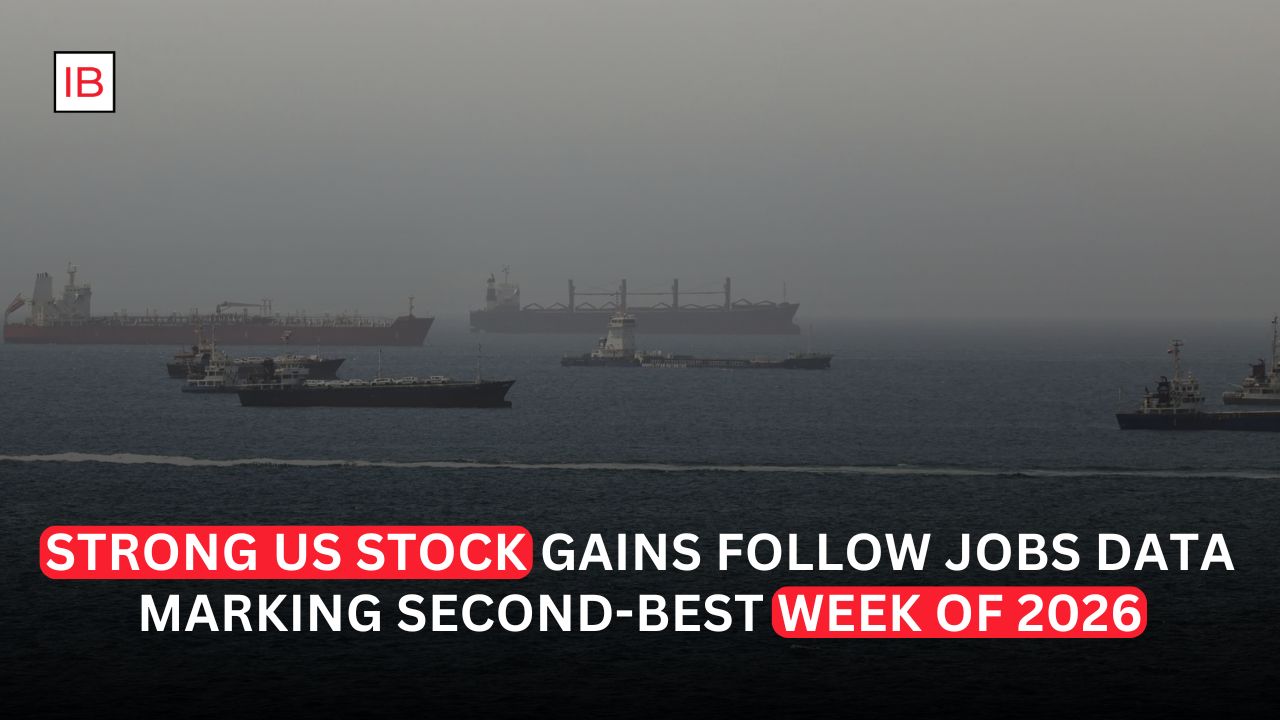
Developments involving Iran also kept energy markets in focus.
Iran is a major oil-producing country and sits near the strategically important Strait of Hormuz, making geopolitical developments particularly important for crude prices.
Lower geopolitical tensions could reduce the risk premium embedded in oil prices, potentially easing inflation concerns for consumers and businesses.
Investors Balance Multiple Risks
Markets are currently navigating several competing forces.
Positive factors include:
- Strong corporate earnings.
- Continued AI investment.
- Potential easing of geopolitical tensions.
- Expectations of future monetary easing.
Risks include:
- Weakening employment.
- Persistent inflation.
- High equity valuations.
- Trade uncertainty.
- Geopolitical instability.
This combination has kept investors highly sensitive to incoming economic and political news.
Looking Ahead
The rise in U.S. stock futures reflects a market attempting to balance geopolitical optimism with uncertainty surrounding the American economy. Trump’s comments about progress with Iran helped improve risk sentiment, while investors remained focused on the jobs report for clues about whether the labor market is cooling enough to influence Federal Reserve policy.
The employment data could have significant implications for markets. A weaker report could strengthen expectations for interest-rate cuts and potentially support growth-sensitive stocks, while stronger employment could push Treasury yields higher and reduce expectations for rapid monetary easing.
With geopolitical developments, inflation, interest rates, and economic growth all influencing investor decisions, markets are likely to remain highly responsive to incoming data and policy signals in the weeks ahead.