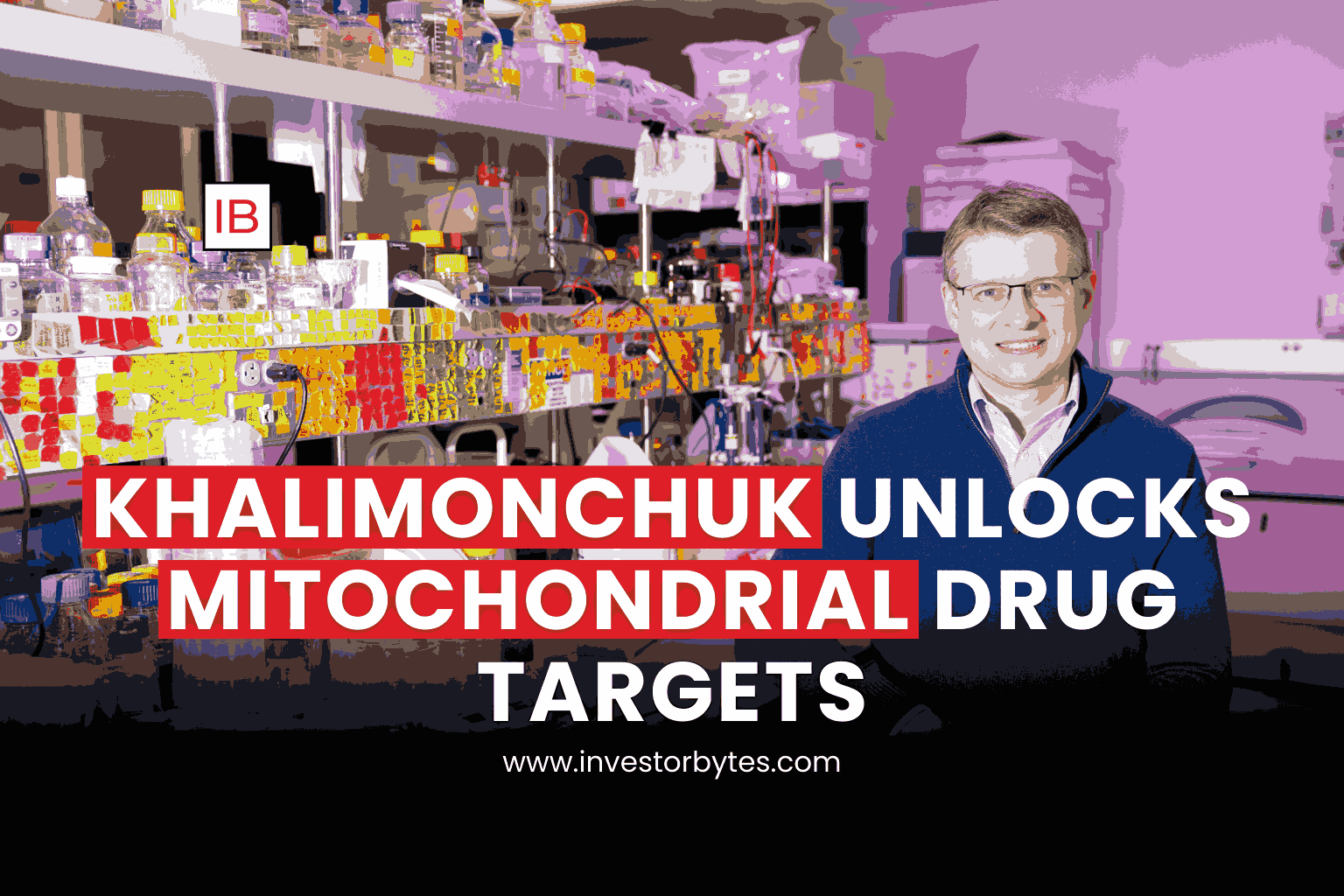
In a significant advancement for precision oncology, Oleh Khalimonchuk, Willa Cather Professor of Biochemistry at the University of Nebraska–Lincoln, has secured a $2 million NIH grant renewal to decode the “mitochondrial mysteries” behind aggressive cancers and neurodegenerative diseases.
As of February 2, 2026, the Khalimonchuk lab is moving beyond basic biological observation into active clinical partnerships, aiming to turn mitochondrial “quality control” systems into powerful therapeutic triggers.
The Targets: OMA1 and CLPP
The research focuses on two critical mitochondrial proteases (proteins that act as “molecular scissors”) that regulate the health and survival of the cell’s powerhouse.
CLPP (Caseinolytic Protease P): In healthy cells, CLPP maintains protein quality. However, researchers discovered that “hyperactivating” this protease can selectively kill cancer cells by degrading their respiratory chain proteins—effectively starving the tumor from the inside out.
OMA1: This protein is a key responder to cellular stress. Khalimonchuk’s team found that low levels of OMA1 correlate with poor survival in breast cancer patients. Paradoxically, activating OMA1 can trigger molecular cascades that halt the progression of metastatic cells.
Bridging the Lab to the Clinic
What makes the 2026 phase of this research unique is its transition into pharmaceutical partnerships and clinical trials.
| Collaboration | Strategic Goal |
| UNMC Partnership | Working with Paul Trippier to evaluate OMA1 and CLPP as specific drug targets for Triple-Negative Breast Cancer (TNBC). |
| Pharma Partnership | Collaborating with a firm in North Carolina’s Research Triangle on clinical trials for a drug originally designed for lymphoma. |
| Radiotherapy Boost | Partnering with Rebecca Oberley-Deegan (UNMC) to see if mitochondrial manipulation can improve the effectiveness of radiotherapy. |
Why Mitochondrial Failure Matters
Mitochondrial malfunctions are linked to more than 150 human disorders, including Alzheimer’s, Parkinson’s, and Lou Gehrig’s disease (ALS).
The “Nitty-Gritty” Science: Khalimonchuk emphasizes that while flashy tech often fails, understanding the fundamental molecular pathways is the key to life-saving treatments.
Triple-Negative Breast Cancer: A primary focus of the lab is finding ways to overcome resistance to standard therapies in TNBC, one of the most difficult-to-treat forms of cancer.
“I’ve been in the business long enough to have witnessed several big new technologies that don’t ultimately deliver… In the end, getting the nitty-gritty science is really the key.” — Oleh Khalimonchuk, February 2026