Drought, Weak Reservoir Levels, and Strong Summer Demand Increase Pressure on Europe’s Energy Markets
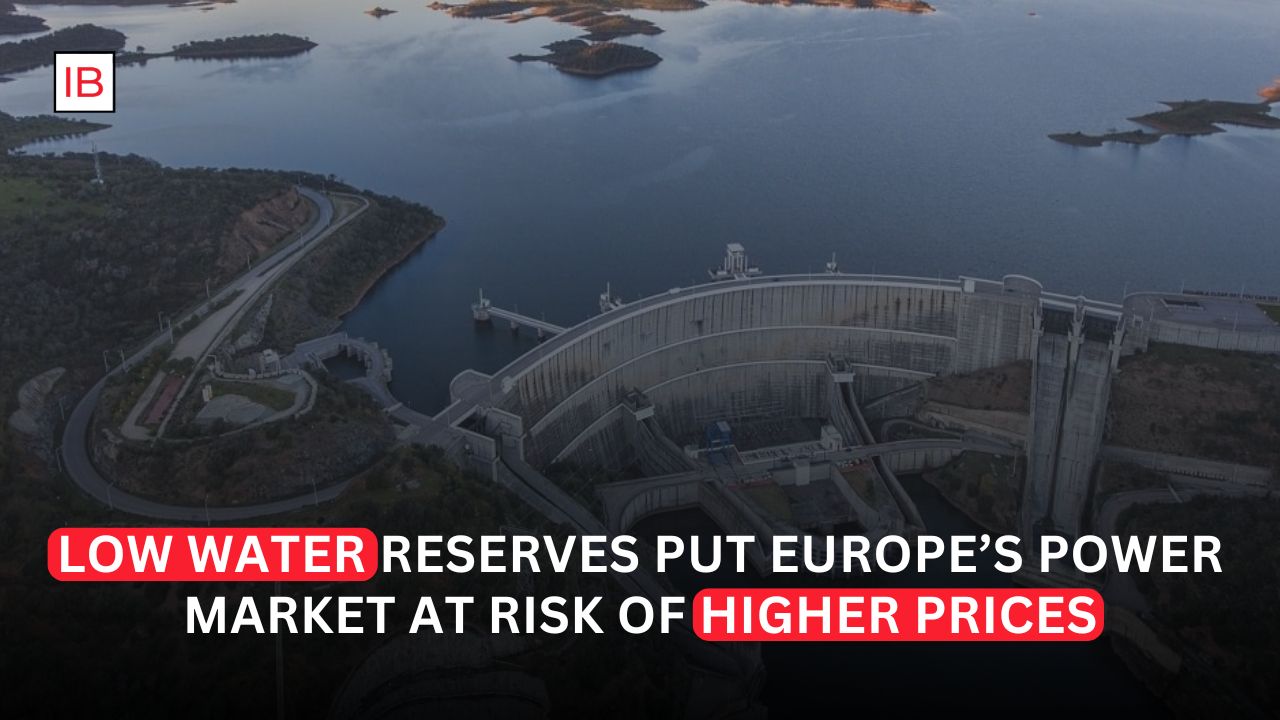
Europe is facing renewed pressure in its electricity markets as low hydropower reserves threaten to keep power prices elevated for months, raising concerns over energy costs for industries, businesses, and households. Hydropower is one of Europe’s largest sources of renewable electricity and plays a crucial role in balancing supply during periods of high demand. However, below-average reservoir levels across several countries have reduced the amount of electricity available from hydroelectric facilities, forcing utilities to rely more heavily on expensive natural gas generation and electricity imports.
The situation follows months of unusually dry weather that has lowered water levels in reservoirs and rivers across parts of Europe. Energy traders and analysts warn that unless rainfall improves significantly before winter, limited hydropower availability could continue tightening electricity supplies during periods of peak demand. The resulting increase in dependence on fossil fuel generation may keep wholesale electricity prices above historical averages well into the colder months, despite continued expansion of renewable energy across the region.
Hydropower Plays a Critical Role
Hydropower remains one of Europe’s most important renewable energy sources.
It provides:
- Reliable baseload electricity.
- Flexible backup generation.
- Grid balancing services.
- Energy storage through reservoirs.
Unlike solar and wind power, hydroelectric plants can rapidly increase or reduce electricity production, making them especially valuable during periods of changing demand.
Lower reservoir levels reduce this operational flexibility.
Dry Weather Reduces Water Supplies
Several European regions have experienced prolonged dry conditions during recent months.
Reduced rainfall has resulted in:
- Lower reservoir storage.
- Falling river levels.
- Reduced hydroelectric output.
- Limited water available for future electricity generation.
Because reservoirs are typically filled during wetter seasons, poor water availability raises concerns not only for current electricity production but also for supply later in the year.
Electricity Prices Come Under Pressure
Reduced hydropower generation increases reliance on more expensive sources of electricity.
Utilities increasingly depend on:
- Natural gas-fired power plants.
- Electricity imports.
- Coal generation in some markets.
Natural gas generally carries higher operating costs than hydropower, contributing to higher wholesale electricity prices throughout European energy markets.
Winter Supply Becomes Key Concern
Energy analysts are increasingly focused on reservoir levels ahead of winter.
Electricity demand normally rises because of:
- Heating requirements.
- Shorter daylight hours.
- Increased industrial energy use.
If reservoirs remain unusually low entering winter, Europe could face tighter electricity supplies during periods of peak consumption.
Renewable Expansion Continues
Despite current challenges, Europe continues investing heavily in renewable energy.
Recent growth has occurred across:
- Wind farms.
- Solar power.
- Battery storage.
- Grid modernization.
However, intermittent renewable generation still depends on flexible backup sources such as hydropower to maintain electricity system stability.
Lower hydro availability therefore reduces one of the system’s most valuable balancing resources.
Industries Face Higher Energy Costs
Elevated electricity prices continue affecting energy-intensive industries.
Higher costs influence sectors including:
- Steel.
- Chemicals.
- Manufacturing.
- Mining.
- Data centers.
Many companies continue monitoring energy markets closely because prolonged price increases may affect production costs and investment decisions.
Governments Monitor Energy Security
European governments continue working to strengthen long-term energy resilience.
Current priorities include:
- Expanding renewable generation.
- Increasing battery storage.
- Improving electricity interconnections.
- Supporting energy efficiency.
These initiatives aim to reduce vulnerability to weather-related supply disruptions while strengthening long-term energy security.
Climate Change Adds Long-Term Challenges
Scientists increasingly warn that climate change may make hydropower generation less predictable.
More frequent:
- Droughts.
- Heatwaves.
- Irregular rainfall.
could affect water availability for electricity generation across parts of Europe.
This has increased interest in diversifying renewable energy sources while improving energy storage technologies.
Looking Ahead
Europe’s unusually low hydropower reserves highlight the growing challenges facing electricity systems that increasingly depend on weather-sensitive renewable energy sources. Reduced reservoir levels have limited hydroelectric generation just as electricity demand remains strong, forcing greater reliance on higher-cost natural gas generation and contributing to elevated wholesale power prices. While continued expansion of wind and solar energy strengthens Europe’s long-term clean energy transition, hydropower remains an essential balancing resource whose availability depends heavily on seasonal weather conditions.
Looking forward, electricity markets will closely monitor rainfall, reservoir recovery, and winter demand as policymakers and utilities work to maintain reliable energy supplies. Continued investment in renewable generation, battery storage, grid modernization, and climate resilience will remain essential for reducing future exposure to weather-driven supply disruptions while supporting Europe’s long-term transition toward a more sustainable and secure energy system.