Activist Investor Pushes for Six Independent Directors After Criticizing Gold Miner’s Performance, Strategy and Governance
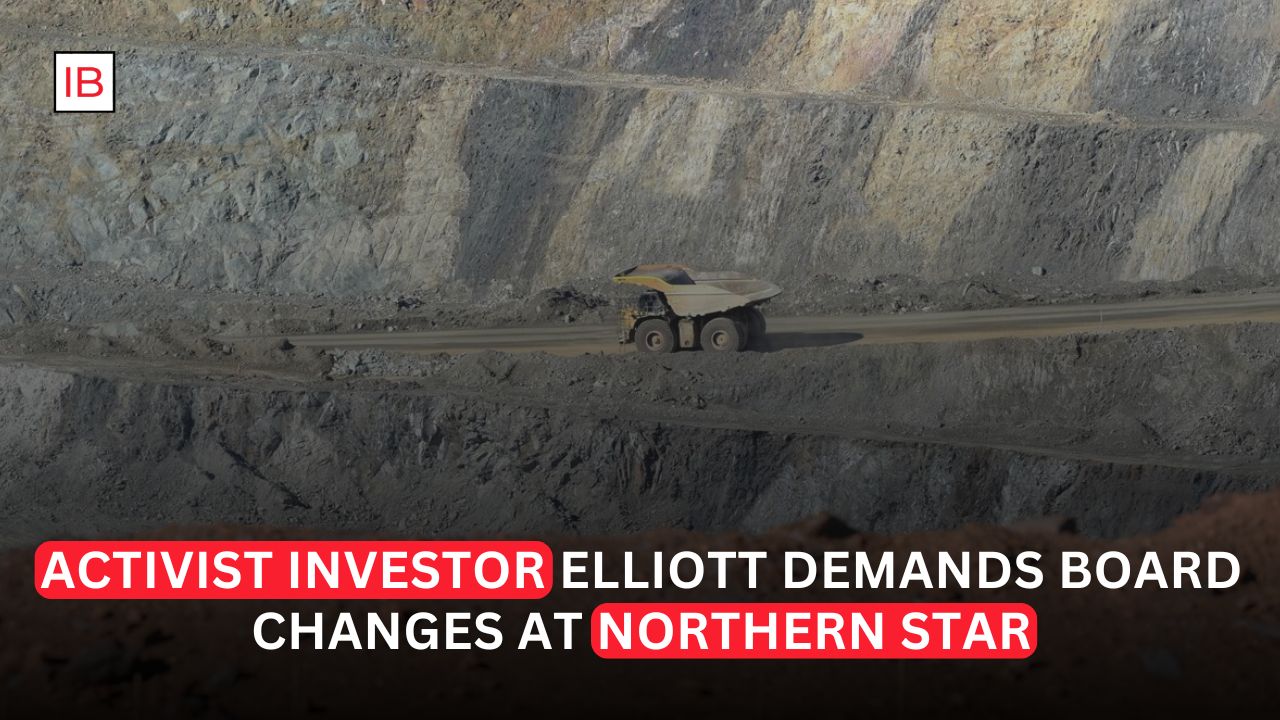
Elliott Investment Management is escalating its campaign at Northern Star Resources, calling for a major overhaul of the Australian gold miner’s board after negotiations between the activist investor and the company failed to produce an agreement.
Elliott has proposed a slate of six independent director candidates and is asking Northern Star shareholders to support the nominees. The move marks a significant escalation in a campaign that began earlier this year with demands for a strategic review and changes aimed at unlocking value from the company’s mining assets.
Elliott manages funds holding an investment of about 5.6% in Northern Star, giving the activist investor a significant position in Australia’s largest gold producer.
Elliott Pushes for Board Changes
The latest campaign centers on Elliott’s argument that Northern Star needs a stronger and more independent board to improve operational performance and restore investor confidence.
The proposed director slate includes mining-industry veterans and executives with experience across major resource companies. Among the candidates is Mark Cutifani, the former chief executive of Anglo American.
Other proposed directors include Susie Corlett, Paul Graves, Mick McMullen, Peter Rozenauers and Graham Shuttleworth. Elliott has emphasized that the nominees are independent and are not affiliated with the hedge fund.
Elliott has also stressed that it is not seeking control of Northern Star’s board. Instead, the investor says the proposed changes are intended to strengthen governance and provide the company with the expertise needed to improve its performance.
Activist Campaign Began With Strategic Review Demand
The board challenge follows Elliott’s earlier call for Northern Star to conduct a comprehensive strategic review.
When Elliott disclosed its stake in June, the activist investor argued that Northern Star had significantly underperformed its peers despite owning what Elliott described as high-quality mining assets.
The fund pointed to repeated operational problems, missed production guidance and inadequate disclosure as evidence that the company was not reaching its potential. Elliott said Northern Star had missed guidance seven times over the previous four financial years, including four separate reductions during the first three months of 2026.
Elliott has argued that assets including KCGM, Hemi and Pogo have substantial value and could perform better under stronger leadership and operational management.
Northern Star Has Already Changed Leadership
The activist campaign comes after significant changes at the top of Northern Star.
The company has appointed Suresh Vadnagra, formerly of Glencore, as its new chief executive. Northern Star had previously announced that Stuart Tonkin would leave the CEO role. The company has also undergone a change in its chairmanship.
Elliott has expressed support for Vadnagra’s appointment but argues that leadership changes alone are not sufficient.
The activist investor believes the new CEO needs a stronger board around him to implement a credible operational and strategic plan.
That position has become a central part of Elliott’s latest campaign.
Elliott Wants a More Comprehensive Strategy
Beyond board changes, Elliott continues to push Northern Star to examine its portfolio and consider alternatives for its assets.
The activist investor has previously called for a strategic review that could include asset sales or other structural changes.
Elliott’s argument is that Northern Star’s valuation does not fully reflect the potential of its mining portfolio.
The fund has highlighted the company’s comparatively low valuation multiples against global gold-mining peers and argues that improved operational performance could substantially increase shareholder value.
The strategy could involve improving existing mines, changing capital allocation priorities or considering whether individual assets would be worth more under different ownership structures.
Northern Star Has Resisted Some Demands
Northern Star’s board has pushed back against Elliott’s calls for an immediate sale process.
The company has previously argued that selling the business or spinning off assets would not necessarily be the best way to create value for shareholders.
Northern Star chairman Michael Chaney has said the company does not believe this is the right time to pursue a sale or separate smaller assets from the broader business.
That disagreement has helped drive the campaign toward the latest board confrontation.
With private discussions failing to resolve the differences, Elliott has now taken its case directly to shareholders.
Gold Prices Provide a Favorable Backdrop
The dispute is unfolding during a period when gold prices have been strong, creating favorable conditions for major gold producers.
That makes Northern Star’s operational performance particularly important.
Elliott argues that the company should be benefiting more fully from the strong gold-price environment and that operational issues have prevented shareholders from receiving the returns that might otherwise have been possible.
The activist investor’s broader thesis is that the value of Northern Star’s assets is not the primary problem. Instead, it believes the company needs better execution, stronger oversight and a clearer capital-allocation strategy.
Investor Pressure Could Increase
The board nominations raise the possibility of a major shareholder battle if Northern Star rejects Elliott’s proposals.
Activist campaigns can put considerable pressure on companies because investors must decide whether existing management and directors or the activist’s proposed strategy offers a better path toward higher returns.
Northern Star will now need to convince shareholders that its leadership changes and existing strategy can deliver stronger results without adopting Elliott’s recommendations.
Elliott, meanwhile, must demonstrate that its proposed directors can provide the expertise and independence needed to improve the company.
Six Candidates Bring Mining Experience
Elliott’s decision to nominate experienced industry figures is designed to strengthen its argument that the campaign is about governance and operational performance rather than simply financial engineering.
The proposed candidates include people with experience in mining, investment, corporate leadership and capital markets.
The inclusion of Cutifani is particularly notable because of his experience running one of the world’s largest diversified mining companies.
Elliott’s choice of candidates suggests it wants shareholders to view the campaign as an effort to create a stronger mining company rather than simply pressure Northern Star into selling assets.
Looking Ahead
The Elliott-Northern Star dispute is entering a more confrontational phase after negotiations failed to produce a compromise.
Elliott is now asking shareholders to support six independent candidates while continuing to demand a comprehensive strategic review and a credible operational plan.
Northern Star, meanwhile, has already begun changing its leadership and may argue that those reforms need time to produce results.
The central question for investors is whether the company’s existing strategy can unlock the value Elliott believes is trapped inside its assets, or whether a more significant board and strategic overhaul is necessary.
With a 5.6% Elliott stake, a new CEO, a newly reshaped leadership structure and six proposed independent directors, Northern Star is facing one of the most significant activist campaigns in Australia’s mining industry.
The outcome could determine not only the composition of Northern Star’s board but also the company’s approach to capital allocation, asset ownership, operational improvement and shareholder returns for years to come.