Geopolitical Tensions Drive Investors Toward Safe-Haven Assets While Energy Prices Spike
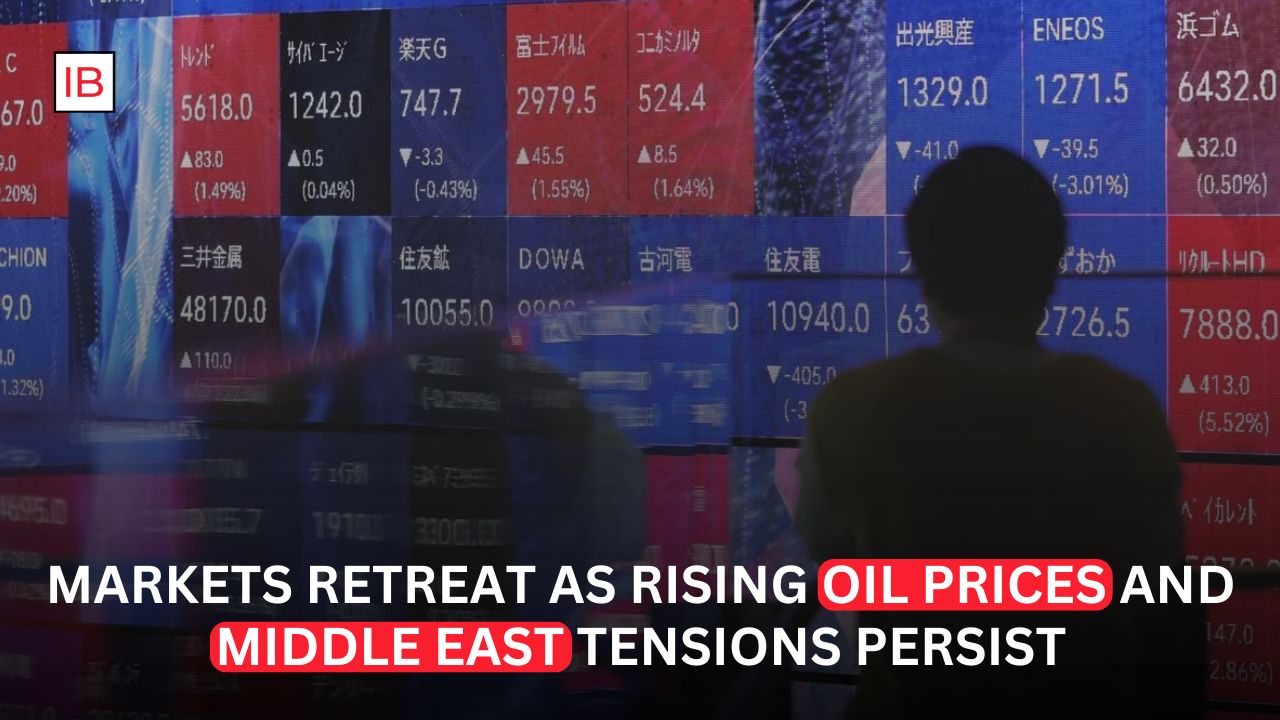
Global financial markets came under renewed pressure after reports of an attack involving Iran intensified geopolitical tensions in the Middle East, sending oil prices sharply higher and setting the stage for declines across Asian stock markets.
Investors reacted by moving away from risk assets and into traditional safe havens, as concerns grew that the latest escalation could threaten energy supplies and disrupt global trade.
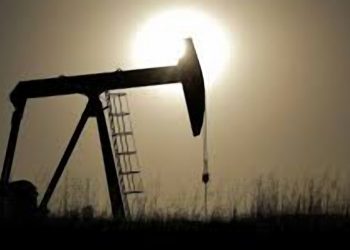
Oil Prices Jump on Supply Concerns
Crude oil recorded strong gains as traders priced in the possibility of supply disruptions from one of the world’s most strategically important energy-producing regions.
The rally was driven by concerns that:
- Middle East tensions could affect crude exports
- Shipping routes may face increased security risks
- Energy markets could experience tighter supply conditions
Higher oil prices immediately boosted shares of energy companies while raising fears about inflationary pressures across the global economy.
Asian Equities Expected to Open Lower
Futures markets pointed toward a weaker start for major Asian stock indexes as investors prepared for increased market volatility.
Markets expected to face pressure included:
- Japan
- Hong Kong
- South Korea
- Australia
Risk-sensitive sectors such as technology, manufacturing, and consumer stocks were expected to bear the brunt of the selloff as investors reassessed geopolitical risks.
Safe-Haven Assets Gain Demand
The renewed uncertainty encouraged investors to rotate into traditional defensive assets.
Safe-haven demand increased for:
- Gold
- U.S. Treasury bonds
- The U.S. dollar
- Japanese yen
This shift reflects a common market pattern during periods of geopolitical instability, when investors seek assets viewed as more resilient during global uncertainty.
Energy Markets Face Renewed Uncertainty
The Middle East remains one of the world’s most critical energy-producing regions, making any escalation particularly important for global commodity markets.
Analysts warned that prolonged tensions could:
- Increase oil price volatility
- Raise transportation and shipping costs
- Push fuel prices higher worldwide
- Complicate inflation control efforts by central banks
Although no immediate disruption to production had been confirmed, traders reacted quickly to the heightened geopolitical risk.
Central Banks Could Face Fresh Inflation Challenge
Rising energy prices may create additional challenges for central banks that have been attempting to balance inflation control with economic growth.
Higher oil prices can influence:
- Consumer inflation
- Transportation costs
- Manufacturing expenses
- Household energy bills
If energy prices remain elevated, policymakers may face greater difficulty determining the pace of future interest rate decisions.
Investors Monitor Middle East Developments
Financial markets are expected to remain highly sensitive to further developments involving Iran and the wider region.
Key areas investors are watching include:
- Diplomatic responses
- Regional military activity
- Shipping conditions in major energy routes
- Government statements from global powers
Any additional escalation could trigger further volatility across commodities, equities, and foreign exchange markets.
Looking Ahead
The latest geopolitical shock highlights how quickly international events can reshape financial markets.
While investors continue monitoring inflation, interest rates, and economic growth, geopolitical risks have once again become a major driver of global asset prices.
Market attention will now focus on whether tensions remain contained or evolve into a broader regional conflict capable of significantly affecting energy supplies and global financial stability.