Massive Electricity Demand From Artificial Intelligence Sparks Race for Long-Term Infrastructure Funding
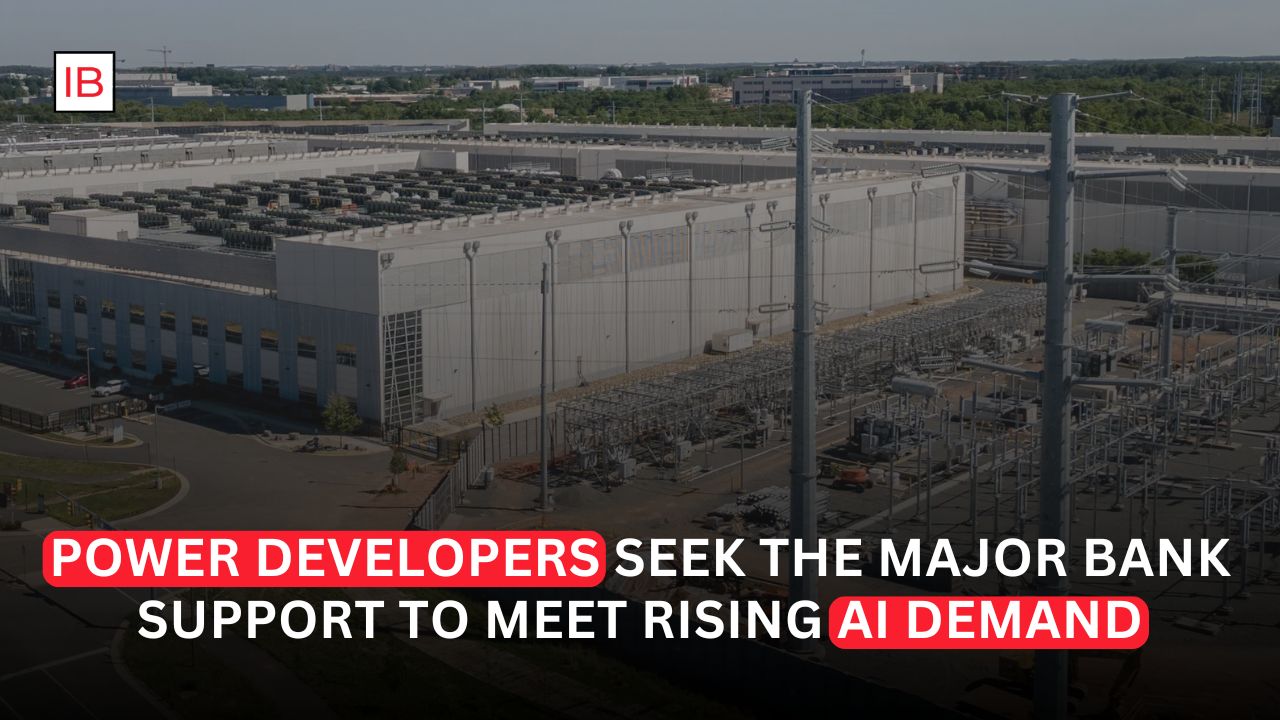
The explosive growth of artificial intelligence is creating an unprecedented wave of investment in power infrastructure, prompting major data center developers to seek billions of dollars in financing commitments from global banks. As AI applications require increasingly powerful computing systems, developers are rapidly expanding data centers while simultaneously investing in electricity generation, transmission networks, and backup energy systems to ensure reliable power supplies.
The scale of AI infrastructure investment has transformed electricity from a supporting operational expense into one of the industry’s most critical strategic priorities. Data center operators now compete not only for advanced AI processors but also for long-term access to energy, leading many companies to negotiate large financing packages that combine traditional construction funding with dedicated capital for power-related infrastructure. Banks, recognizing the long-term growth potential of artificial intelligence, have responded by offering increasingly large lending facilities to support these projects.
AI Creates Unprecedented Electricity Demand
Artificial intelligence workloads consume significantly more electricity than traditional cloud computing.
Large AI data centers require enormous amounts of power for:
- High-performance graphics processors (GPUs).
- AI model training.
- Large language model inference.
- Cooling systems.
- Networking equipment.
- Backup power infrastructure.
Training advanced AI models can require thousands of specialized processors operating continuously for weeks or even months, dramatically increasing electricity consumption compared with conventional enterprise computing.
Industry estimates suggest that AI-related electricity demand could multiply several times over the coming decade as businesses continue adopting increasingly sophisticated machine learning systems.
Banks Expand Infrastructure Lending
Financial institutions have become increasingly willing to finance AI-related infrastructure.
Large lending commitments now support projects involving:
- Data center construction.
- Electricity generation.
- Grid connections.
- Battery storage.
- Renewable energy integration.
- Transmission upgrades.
Rather than funding only server facilities, lenders increasingly recognize that reliable energy infrastructure represents an equally essential component of successful AI deployment.
Many financing agreements therefore combine property development with long-term investments supporting electrical capacity.
Developers Seek Long-Term Power Security
Obtaining sufficient electricity has become one of the industry’s biggest challenges.
Developers increasingly negotiate:
- Long-term utility agreements.
- Renewable power contracts.
- Dedicated substations.
- On-site generation.
- Battery storage.
- Grid expansion partnerships.
Without guaranteed electricity supplies, even completed data centers cannot operate effectively.
As a result, securing power has become almost as important as obtaining financing or acquiring AI hardware.
Utilities Face Growing Pressure
The rapid expansion of AI infrastructure has placed significant pressure on electricity providers.
Utilities across multiple regions are experiencing rapidly growing requests for new connections from data center developers.
Meeting these requirements often requires:
- New transmission lines.
- Larger substations.
- Additional generation capacity.
- Grid modernization.
- Energy storage investment.
Some utilities have reported that proposed AI facilities would consume electricity equivalent to that used by entire cities, highlighting the enormous scale of future demand.
Renewable Energy Plays Important Role
Many technology companies continue emphasizing renewable energy alongside expanding AI capacity.
Developers increasingly invest in:
- Solar farms.
- Wind projects.
- Battery storage.
- Clean energy procurement.
- Carbon reduction initiatives.
While artificial intelligence substantially increases electricity demand, many operators remain committed to reducing long-term carbon emissions by expanding renewable energy usage wherever possible.
These investments also provide greater energy price stability over extended periods.
Global Competition Intensifies
Countries worldwide increasingly compete to attract AI infrastructure investment.
Regions offering:
- Reliable electricity.
- Modern power grids.
- Supportive regulation.
- Available land.
- Skilled workforce.
have become particularly attractive destinations for large-scale data center projects.
Governments increasingly view AI infrastructure as strategically important because it supports economic growth, technological leadership, and national competitiveness.
Technology Investment Continues Accelerating
The surge in financing reflects broader confidence that AI investment will continue expanding rapidly.
Technology companies have announced hundreds of billions of dollars in future spending covering:
- AI chips.
- Cloud infrastructure.
- Data centers.
- Networking equipment.
- Energy systems.
Financial institutions increasingly believe these investments represent long-term structural growth rather than temporary spending cycles.
Consequently, banks have become more willing to provide large financing packages supporting critical AI infrastructure projects.
Looking Ahead
Artificial intelligence is rapidly transforming the economics of global infrastructure investment. As data center developers race to build facilities capable of supporting increasingly advanced AI systems, reliable electricity has become one of the industry’s most valuable strategic assets. This has encouraged companies to seek billions of dollars in bank financing not only for buildings and computing equipment but also for power generation, transmission, and energy security. Financial institutions, recognizing AI’s long-term growth potential, have responded by expanding infrastructure lending to support these capital-intensive projects.
Looking ahead, electricity demand is expected to remain one of the defining challenges of the AI revolution. Continued expansion of data centers will require substantial investment in both digital infrastructure and energy systems, creating significant opportunities across construction, utilities, renewable energy, banking, and technology. As artificial intelligence becomes increasingly central to the global economy, access to dependable, scalable, and sustainable power is likely to become just as important as access to advanced computing hardware itself.