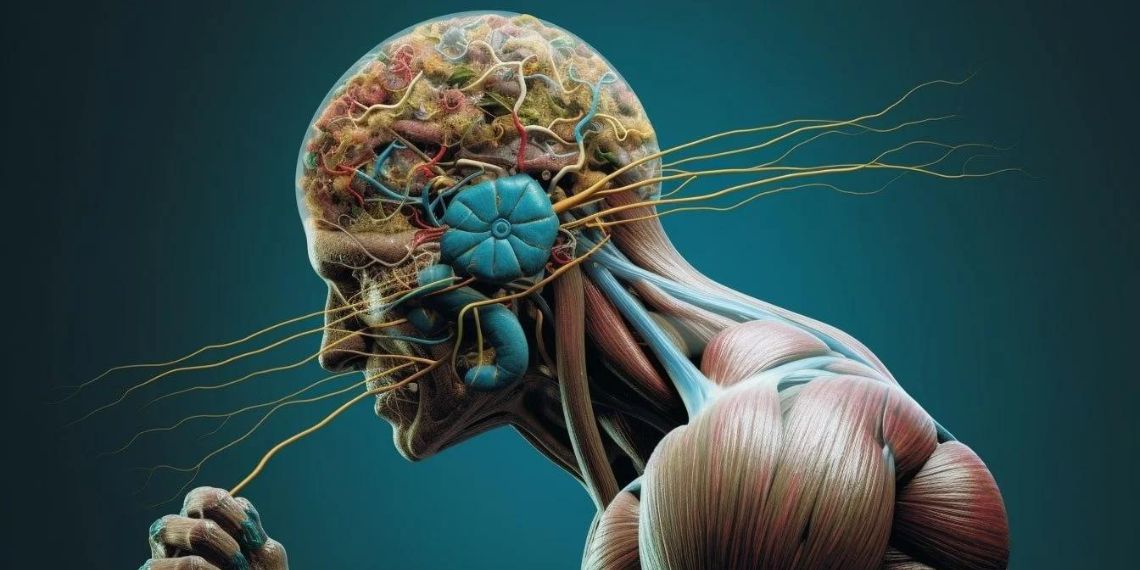
Recent findings in the journal Age Cell provide insight into the possibility of using exercise to either prevent or mitigate the cognitive deterioration that comes with age. According to this study, exercise can dramatically change the gene expression of old microglia, a kind of brain cell, causing them to revert to a younger condition.
People frequently see a deterioration in their cognitive and physical capacities as they get older. Dementia is one such illness that may result from this decline and for which there are currently few viable treatments.
Prior observational research has indicated that physical activity may mitigate certain age-related cognitive impairments; however, the precise processes underlying these advantages have not been well investigated. With a special focus on microglia, the researchers sought to investigate the cellular effects of exercise on the brain to identify possible targets for cognitive decline treatment.
“Regular exercise has numerous positive impacts, including on brain health, as I have personally experienced and witnessed in others. However, the exact mechanism by which exercise brings about these changes is yet unknown. Finding the essential elements of exercise that mediate the positive impacts on the brain and its function would be incredible, according to research author and University of Queensland associate professor Jana Vukovic.
Because of their genetic and physiological similarities to humans, mice are a popular model used by biologists to investigate human biology. This was the case for the study employing mice. Two age groups of female mice were used: young (3 months old) and old (18 months old). The mice were split into two groups: the exercise group (those with access to a running wheel) and the sedentary group (those without). The exercise program included voluntary wheel running for 21 days, interspersed with 14 days off.
Using a method known as single-cell RNA sequencing, the researchers examined how exercise affected the brain. This technique offers a thorough understanding of cellular activity by enabling the measurement of gene expression in individual cells. The hippocampus is a part of the brain that is essential for memory and learning. The researchers carefully examined this region to measure alterations in different cell types, including microglia.
Through their ability to respond to injury and infection, microglia play a crucial role in preserving brain health. Nevertheless, microglia have a propensity to become pro-inflammatory as the brain ages, which may be a factor in cognitive decline. The microglia of old, sedentary mice in this study showed a gene expression profile suggestive of this detrimental, aged state. An elevated immune response that has the potential to harm neurons and other brain cells is consistent with the increased expression of inflammatory genes in these microglia.
Surprisingly, the microglia of elderly mice with frequent voluntary exercise exhibited a gene expression profile like that of young mice. This suggests that exercise can effectively stop microglia from aging by bringing their gene expression back to a more anti-inflammatory, youthful state.
The impact of exercise on brain T cells was one of the study’s other key discoveries. T cells are a kind of immune cell that can lead to inflammation and cognitive loss in the brain when they are present in excessive quantities. The researchers discovered that the brain’s natural aging process causes T cells to proliferate.
However, in older mice, exercise dramatically decreased the amount of T cells in their bodies. This decrease was shown in peripheral organs like the liver in addition to the brain, indicating that exercise has a systemic anti-inflammatory impact that goes beyond the brain.
“It was surprising that the immune cells in the brain responded to exercise the most out of all the different cell types,” Vukovic told PsyPost. The striking impact of exercise on the brain’s T-cell population was also unexpected. Although adult brains do not ordinarily contain T cells, as people age, their numbers seem to rise. T-cell counts decreased after exercising.
The study found alterations in all types of brain cells, while microglia showed the most notable impacts of exercise. Exercise also changed the gene expression profiles of oligodendrocytes, endothelial cells, and astrocytes; however, these modifications were not as significant as those observed in microglia.
Aged mice that exercised demonstrated signs of reduced inflammation and enhanced function from both oligodendrocytes, which form the myelin coating that insulates nerve fibers, and astrocytes, which promote neuronal health and function. This implies that physical activity promotes general brain health by having a wide range of positive effects on many types of brain cells.
The active place avoidance task, a behavioral test that gauges spatial learning and memory, was used to illustrate the cognitive advantages of exercise. On this challenge, aged mice with access to a running wheel outperformed their sedentary counterparts by a significant margin, suggesting that exercise can enhance cognitive performance even in the aging brain. The renewal of microglia and the decrease in brain inflammation, in particular, were among the cellular and molecular alterations that were probably responsible for this improvement in cognitive function.
“Our research offers additional proof and illustrates how exercise alters the brain’s cellular makeup,” Vukovic stated. “Learning and memory are improved when the immune landscape in the aging brain is changed to a more youthful state through exercise.”
The research provides encouraging proof that exercise can prevent age-related alterations in the brain, especially by regenerating microglia. The results provide fresh insights into how physical activity can support cognitive health and pave the way for the development of therapies aimed at halting or delaying cognitive aging.
“We have shown that it is possible to reverse some of the negative aspects of aging on the brain and thereby improve cognitive performance,” Vukovic stated, adding that encouraging older people to exercise is one of the goals. “Finding methods and therapies to help elicit the positive effects of exercise on the brain in those who are bedridden or unable to exercise” is one of the other long-term goals.
The authors of the article, “Exercise Rejuvenates Microglia and Reverses T Cell Accumulation in the Aged Female Mouse Brain,” are Quan Nguyen, Marc J. Ruitenberg, Sonia Shah, Jana Vukovic, Emily F. Willis, Laura Grice, Samuel B. R. Harley, Joseph E. Powell, and Naomi R. Wray.