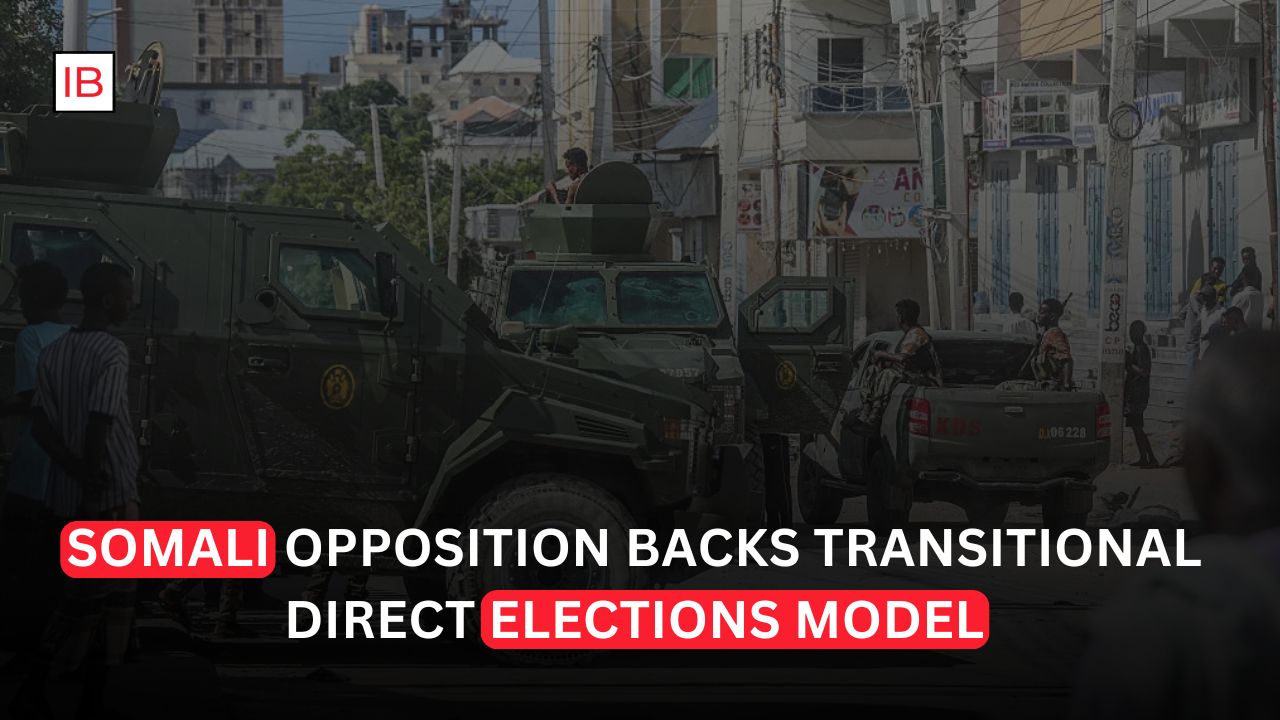
Proposal Aims to Bridge Divisions Over Somalia’s Electoral Future. Somalia’s opposition alliance has endorsed a new transitional direct elections model, presenting it as a compromise solution to the country’s ongoing dispute over how future elections should be conducted.
The proposal was unveiled by the Somali Future Council, a coalition that includes opposition leaders as well as representatives from Puntland and Jubaland. The group says the model is designed to balance public demands for direct voting with the need to preserve Somalia’s existing political power-sharing arrangements during a transitional period.
Opposition Calls for Consensus-Based Approach
According to the alliance, the proposed framework seeks to create a path toward direct elections while avoiding further political polarization.
The council described the initiative as an attempt to build broad agreement among Somalia’s political stakeholders and urged all sides to engage in dialogue over the country’s electoral future. Opposition leaders also called on the federal government to pause the current electoral process until a mutually accepted framework can be established.
Electoral Debate Intensifies
The proposal comes amid growing tensions between Somalia’s federal government and opposition groups over plans to move from the country’s traditional indirect electoral system toward direct voting.
President Hassan Sheikh Mohamud’s administration has pushed for broader direct elections, arguing that Somalia should transition toward a one-person, one-vote system after decades of clan-based indirect voting. Recent local elections in Mogadishu and South West State were promoted by the government as important steps toward that goal.
However, opposition leaders have argued that the current process lacks sufficient political consensus and could create further instability if implemented without agreement among key stakeholders.
Details to Be Presented Later
While the opposition alliance has announced the broad outline of its transitional model, it has not yet released full details regarding how the system would operate.
The Somali Future Council said additional information, including implementation mechanisms and guiding principles, will be presented during future political consultations. The group maintains that the framework could serve as a middle ground between advocates of immediate direct elections and supporters of the existing indirect system.
Direct Voting Remains a Sensitive Issue
The debate over direct elections has become one of the most significant political issues in Somalia.
Supporters argue that direct voting would strengthen democratic participation and reduce the influence of elite political bargaining. Critics, however, warn that security concerns, institutional weaknesses and political divisions must be addressed before nationwide direct elections can be successfully implemented.
The disagreement has contributed to broader tensions between the federal government and several regional administrations, complicating efforts to build consensus ahead of future national elections.
Search for Political Compromise Continues
Analysts say the opposition’s proposal reflects growing recognition that a negotiated solution may be necessary to avoid a deeper political crisis.
Whether the federal government embraces the transitional model remains unclear, but the initiative is likely to become a central topic in upcoming discussions between Somali political leaders. Supporters hope it can provide a roadmap toward more inclusive elections while preserving political stability during the transition period.
Future of Electoral Reform at Stake
With disagreements continuing over the structure and timing of future elections, Somalia faces a critical moment in its democratic development.
The success of any electoral reform effort will likely depend on the ability of political leaders to reach a compromise that balances demands for direct representation with concerns about security, governance and national unity. For now, the opposition’s transitional direct elections model has added a new dimension to one of the country’s most important political debates.