Investors Pay Record Prices to Chase Technology Market Gains
Investors are paying the highest premiums for bullish options on technology stocks relative to the broader U.S. stock market since 2007, highlighting the intense optimism surrounding artificial intelligence despite growing concerns about lofty valuations.
The surge in call option prices reflects continued confidence that leading technology companies will remain the primary drivers of stock market gains. At the same time, the unusually expensive options suggest traders are willing to pay increasingly high prices for exposure to further upside in AI-related stocks.
What Are Call Options?
Call options give investors the right—but not the obligation—to buy a stock at a predetermined price before a specified expiration date.
They are commonly used by traders who expect share prices to rise. When demand for call options increases, premiums become more expensive, often signaling strong bullish sentiment.
The current pricing indicates that investors are aggressively positioning for additional gains in major technology companies despite recent market volatility.
AI Boom Continues to Drive Investor Enthusiasm
Artificial intelligence remains the dominant investment theme across global financial markets.
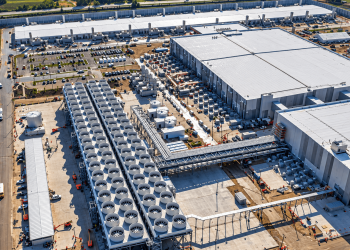
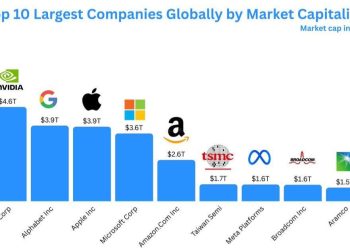
Massive spending by companies such as Microsoft, Alphabet, Amazon, and Meta on AI infrastructure has fueled strong earnings expectations for semiconductor manufacturers, cloud computing providers, and software companies. These investments have helped propel technology stocks to record valuations over the past two years.
Although some AI-related stocks have experienced recent pullbacks, long-term optimism about the sector remains largely intact.
Options Market Reflects Growing Confidence
The sharp increase in call option premiums suggests many investors believe technology stocks still have room to climb.
Options traders are often among the most active participants during strong market trends because derivatives allow them to gain leveraged exposure with relatively small upfront investments.
The willingness to pay record prices for bullish contracts reflects expectations that AI-driven earnings growth could continue supporting higher share prices.
Expensive Options Also Signal Higher Risk
While elevated option prices indicate optimism, they also reflect increased uncertainty.
When implied volatility rises, option premiums become more expensive because markets anticipate larger future price swings. Investors purchasing these contracts must see substantial gains in the underlying stocks to generate profits after accounting for higher premiums.
Analysts note that historically elevated option prices can sometimes signal overcrowded positioning, making markets more vulnerable to sharp corrections if expectations are not met.
Technology Stocks Remain Market Leaders
The technology sector continues to account for a significant share of gains in major U.S. equity indexes.
Companies benefiting from AI-related demand—including semiconductor producers, cloud service providers, and software developers—have been among the strongest performers. Their rapid growth has made technology the largest and most influential sector within the S&P 500 and Nasdaq indexes.
This concentration has increased the importance of tech earnings and AI investment trends for the overall market.
Investors Closely Watch Earnings Season
With technology valuations already elevated, upcoming corporate earnings reports are expected to play a crucial role in determining whether the rally can continue.
Investors will be looking for evidence that companies are successfully converting heavy AI investments into sustained revenue and profit growth. Strong earnings could justify current valuations, while disappointing results may trigger renewed volatility.
Many analysts believe the next phase of the AI investment cycle will depend less on optimism and more on measurable financial performance.
Looking Ahead
The record-high cost of bullish technology options illustrates just how strongly investors continue to believe in the long-term potential of artificial intelligence.
However, expensive option premiums also highlight the growing risks associated with elevated expectations. As markets move deeper into the AI investment cycle, corporate earnings, interest-rate policy, and infrastructure spending will likely determine whether today’s optimism translates into another leg higher—or whether investors begin reassessing the sector’s rich valuations.
For now, technology remains at the center of global equity markets, with options traders signaling that confidence in the AI revolution is still running high.