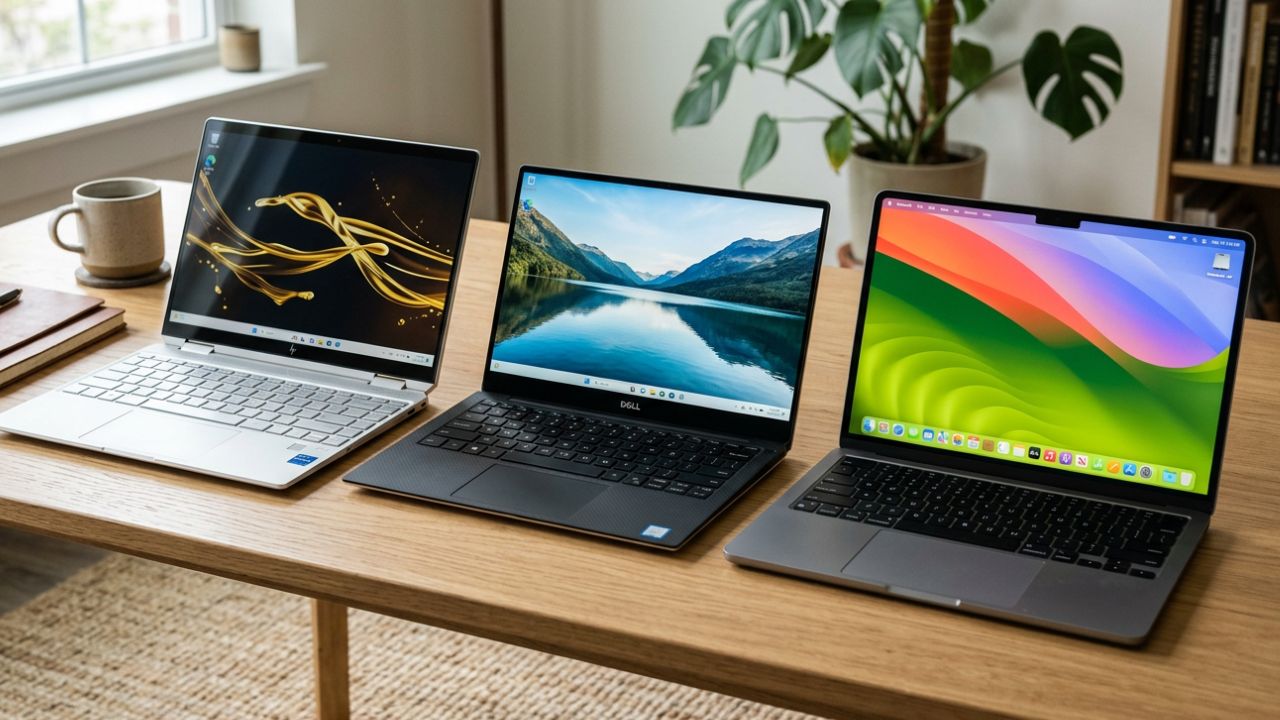
Choosing a laptop starts long before you compare specs. It starts with the brand. Every major manufacturer builds a different kind of trust, whether that means reliability, raw performance, or design that just feels good in daily use. In 2026, the laptop market has never had more strong options across every price range. That is exactly why a list of the top 10 laptop brands matters more than ever this year. Below are the ten brands shaping the industry this year, ranked by reputation, build quality, and how well they serve everyday buyers. If you are trying to decide who to trust with your next purchase, this rundown of the top 10 laptop brands should make the choice much easier.
Key Factors That Define a Great Laptop Brand
A strong laptop brand earns trust through consistency, not a single standout model. Build quality matters first, since a laptop that survives daily wear holds its value far longer. Software support comes next, because timely updates and driver stability keep a machine usable for years. Customer service also plays a bigger role than most buyers expect, especially when repairs or warranty claims come up. Finally, innovation keeps a brand relevant, whether through better batteries, lighter chassis designs, or smarter thermal systems. Every name on this top 10 laptop brands list earns its place by balancing these factors rather than winning on a single feature.
1. Apple
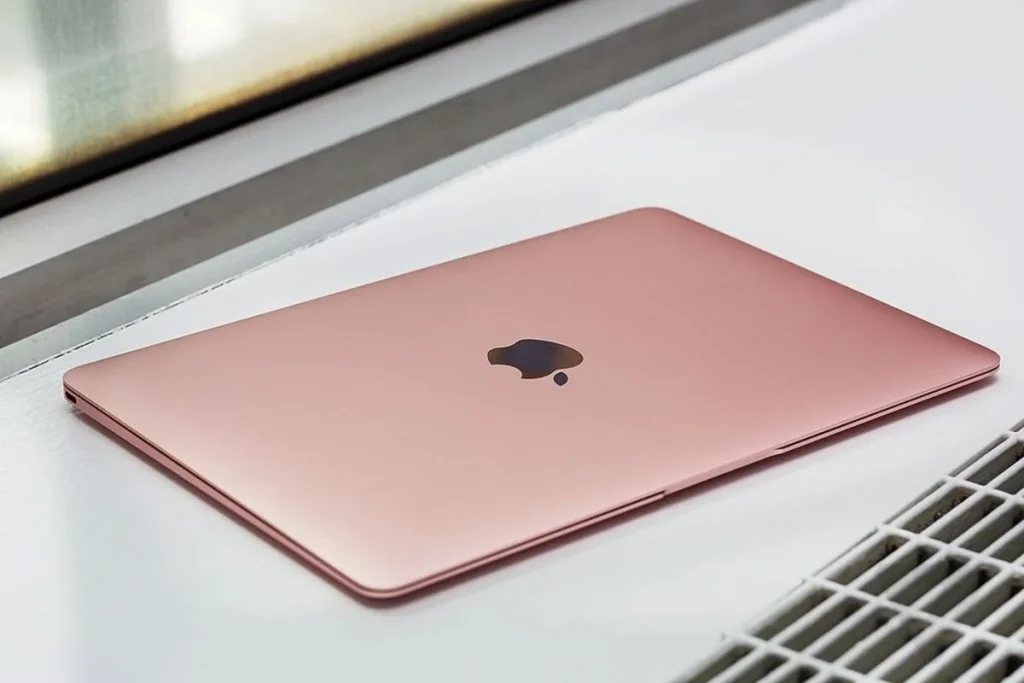
Apple continues to set the pace for premium laptops, which is why it opens nearly every top 10 laptop brands ranking without argument. Its MacBook lineup pairs Apple Silicon with tight software integration that few competitors can match. Build quality remains excellent across the range, and resale value stays higher than almost any other brand. Apple laptops suit creative professionals, students, and everyday users who want a smooth, reliable experience.
Known For: Apple Silicon performance, macOS integration, premium build quality
| Pros | Cons |
|---|---|
| Long battery life across the entire lineup | Higher starting prices than most competitors |
| Strong resale value years after purchase | Limited flexibility for gaming or Windows-only software |
2. Dell
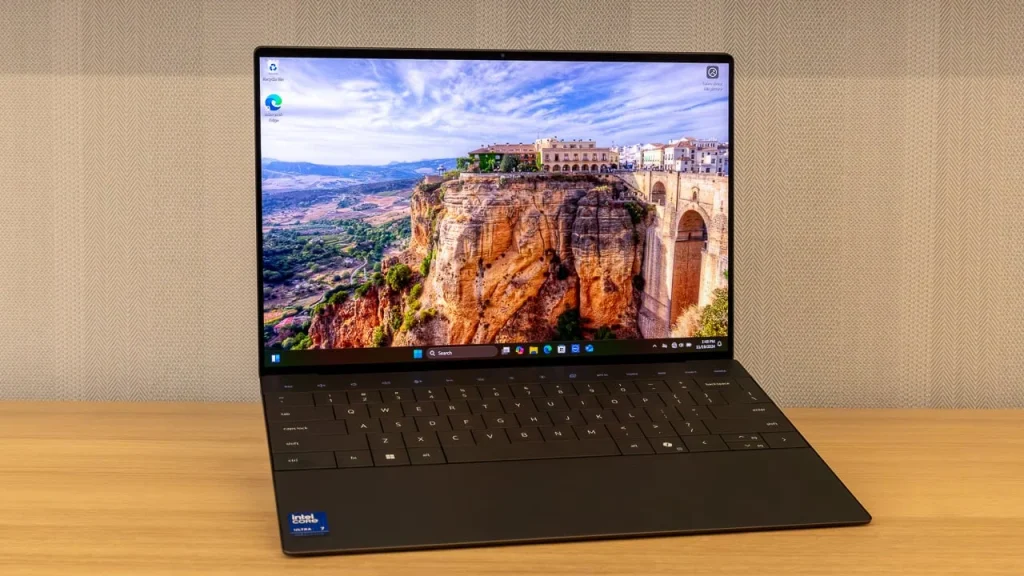
Dell remains one of the most trusted names in both consumer and business laptops. The XPS line delivers premium design and strong performance, while the Latitude series focuses on enterprise reliability. Dell also backs its laptops with solid support options, which matters greatly for business buyers.
Known For: XPS design, business-grade reliability, strong customer support
| Pros | Cons |
|---|---|
| Excellent build quality across price tiers | Entry-level models feel less premium than XPS devices |
| Strong warranty and support options for business users | Some configurations run warmer under heavy workloads |
3. Lenovo
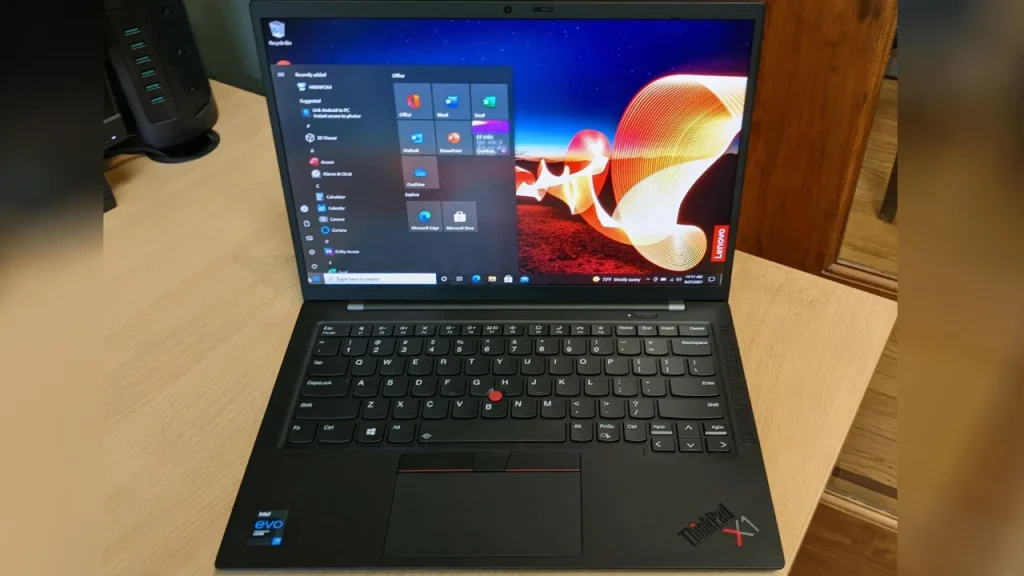
Lenovo built its reputation on the ThinkPad line, and that trust still carries the brand today. Few names appear on every top 10 laptop brands list as consistently as Lenovo does. ThinkPads remain a favorite among professionals who value durability and a reliable keyboard. Lenovo also covers gaming and creative work through its Legion and Yoga series, giving it one of the widest lineups in the industry.
Known For: ThinkPad durability, versatile product lineup, reliable keyboards
| Pros | Cons |
|---|---|
| Extremely durable builds tested against military standards | Design can feel conservative compared to rivals |
| Strong lineup covering business, gaming, and creative needs | Higher-end configurations get expensive quickly |
4. HP

HP offers one of the broadest laptop lineups on the market, spanning budget machines to serious gaming rigs, which keeps it firmly among the top 10 laptop brands year after year. The Omen series has grown into a legitimate competitor for performance laptops, while the Spectre line handles premium design well. HP laptops generally offer strong value at every price point.
Known For: Wide product range, strong value, growing gaming lineup
| Pros | Cons |
|---|---|
| Something available for nearly every budget | Lower-end models use less premium materials |
| Omen laptops deliver strong gaming and creative performance | Software bloat can slow down out-of-box experience |
5. ASUS
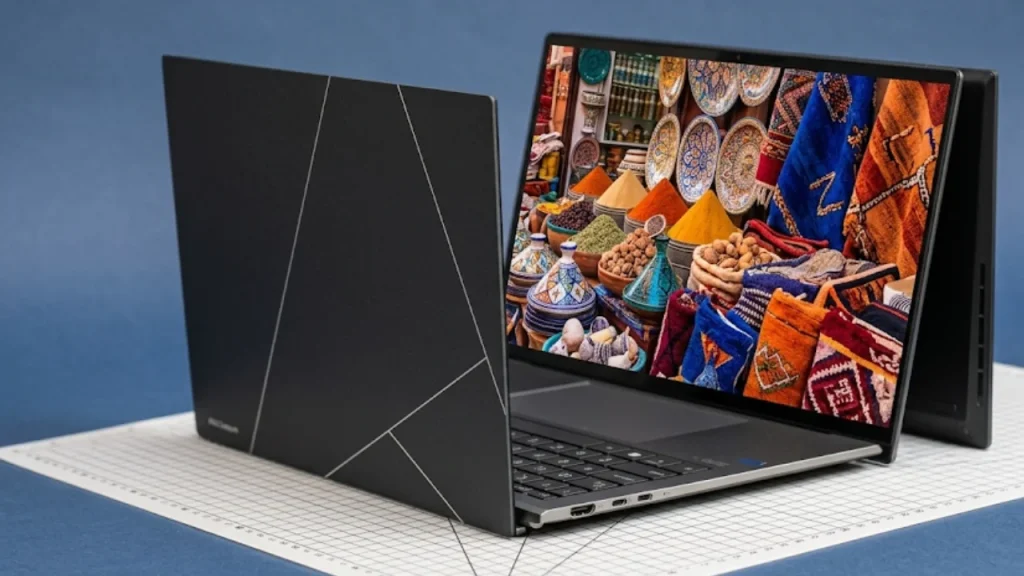
ASUS has become a dominant force in both gaming and creator laptops. The ROG series pushes performance limits for gamers, while the ProArt line focuses on color accuracy for creative professionals. ASUS laptops often pack more hardware for the price than direct competitors.
Known For: ROG gaming laptops, ProArt creator machines, strong price-to-performance ratio
| Pros | Cons |
|---|---|
| Aggressive performance for the price across most lineups | Build quality varies more between product lines |
| Strong display quality on creator-focused models | Software features can feel cluttered for casual users |
6. Acer

Acer remains one of the best choices for budget-conscious buyers. The Aspire series delivers dependable everyday performance, while the Predator line competes seriously in gaming. Acer laptops rarely lead in premium design, but they consistently deliver solid value.
Known For: Affordable pricing, dependable everyday laptops, competitive gaming lineup
| Pros | Cons |
|---|---|
| Some of the best prices in the industry | Build materials feel less premium than rivals |
| Predator laptops offer real gaming performance | Displays on budget models can look average |
7. MSI
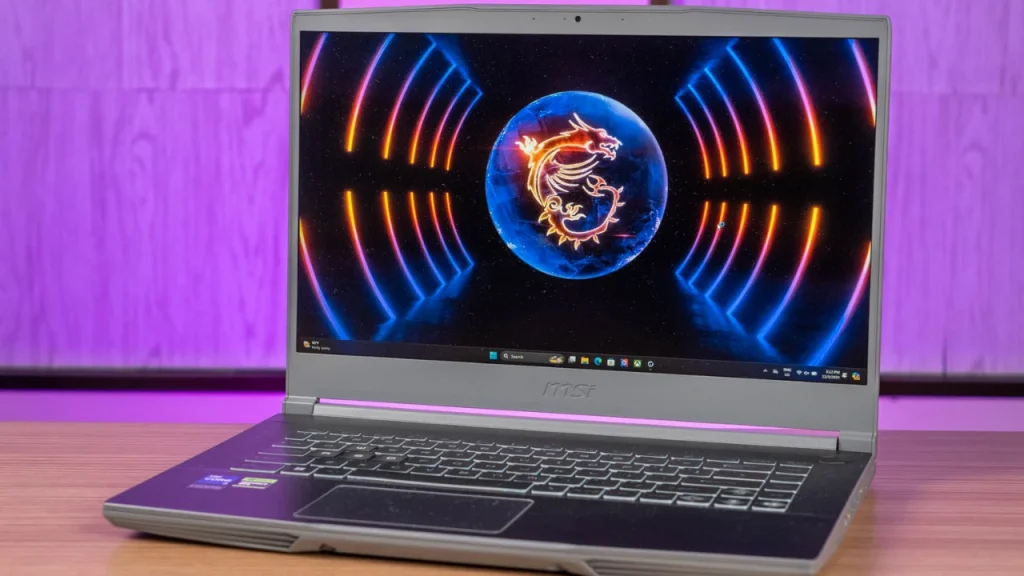
MSI built its name on gaming laptops, and that focus still defines the brand. Its Raider and Titan series compete directly with the most powerful gaming machines available. MSI has also expanded into creator laptops, giving editors and designers another serious option beyond traditional gaming brands.
Known For: High-performance gaming laptops, strong cooling systems, growing creator lineup
| Pros | Cons |
|---|---|
| Excellent raw performance for gaming and rendering | Bulkier designs compared to slimmer competitors |
| Creator laptops now rival dedicated ProArt-style machines | Battery life trails behind more efficient rivals |
8. Samsung

Samsung brings its display expertise directly into its laptop lineup. The Galaxy Book series stands out for vivid AMOLED screens and slim, lightweight builds. Samsung laptops also integrate smoothly with Galaxy phones and tablets, which appeals to users already inside that ecosystem.
Known For: AMOLED displays, lightweight design, strong ecosystem integration
| Pros | Cons |
|---|---|
| Outstanding display quality across the lineup | Performance trails dedicated gaming or creator brands |
| Thin and light builds ideal for travel | Battery life varies across different configurations |
9. Microsoft
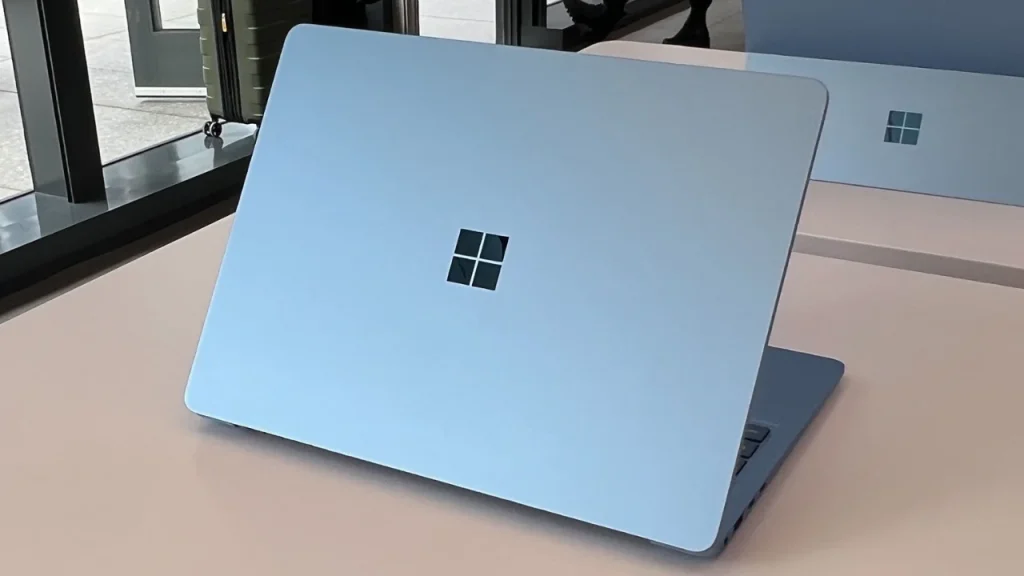
Microsoft’s Surface lineup focuses on clean design and tight Windows integration. The Surface Laptop and Surface Pro both emphasize portability and a refined typing experience. Microsoft laptops appeal strongly to users who want a polished, no-nonsense Windows experience.
Known For: Surface design, tight Windows integration, refined typing experience
| Pros | Cons |
|---|---|
| Smooth Windows experience with fewer preinstalled extras | Limited upgrade options once purchased |
| Strong build quality across the Surface range | Fewer configurations compared to larger competitors |
10. Razer
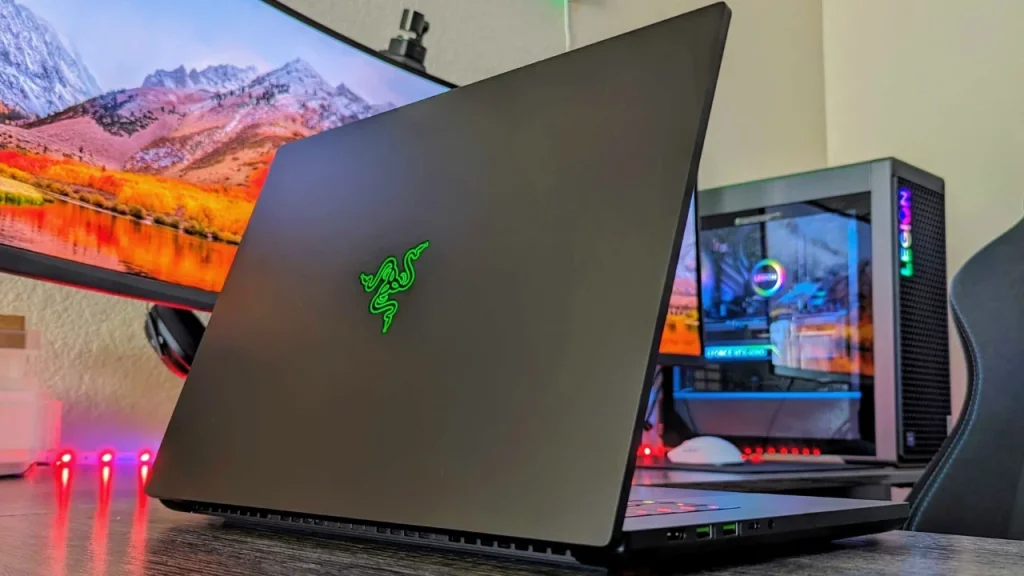
Razer occupies a smaller but distinct space in the market, focused entirely on premium gaming laptops. The Blade series pairs sleek, minimalist design with genuinely powerful internals. Razer laptops attract buyers who want gaming performance without the aggressive styling common across the category.
Known For: Premium gaming design, powerful internals, minimalist aesthetic
| Pros | Cons |
|---|---|
| Sleek design that avoids typical gaming laptop styling | Higher prices compared to similarly specced rivals |
| Strong performance in a relatively slim chassis | Thermal management struggles under extended heavy loads |
Final Thoughts
After comparing build quality, support, and everyday reliability across these ten brands, my honest opinion is straightforward. Apple still earns the top spot in any top 10 laptop brands discussion, simply because no other brand pairs hardware and software this tightly. For Windows users, Lenovo remains my personal favorite, since ThinkPad durability continues to outlast almost everything else on this list. Gamers chasing raw power should look at ASUS or MSI rather than getting distracted by brand loyalty alone. Budget buyers should not overlook Acer, since real value still matters more than flashy marketing. In the end, the best pick from any top 10 laptop brands list depends entirely on how you actually plan to use the laptop, not which name looks best on the lid.
Which one would be my Pick?
I would pick the Dell XPS specifically; it would come down to balance. It looks and feels premium without the flashy design language gaming brands lean on, which suits professionals who want something client-friendly. The OLED display option makes color work genuinely trustworthy, not just good enough. Build quality stays consistent, and Dell backs it with real support if something goes wrong, which matters more than people admit until they actually need it. It is not the fastest or cheapest option available, but it avoids every obvious weakness, making it an easy laptop to recommend without hesitation or asterisks.