Semiconductor Expansion Could Slow as Industry Struggles to Fill Critical Jobs
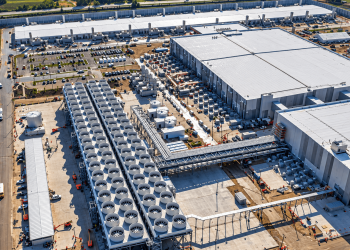
The United States’ ambitious effort to rebuild domestic semiconductor manufacturing is facing a growing obstacle: a severe shortage of skilled workers.
A new industry report warns that unless workforce shortages are addressed, billions of dollars in planned chip factory investments could face delays, threatening the long-term success of America’s semiconductor manufacturing revival.
Massive Labor Gap Emerging
According to research conducted by McKinsey & Company, SEMI, and the National Science Foundation, the U.S. semiconductor industry could face a shortage of up to 157,000 skilled workers by 2030.
The largest gaps are expected in states where major fabrication plants are under construction, including:
- Arizona
- Texas
- California
- New York
- Ohio
These regions are becoming the center of America’s semiconductor manufacturing expansion.
Major Chip Projects Could Be Delayed
The shortage threatens several of the country’s largest semiconductor investments.
Projects expected to face hiring challenges include:
- Taiwan Semiconductor Manufacturing Company (TSMC)’s planned multibillion-dollar Arizona expansion
- Micron Technology’s memory chip manufacturing campus in New York
- Samsung Electronics’ semiconductor facility in Texas
- Intel’s large-scale manufacturing investment in Ohio
Industry leaders warn that construction may finish before enough qualified workers are available to operate these advanced facilities efficiently.
Manufacturing and Engineering Jobs Hit Hardest
The report projects that by 2030:
- Around 74% of unfilled positions will be in manufacturing
- Roughly 60% will involve engineering roles
Employers report particular difficulty recruiting:
- Process engineers
- Manufacturing engineers
- Hardware specialists
- Equipment technicians
Nearly three-quarters of semiconductor companies surveyed said hiring engineers has become increasingly difficult.
Competition From AI and Software Careers
One major challenge is that relatively few engineering graduates choose careers in semiconductor manufacturing.
Many graduates instead pursue higher-paying opportunities in:
- Artificial intelligence
- Software development
- Cloud computing
- Technology consulting
The report estimates that only a small percentage of U.S. engineering students ultimately enter the semiconductor industry, creating an imbalance between growing demand and available talent.
CHIPS Act Workforce Programs Help, But More Is Needed
The CHIPS and Science Act has funded workforce development initiatives aimed at training technicians and supporting semiconductor education.
These programs include:
- University partnerships
- Technical training
- Manufacturing education
- Research support
However, industry experts say current programs are not expanding quickly enough to meet projected hiring needs, particularly for highly specialized engineering positions.
Industry Calls for Earlier Education
Researchers argue that solving the labor shortage requires building awareness much earlier.
Recommended actions include:
- Expanding semiconductor education in schools and universities
- Increasing engineering scholarships
- Promoting semiconductor careers to younger students
- Continuing federal workforce funding
Industry leaders say many students simply are not familiar with career opportunities in chip manufacturing before entering the workforce.
Manufacturing Revival Depends on Talent
The workforce shortage represents another challenge for America’s effort to reduce dependence on overseas semiconductor production.
Alongside rising construction costs and supply chain pressures, limited access to skilled labor could slow progress toward expanding domestic chip manufacturing capacity.
Analysts warn that factories alone will not secure semiconductor independence unless enough qualified workers are available to design, build, and operate them.
Looking Ahead
The United States has committed hundreds of billions of dollars toward strengthening its semiconductor industry, but investment alone may not guarantee success.
Without significant improvements in workforce development, the shortage of engineers and manufacturing specialists could become one of the biggest obstacles to the country’s chip manufacturing ambitions.
As AI, advanced computing, and national security continue driving semiconductor demand, developing the next generation of skilled workers may prove just as important as building the factories themselves.