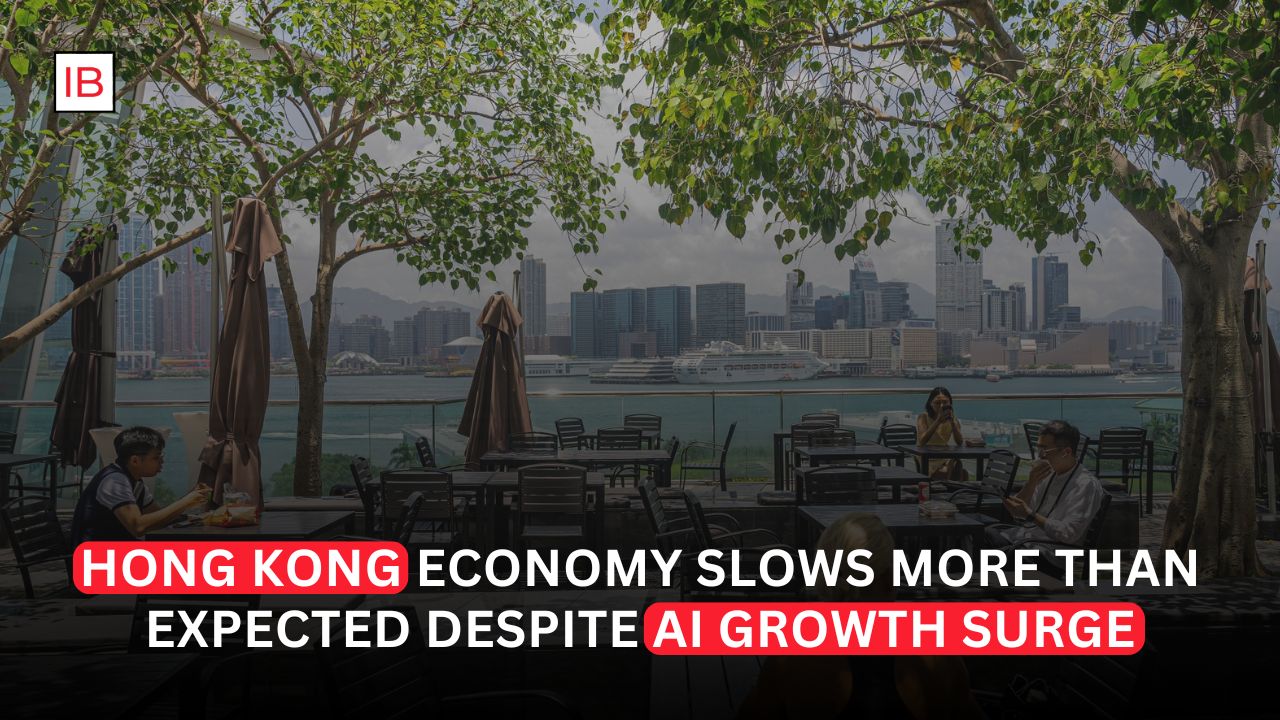
Weaker Consumer Spending and Investment Offset Trade Strength as Growth Misses Expectations
Hong Kong’s economy expanded at a slower pace than economists had expected in the second quarter of 2026, as softer domestic demand offset another surge in exports driven by global technology and artificial intelligence demand. While overseas trade remained a bright spot, weaker household spending, cautious business investment, and ongoing uncertainty in the global economy limited broader economic growth, highlighting the uneven nature of Hong Kong’s recovery.
According to preliminary government estimates, the slowdown came despite continued strength in exports, which have benefited from rising demand for semiconductors, AI-related hardware, and cross-border trade with mainland China. Economists said the results suggest that Hong Kong’s economy remains heavily dependent on external demand while domestic activity has yet to fully regain momentum.
Export Boom Continues
External trade remained the strongest contributor to economic activity during the quarter.
Exports were supported by:
- Robust demand for AI-related technology products.
- Strong semiconductor shipments.
- Increased regional trade flows.
- Continued recovery in cross-border commercial activity.
Hong Kong’s role as a major logistics and financial gateway for mainland China has helped exporters benefit from global investment in artificial intelligence and advanced manufacturing.
Domestic Demand Remains Weak
While exports performed well, domestic demand showed signs of slowing.
Several factors weighed on the economy:
- More cautious consumer spending.
- Slower private investment.
- Higher borrowing costs.
- Continued uncertainty surrounding global economic conditions.
Businesses remained reluctant to expand aggressively as elevated interest rates and geopolitical risks continued affecting confidence.
AI Trade Supports Economic Activity
Artificial intelligence has become an increasingly important driver of Hong Kong’s trade performance.
The city has benefited from:
- Rising demand for AI servers.
- Semiconductor exports.
- Technology supply chain activity.
- Financial services linked to AI investment.
These sectors helped offset weaker performance in more traditional areas of the economy, reinforcing Hong Kong’s role as a regional technology and finance hub.
Government Maintains Growth Outlook
Despite the slower-than-expected quarterly performance, officials continue to believe the economy will expand during the remainder of the year.
The government expects support from:
- Continued export growth.
- Stable financial markets.
- Tourism recovery.
- Ongoing regional economic integration.
However, policymakers acknowledge that risks remain, particularly from geopolitical tensions and weaker global demand.
External Risks Continue
Economists warn that Hong Kong remains vulnerable to developments beyond its control.
Key risks include:
- Global trade uncertainty.
- Middle East geopolitical tensions.
- Higher energy prices.
- Slowing economic growth among major trading partners.
Because Hong Kong is one of the world’s most open economies, fluctuations in international trade and financial markets can have a significant impact on overall growth.
Financial Sector Remains Resilient
Despite softer domestic activity, Hong Kong’s financial sector continues to provide important support.
Recent improvements include:
- Strong capital market activity.
- Rising IPO issuance.
- Healthy banking system liquidity.
- Continued international investor participation.
These strengths have helped cushion the economy against slower household and business spending.
Looking Ahead
Hong Kong’s latest economic performance highlights the growing divide between its internationally connected export sector and softer domestic economy. While booming demand for AI-related products and technology exports continues supporting growth, weaker consumer spending and business investment suggest the recovery remains uneven. The city’s dependence on global trade means external demand continues playing a larger role than local consumption in driving economic activity.
Looking forward, policymakers will be hoping that stronger trade, recovering tourism, and continued financial market activity eventually translate into broader domestic growth. However, with geopolitical uncertainty and elevated global interest rates still posing challenges, Hong Kong’s economy is expected to remain closely tied to international market conditions throughout the remainder of 2026.