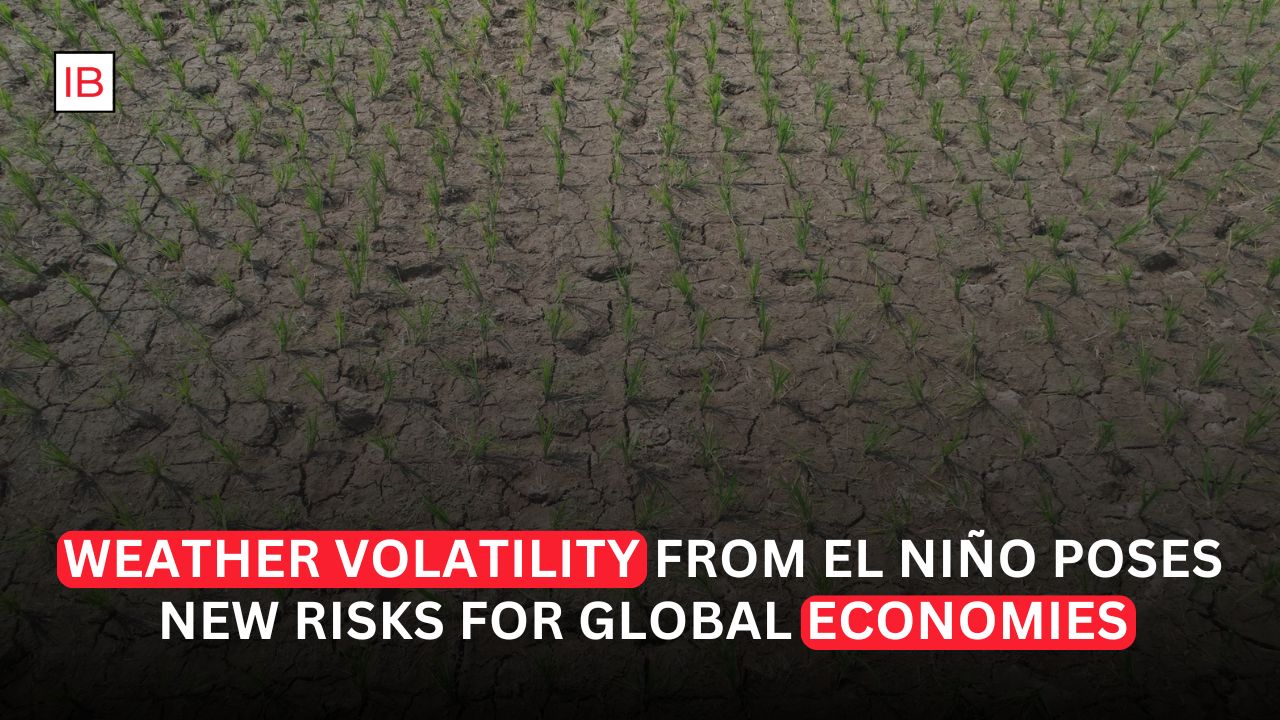
Powerful Climate Pattern Threatens Food Supplies, Inflation, Energy Markets, and Economic Growth Worldwide
A rapidly strengthening El Niño weather pattern is raising concerns about a new wave of economic disruption as governments, businesses, and investors prepare for potentially severe weather-related shocks across multiple regions of the world. Climate experts warn that one of the strongest El Niño events in decades could disrupt agricultural production, strain energy systems, interrupt supply chains, and increase inflationary pressures, creating fresh challenges for economies already managing geopolitical tensions and elevated commodity prices.
El Niño is a naturally occurring climate phenomenon that develops when surface waters in the central and eastern Pacific Ocean become unusually warm. These changes alter global atmospheric circulation, affecting rainfall, temperatures, drought conditions, and storm activity across continents. While every El Niño event differs in intensity, scientists increasingly believe the current pattern could become one of the strongest since the mid-20th century, significantly increasing the probability of widespread economic consequences.
Agriculture Faces Growing Pressure
Food production is expected to become one of the sectors most heavily affected.
Potential impacts include:
- Drought across major farming regions.
- Delayed monsoon rainfall.
- Reduced crop yields.
- Water shortages.
- Livestock stress.
- Lower agricultural exports.
Regions across South and Southeast Asia, southern Africa, Central America, and parts of South America are expected to experience particularly challenging weather conditions that could reduce harvests of rice, corn, soybeans, wheat, and other important crops.
Food Prices Could Rise Again
Lower agricultural production may place renewed upward pressure on global food prices.
Several factors could contribute:
- Reduced crop availability.
- Higher transportation costs.
- Increased fertilizer expenses.
- Weather-related supply disruptions.
Although global food inventories remain relatively healthy following strong harvests in previous seasons, analysts warn that prolonged droughts combined with existing geopolitical tensions could tighten supplies later this year and into 2027.
Energy Markets May Also Feel the Impact
Extreme weather often influences energy markets in multiple ways.
Possible consequences include:
- Higher electricity demand during heat waves.
- Lower hydropower generation.
- Increased cooling costs.
- Pressure on natural gas supplies.
Countries experiencing prolonged high temperatures may require significantly more electricity for air conditioning, increasing demand across already strained power systems.
Meanwhile, drought conditions can reduce hydroelectric output, forcing greater reliance on conventional power generation.
Inflation Risks Increase
Weather-related disruptions frequently contribute to inflation because they affect production, transportation, and commodity markets simultaneously.
Higher prices may emerge across:
- Food.
- Energy.
- Transportation.
- Consumer goods.
Central banks will likely continue monitoring these developments closely as climate-related supply shocks complicate efforts to maintain stable inflation while supporting economic growth.
Supply Chains Remain Vulnerable
Global supply chains continue recovering from previous disruptions.
Extreme weather may create additional challenges by affecting:
- Agricultural exports.
- River transportation.
- Port operations.
- Industrial production.
Businesses increasingly recognize climate-related disruptions as an important operational risk requiring stronger contingency planning and diversified sourcing strategies.
Financial Markets Monitor Climate Risks
Investors have become increasingly attentive to weather-related economic risks.
Sectors receiving particular attention include:
- Agriculture.
- Commodities.
- Insurance.
- Utilities.
- Infrastructure.
Financial institutions continue incorporating climate scenarios into investment analysis as extreme weather events become more frequent and economically significant.
Food Security Concerns Intensify
International humanitarian organizations warn that El Niño could significantly worsen food insecurity.
The World Food Programme (WFP) estimates that tens of millions of additional people could face acute hunger if severe droughts and crop failures develop across vulnerable regions during the coming year. Combined with ongoing geopolitical conflicts and funding constraints, the weather event could place additional pressure on humanitarian assistance programs.
Governments Prepare Emergency Responses
Many governments have already begun preparing mitigation measures.
These include:
- Water conservation programs.
- Emergency food planning.
- Agricultural assistance.
- Early warning systems.
- Disaster preparedness.
Officials hope that proactive planning can reduce economic losses while protecting vulnerable communities from the most severe consequences.
Looking Ahead
The strengthening El Niño weather pattern has become one of the most closely watched global economic risks because its effects extend far beyond weather itself. Agriculture, energy markets, transportation, inflation, and financial markets could all experience increased volatility if forecasts for a particularly strong event prove accurate. While the exact severity and geographic distribution of impacts remain uncertain, governments, businesses, and investors are increasingly treating climate-related disruptions as a significant economic factor alongside monetary policy, geopolitical developments, and commodity market trends.
Over the coming months, the evolution of El Niño will remain a major focus for policymakers and financial markets alike. Early preparation, resilient supply chains, diversified energy systems, and coordinated international responses may help reduce the economic impact, but continued monitoring will be essential as weather conditions develop through the remainder of the year.