New Research Shows Rising Temperatures Have Dramatically Increased Wildfire Risk Across Canada
Climate change has significantly increased the likelihood and intensity of wildfires across Canada’s vast forests, according to new scientific research that concludes rising global temperatures have fundamentally altered the country’s fire environment. Researchers found that warmer weather, prolonged droughts, and drier vegetation have made Canada’s forests substantially more vulnerable to large-scale fires, contributing to increasingly destructive wildfire seasons that have affected communities, ecosystems, public health, and the national economy.
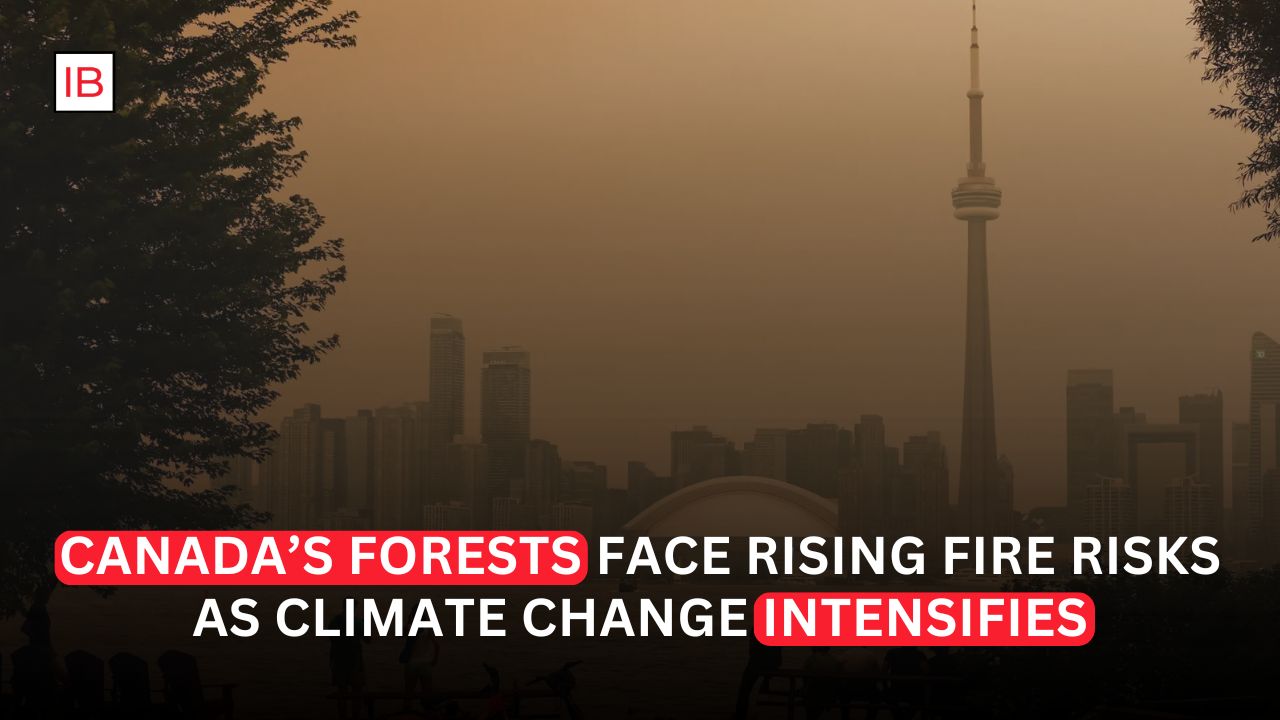
The findings reinforce growing scientific evidence that human-driven climate change is transforming wildfire behavior worldwide. Canada has experienced several record-breaking fire seasons in recent years, with millions of hectares of forest burned, thousands of residents displaced, and smoke spreading across North America. Scientists say the combination of higher temperatures, reduced soil moisture, earlier snowmelt, and longer fire seasons has created conditions in which wildfires ignite more easily, spread more rapidly, and become far more difficult to contain. As climate change continues intensifying, experts warn that severe wildfire seasons could become increasingly common across Canada’s forests.
Rising Temperatures Increase Fire Risk
Researchers found that climate change has directly influenced several conditions that increase wildfire danger.
These include:
- Higher average temperatures.
- More frequent heatwaves.
- Longer dry periods.
- Lower soil moisture.
- Increased evaporation.
Together, these changes dry out forests and vegetation, creating ideal conditions for fires to ignite and spread quickly.
Scientists noted that many regions now experience fire weather conditions that were once considered relatively rare.
Longer Fire Seasons Becoming the New Normal
Canada’s wildfire season has expanded considerably over recent decades.
Earlier spring warming and later autumn cooling have extended the period during which forests remain vulnerable to burning.
As a result:
- Fires begin earlier.
- Fire seasons last longer.
- Fire suppression becomes more challenging.
- More resources are required over extended periods.
Emergency response agencies now face greater pressure as wildfire activity remains elevated for much longer each year.
Drought Intensifies Wildfire Conditions
Persistent drought has become another major contributor to wildfire activity.
Reduced rainfall leaves:
- Forests drier.
- Vegetation highly flammable.
- Rivers and lakes at lower levels.
- Soil moisture significantly depleted.
These conditions allow fires to spread rapidly once ignition occurs, particularly during periods of strong winds and extreme heat.
Scientists emphasize that climate change increases both the frequency and severity of drought conditions across many Canadian regions.
Record-Breaking Fire Seasons
Canada has experienced several unprecedented wildfire years.
Recent seasons have resulted in:
- Millions of hectares burned.
- Thousands of evacuations.
- Extensive property damage.
- Major disruptions to transportation.
- Significant economic losses.
Some fires have grown so large that they created their own weather systems, generating powerful winds and making firefighting efforts even more difficult.
Smoke Affects Millions Beyond Canada
Wildfire impacts extend well beyond burned forests.
Smoke from Canadian fires has affected air quality across:
- Canada.
- The United States.
- Parts of Europe.
Heavy smoke contains fine particles that can contribute to:
- Respiratory illness.
- Cardiovascular problems.
- Reduced visibility.
- Transportation disruptions.
Public health agencies increasingly issue air-quality warnings during major wildfire events.
Forests Face Long-Term Ecological Changes
Wildfires play a natural role in many Canadian ecosystems, but climate change is altering both their frequency and intensity.
Scientists warn that increasingly severe fires may affect:
- Forest regeneration.
- Wildlife habitats.
- Biodiversity.
- Soil quality.
- Carbon storage.
Young forests may struggle to recover if repeated fires occur before ecosystems have sufficient time to regenerate.
Economic Costs Continue Rising
The financial impact of wildfires continues increasing each year.
Major costs include:
- Firefighting operations.
- Infrastructure repairs.
- Insurance claims.
- Lost timber production.
- Tourism disruptions.
- Healthcare expenses.
Governments and businesses are investing more heavily in wildfire preparedness, emergency response, and climate adaptation measures.
Climate Adaptation Becomes Essential
Researchers emphasize that reducing wildfire risk will require both climate mitigation and adaptation.
Key adaptation measures include:
- Improved forest management.
- Better early-warning systems.
- Community preparedness.
- Fire-resistant infrastructure.
- Expanded emergency planning.
Although such measures can reduce damage, scientists stress they cannot fully eliminate increasing wildfire risks if global temperatures continue rising.
Looking Ahead
The latest research highlights how climate change has fundamentally reshaped Canada’s wildfire landscape by making forests substantially more likely to burn under increasingly hot and dry conditions. Rising temperatures, longer droughts, extended fire seasons, and changing weather patterns have combined to create an environment where severe wildfires are becoming both more frequent and more destructive. These changes are affecting not only forests and wildlife but also public health, infrastructure, economic activity, and communities across North America.
Looking forward, scientists expect wildfire risk to remain elevated unless global greenhouse gas emissions decline significantly and climate adaptation efforts expand. Continued investment in forest management, emergency preparedness, climate resilience, and international cooperation will likely play an increasingly important role in reducing future wildfire damage while helping communities adapt to one of the most visible consequences of a warming climate.