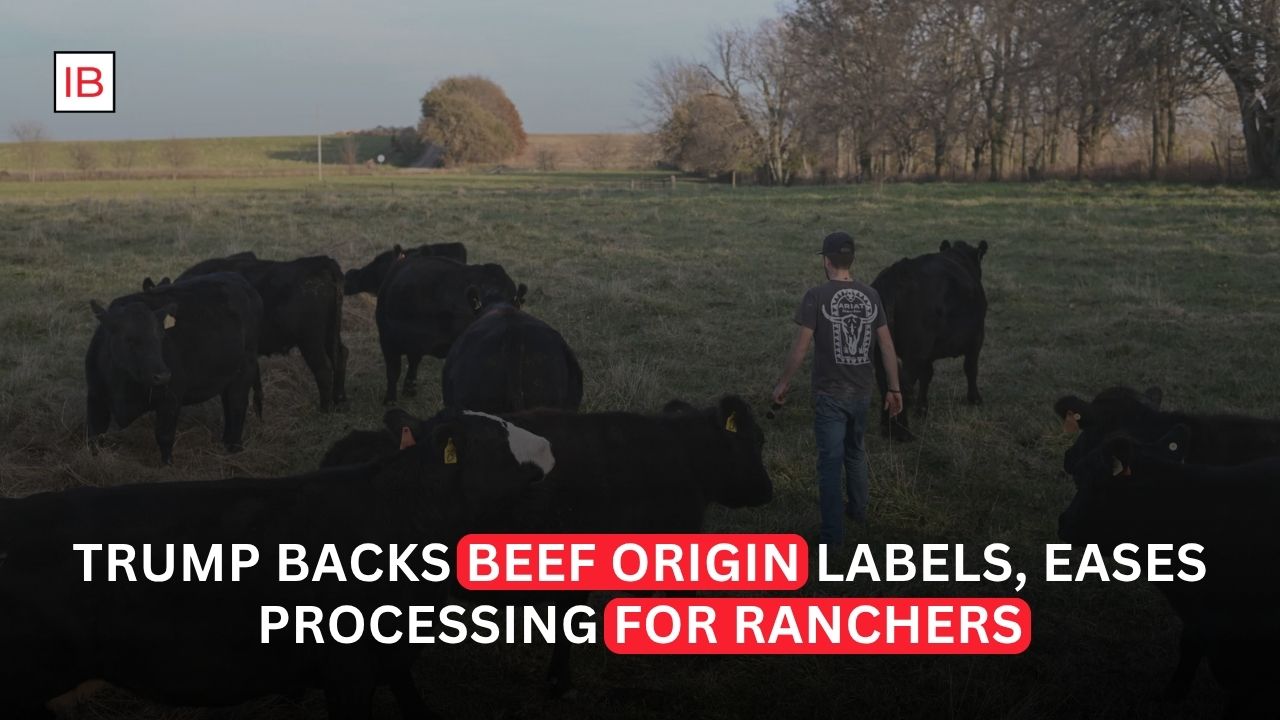
President Moves to Ease Processing Restrictions as High Beef Prices and Industry Consolidation Put Pressure on US Cattle Producers. President Donald Trump has signed an executive order aimed at making it easier for American ranchers and farmers to process their own beef, a move the administration says will reduce their dependence on a small group of major meatpacking companies.
The action is part of a broader White House effort to address record-high beef prices while responding to growing frustration among cattle producers over industry consolidation and the rising cost of getting livestock processed for consumers.
Ranchers Could Gain Greater Processing Freedom
Trump’s new order is intended to reduce regulatory barriers that have limited the ability of smaller producers to process and sell meat without relying on large federally inspected facilities.
The president has argued that a small number of major meatpacking companies dominate the industry, leaving many independent ranchers with limited options and weakening competition in the supply chain. The administration’s goal is to make it easier for smaller producers to expand local processing operations and bring their products to market.
Big Meat Packers Come Under Fresh Pressure
The initiative is part of Trump’s wider campaign against consolidation in the US meat industry.
Four major companies — Tyson, Cargill, JBS and National Beef — have long dominated a significant portion of the country’s cattle-processing business. Critics argue that the concentration of processing capacity gives large companies substantial influence over prices paid to ranchers and prices charged to consumers.
Trump has presented the new measures as a way to give independent producers more control over their businesses and create greater competition in the industry.
High Beef Prices Drive White House Action
The executive action comes as American consumers continue to face high prices for beef.
A combination of drought, wildfires and a shrinking national cattle herd has reduced domestic supplies, putting pressure on prices. The US cattle herd has fallen to its lowest level in decades, creating a difficult environment for both consumers and producers.
The administration has been searching for ways to reduce prices without further damaging American ranchers, who have expressed concern about policies that could increase competition from imported beef.
Import Policy Sparked Rancher Backlash
Trump’s latest move follows criticism of an earlier decision to increase lower-tariff imports of lean beef trimmings.
The White House authorized an additional 300,000 metric tons of certain beef products under an expanded quota for 2026, arguing that domestic supply was insufficient to meet demand at reasonable prices.
However, the import policy triggered opposition from many cattle producers, who warned that cheaper foreign beef could weaken prices and discourage investment in rebuilding the US cattle herd.
The new processing order is expected to help address some of those concerns by offering greater support to domestic ranchers and smaller meat processors.
Food Safety and Inspection Questions Remain
The biggest challenge for the new policy will be determining how far the administration can ease regulations while maintaining existing food-safety standards.
Federal law already allows farmers and ranchers to slaughter livestock for their own household use. The more complicated issue involves expanding the ability to sell meat processed outside traditional federally inspected facilities to consumers, restaurants and retailers.
The administration is expected to work through those regulatory questions as it develops the details of the executive action.
Part of a Broader Plan to Support Ranchers
Trump’s beef-related actions also include efforts to support cattle producers through other measures, including renewed attention to country-of-origin labeling and policies affecting ranchers’ ability to protect livestock.
The White House is attempting to balance two competing pressures: reducing high food prices for consumers while ensuring that policies do not undermine domestic cattle producers.
Small Producers Could Benefit Most
Supporters of the executive order say the biggest beneficiaries could be independent ranchers and smaller meat-processing businesses.
By expanding local processing options, the administration hopes producers will have more alternatives to selling cattle to large processors. That could potentially strengthen rural economies, increase competition and give consumers more access to locally produced beef.
However, the ultimate impact will depend on the final regulations and whether smaller producers are given practical new pathways to process and legally sell their meat products.
A New Front in the Battle Over Beef Prices
Trump’s decision highlights the growing political importance of food prices ahead of the US midterm elections.
High beef prices have become a visible example of broader concerns about the cost of living, while cattle producers remain an important political constituency for the administration.
For now, the executive order represents a major attempt to reshape the relationship between ranchers and the companies that process their cattle. If the new rules successfully expand opportunities for independent producers, the administration hopes they could increase competition in the meat industry and reduce reliance on the country’s largest processors.