Madrid Condemns Rome’s Border Measures as EU Migration Dispute Escalates
Spain has warned it is prepared to retaliate against Italy after Rome imposed temporary border controls and tightened travel restrictions following the recent migration crisis in the Spanish enclave of Ceuta. The dispute has become one of the most serious political confrontations within the European Union in recent years, exposing deep divisions over migration policy, border security, and the future of the Schengen free-travel area. Spain argues that Italy’s actions unfairly target a fellow EU member and undermine European solidarity at a time when coordinated action is needed most.
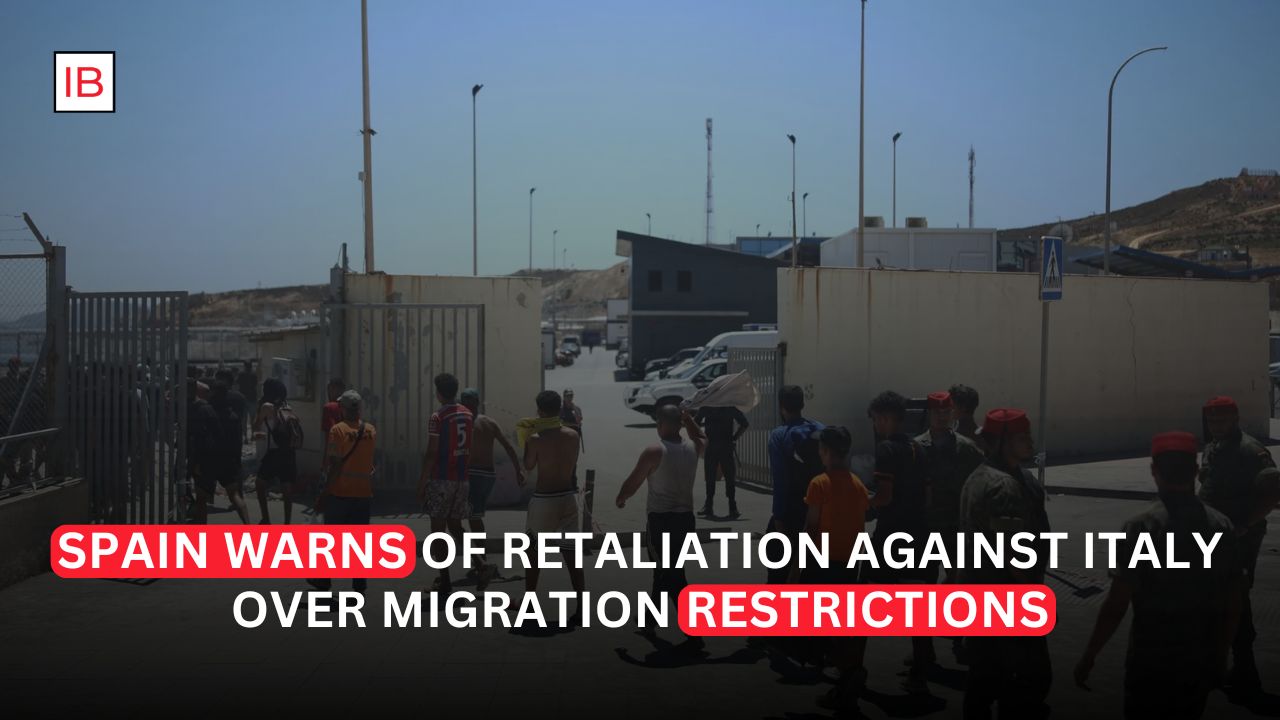
The confrontation began after tens of thousands of migrants crossed into Ceuta from Morocco, overwhelming local authorities and triggering a humanitarian emergency. In response, Italy temporarily reintroduced checks on travellers arriving from Spain by air and sea, citing national security concerns. Spanish Prime Minister Pedro Sánchez has strongly criticized the move, accusing Italy of exploiting the crisis for domestic political purposes and warning that Madrid is considering reciprocal measures if the restrictions remain in place.
Ceuta Crisis Sparks Political Fallout
The migration surge into Ceuta represented one of the largest irregular border crossings Europe has experienced in years.
Spanish authorities rapidly worked with Morocco to return many migrants while reinforcing border security.
Although officials said the situation was largely brought under control within days, the crisis immediately reignited political debate across Europe over migration management and border protection.
Italy Restores Border Checks
Italy announced temporary controls on travellers arriving from Spain.
The measures include:
- Targeted checks on non-EU travellers.
- Increased monitoring at airports and ports.
- Temporary restrictions under Schengen emergency provisions.
Italian Prime Minister Giorgia Meloni argued the decision was necessary to protect national security while emphasizing that the measures are temporary.
Spain Rejects Italy’s Actions
Madrid strongly disputes Italy’s justification.
Prime Minister Sánchez argues that:
- Spain acted quickly to restore border security.
- Most migrants have already returned to Morocco.
- Italy’s measures damage EU unity.
Spanish officials have also summoned Italy’s ambassador and warned that reciprocal actions remain under consideration if Rome refuses to reverse its decision.
Schengen Tensions Grow
The dispute has placed renewed attention on the Schengen Area, which allows passport-free travel across much of Europe.
Although Italy cannot suspend Spain from Schengen unilaterally, member states are permitted to temporarily reintroduce internal border checks under exceptional circumstances.
Legal experts note that Italy’s action represents a politically significant use of those emergency provisions rather than a suspension of Schengen itself.
European Union Divided
The crisis has exposed differing approaches among EU governments.
Some countries have supported Italy’s tougher position on migration.
Others have backed Spain while emphasizing:
- European solidarity.
- Coordinated border management.
- Shared responsibility for migration challenges.
The European Commission has reiterated support for Spain while encouraging cooperation among member states.
Domestic Politics Add Pressure
Migration has become an increasingly important political issue across Europe.
Leaders face pressure to:
- Strengthen border controls.
- Reduce irregular migration.
- Maintain public confidence.
Analysts note that domestic political considerations have intensified disagreements between governments, particularly as immigration continues influencing national elections across Europe.
Looking Ahead
The dispute between Spain and Italy highlights the growing strain that migration policy continues to place on European unity. While both governments agree on the need for secure borders, they differ sharply over how responsibility should be shared and whether unilateral border restrictions are appropriate within the Schengen system. Spain’s warning that it could retaliate marks a further escalation that may complicate broader EU discussions on migration reform and freedom of movement.
Looking ahead, European leaders are expected to continue negotiations aimed at preventing further fragmentation of Schengen while addressing irregular migration more effectively. The outcome of these discussions could shape future EU border policy, influence relations between member states, and determine how Europe responds to future migration crises in an increasingly complex geopolitical environment.