Tech Giant Reportedly Lobbies U.S. Government to Ease Chip Supply Pressures
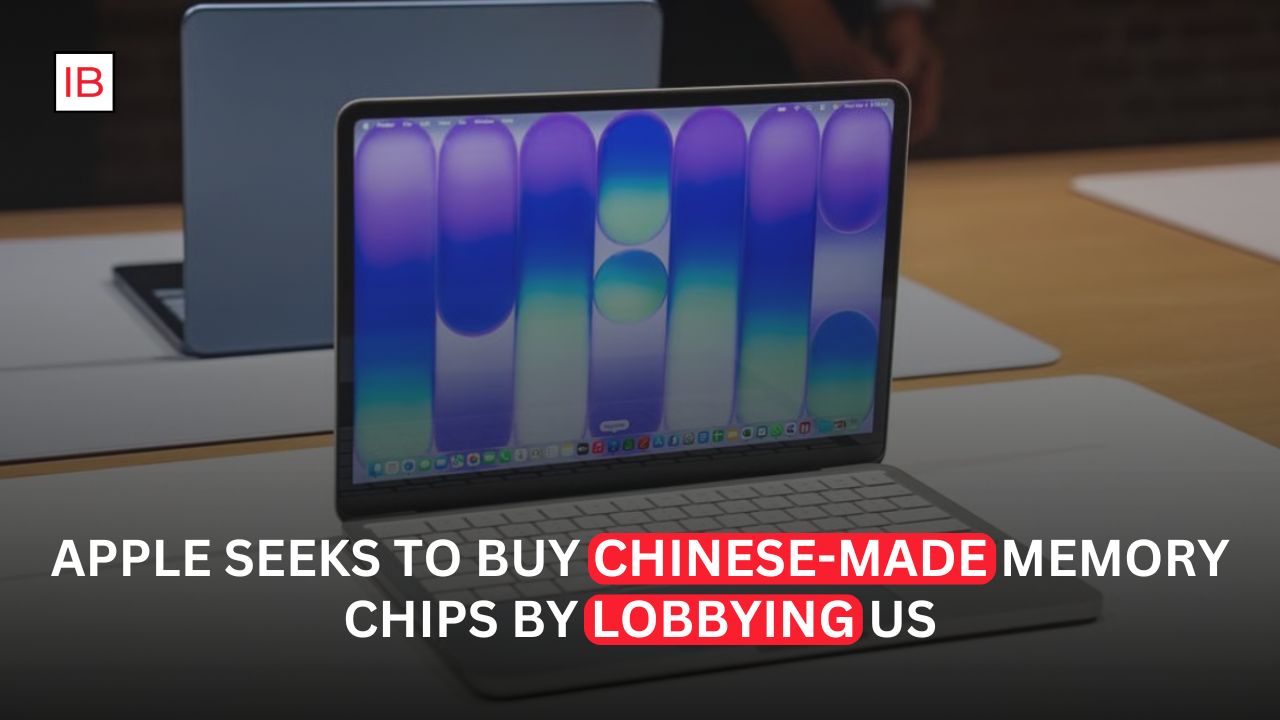
Apple is reportedly seeking U.S. government approval to purchase memory chips from Chinese manufacturers as soaring demand driven by artificial intelligence places unprecedented pressure on the global semiconductor supply chain.
According to reports, Apple is in discussions to source memory components from Chinese chipmakers including ChangXin Memory Technologies (CXMT) and Yangtze Memory Technologies (YMTC). Both companies have been placed on a U.S. Pentagon blacklist over alleged links to China’s military, making any potential partnership politically sensitive.
The move highlights the growing challenges technology companies face as AI-related demand pushes memory prices higher and intensifies competition for semiconductor supplies.
Why Apple Is Looking to China
The rapid expansion of artificial intelligence has dramatically increased demand for memory chips used in data centers, cloud computing, and AI-powered devices.
Major suppliers such as Micron, Samsung Electronics, and SK Hynix have seen production increasingly directed toward AI infrastructure, leaving consumer electronics manufacturers facing tighter supply and higher costs. Apple is reportedly exploring Chinese suppliers as a way to diversify its supply chain and reduce manufacturing expenses.
Reports suggest that any Chinese-made memory chips would initially be used only in Apple products sold within China, potentially limiting political backlash while easing supply constraints.
Who Are CXMT and YMTC?
CXMT is China’s leading producer of DRAM memory chips, while YMTC specializes in NAND flash memory used for data storage.
Both companies have made significant technological progress in recent years, becoming increasingly competitive with established global manufacturers. However, their inclusion on U.S. government blacklists has made partnerships with American companies highly controversial because of national security concerns.
Although the Pentagon designation does not automatically prohibit commercial transactions, future export restrictions could complicate any long-term supply agreements.
AI Boom Is Reshaping the Memory Market
Artificial intelligence has transformed the semiconductor industry.
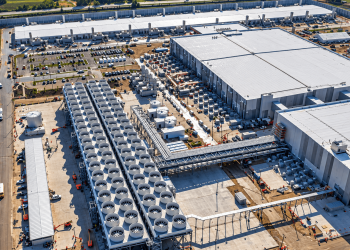
Training large AI models and operating massive data centers require enormous quantities of high-performance memory, causing prices for DRAM and NAND chips to rise sharply. As cloud providers and AI companies continue investing billions of dollars in infrastructure, consumer electronics manufacturers are finding it increasingly difficult to secure sufficient supplies at competitive prices.
The resulting supply imbalance has become one of the biggest challenges facing the global technology industry.
Political Challenges Could Complicate Apple’s Plans
Apple’s reported lobbying effort has already drawn attention in Washington.
Some lawmakers argue that allowing a major U.S. technology company to source components from Chinese firms linked to the country’s military could undermine national security objectives and efforts to strengthen domestic semiconductor manufacturing. Others believe greater supply flexibility could help stabilize prices and reduce pressure on consumers.
The Trump administration has not announced whether it will approve Apple’s request.
Supply Chain Strategy Continues to Evolve
Apple has spent years diversifying its manufacturing and supplier network to reduce dependence on any single country or company.
The company continues expanding production in countries such as India and Vietnam while maintaining relationships with suppliers across Asia. Exploring additional memory suppliers reflects a broader strategy to improve supply chain resilience amid geopolitical tensions and rapidly changing market conditions.
Analysts say access to additional memory sources could help Apple better manage production costs and maintain product availability if shortages persist.
Why Investors Are Watching Closely
The outcome of Apple’s discussions could have implications well beyond the company itself.
A successful agreement would signal growing competitiveness among Chinese semiconductor manufacturers while potentially reshaping global memory markets. It could also influence how other technology companies approach supply chain diversification in an era where AI demand continues to strain production capacity.
At the same time, the decision may become another focal point in the broader technology rivalry between the United States and China.
Looking Ahead
Apple’s reported effort to secure memory chips from Chinese suppliers illustrates the increasingly complex balance between commercial needs and geopolitical considerations.
As artificial intelligence continues driving global demand for advanced semiconductors, technology companies are searching for new ways to secure reliable component supplies while navigating evolving trade restrictions and national security concerns.
Whether Apple ultimately receives approval remains uncertain, but the episode underscores how the AI boom is reshaping not only the semiconductor industry but also the global politics surrounding technology supply chains.