Dow, S&P 500 and Nasdaq Post Sharp Losses as Investors Reassess AI Spending and Geopolitical Risks
U.S. stocks fell sharply on July 23, with the Dow Jones Industrial Average, S&P 500, and Nasdaq Composite posting their steepest declines in weeks as disappointing Big Tech earnings, rising artificial intelligence spending, and a surge in oil prices weighed heavily on investor sentiment. The sell-off marked the worst trading session in nearly a month for Wall Street, highlighting growing concerns over corporate profitability and the broader economic outlook.
The S&P 500 dropped 1.2% to close at 7,408.30, while the Dow Jones Industrial Average lost 506.93 points, or about 1%, ending the session at 51,711.65. The technology-heavy Nasdaq Composite suffered the biggest decline, falling 2.2% as investors aggressively sold major technology stocks following earnings announcements.
Big Tech Leads Market Decline
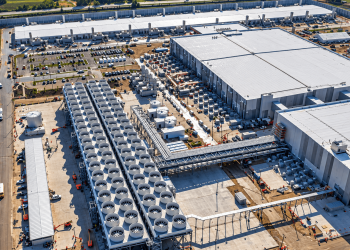
Technology companies were at the center of the market downturn after investors reacted negatively to quarterly earnings reports and rapidly increasing AI-related capital expenditures.
Among the biggest movers:
- Alphabet declined sharply despite reporting solid earnings, as investors focused on its decision to significantly raise AI infrastructure spending.
- Tesla recorded one of its steepest daily declines after weaker-than-expected financial results and concerns over rising research and development costs.
- Several other large technology firms also moved lower as investors questioned whether massive AI investments would generate sufficient long-term returns.
Analysts said the market’s reaction reflected growing concern that technology companies may be spending too aggressively on artificial intelligence infrastructure without immediate improvements in profitability. While AI remains one of the fastest-growing sectors globally, investors appear increasingly focused on balancing future growth with near-term earnings performance.
Oil Prices Add Pressure
At the same time, energy markets added another layer of uncertainty. Brent crude oil climbed above $100 per barrel, reaching its highest level since May, as escalating tensions in the Middle East raised fears of supply disruptions.
Higher oil prices fueled concerns that inflation could remain elevated for longer, potentially limiting the ability of central banks to ease monetary policy in the coming months. Rising energy costs also weighed on industries heavily dependent on fuel and transportation, further contributing to the market’s broad-based decline.
The combination of expensive energy and weaker technology stocks created a difficult environment for investors, prompting widespread selling across multiple sectors.
Treasury Yields Rise
U.S. Treasury yields also moved higher during the session as investors adjusted expectations for interest rates and inflation.
Higher yields generally increase borrowing costs for businesses and consumers while reducing the attractiveness of high-growth technology companies, whose valuations often rely on expectations of future earnings. This dynamic placed additional pressure on the Nasdaq and other growth-oriented sectors.
Financial analysts noted that the simultaneous rise in oil prices and bond yields created a particularly challenging backdrop for equities, especially after several months of strong market gains.
Investors Shift Toward Defensive Assets
The sharp decline encouraged investors to rotate away from higher-risk growth stocks and toward more defensive sectors. Companies involved in defense, industrial manufacturing, and energy generally performed better than the broader market as investors sought businesses viewed as more resilient during periods of economic uncertainty.
Despite the sell-off, market strategists emphasized that the broader market remains higher for the year, supported by continued economic expansion, resilient corporate earnings, and long-term optimism surrounding artificial intelligence. However, they cautioned that volatility could remain elevated as investors closely monitor future earnings reports and geopolitical developments.
Focus Turns to Upcoming Earnings
Attention now shifts to additional corporate earnings reports scheduled over the coming days. Investors will closely examine whether other major companies continue increasing AI-related spending and whether those investments are translating into stronger revenue growth.
Market participants will also watch upcoming economic data, including inflation indicators, employment figures, and consumer spending reports, for further clues about the health of the U.S. economy and the Federal Reserve’s future policy direction.
Looking Ahead
Thursday’s sharp decline illustrates how quickly investor sentiment can change when corporate earnings disappoint and geopolitical tensions intensify simultaneously. While enthusiasm surrounding artificial intelligence continues to support long-term growth expectations, markets are becoming increasingly selective, rewarding companies that demonstrate both innovation and financial discipline.
With oil prices remaining elevated and additional earnings reports due in the coming weeks, investors are likely to remain cautious as they assess whether current valuations accurately reflect the opportunities and risks facing global markets. Despite the recent volatility, many analysts believe the long-term outlook for U.S. equities remains constructive, although short-term swings are expected to continue as economic and geopolitical uncertainties evolve.