Political Tensions Revive Questions About Quebec’s Future Within Canada
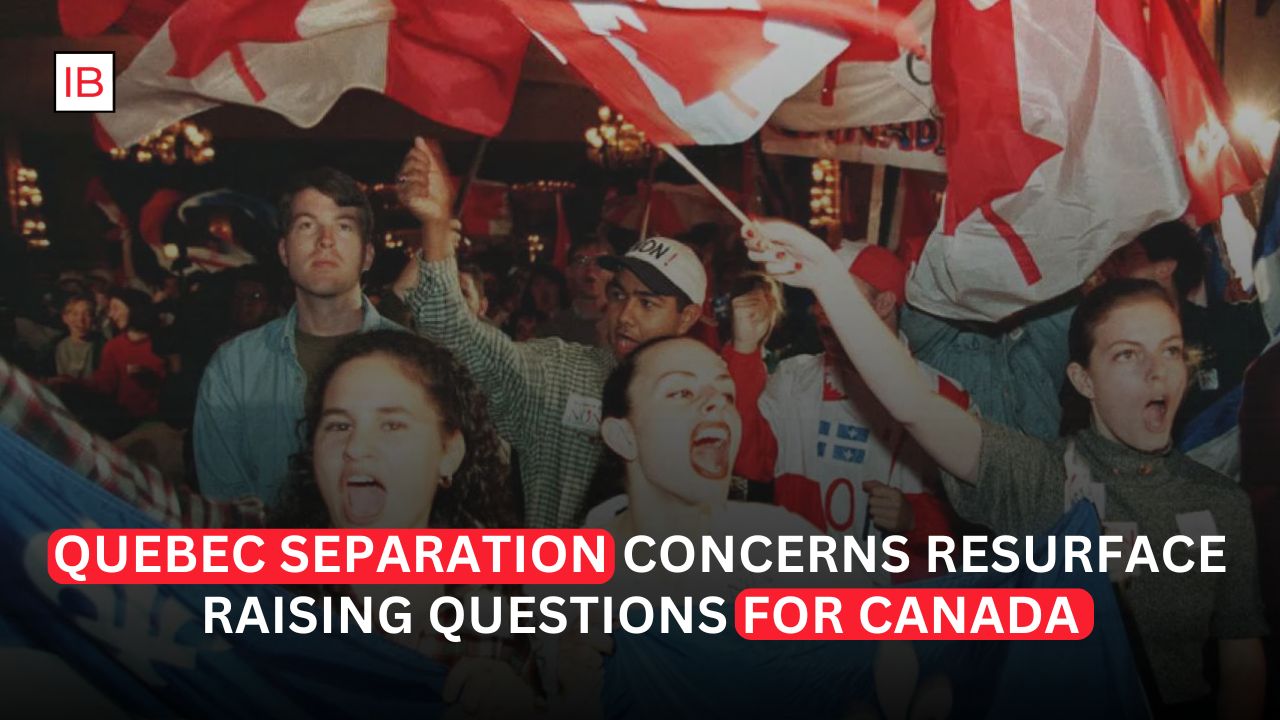
Canada is once again confronting renewed discussion over the possibility of “Quebexit”—the idea that Quebec could eventually separate from the Canadian federation—as nationalist politics regain momentum in the province. Although a referendum on independence is not currently scheduled, growing political debate surrounding Quebec’s autonomy, language protections, constitutional powers, and relationship with Ottawa has revived questions about the province’s long-term place within Canada.
The renewed attention comes as Quebec’s political landscape continues evolving amid broader national debates over immigration, economic policy, cultural identity, and federal-provincial relations. While most political analysts do not believe separation is imminent, they note that rising nationalist sentiment has once again made constitutional issues an important part of Canada’s political conversation. Investors, businesses, and policymakers are closely monitoring developments because any significant movement toward independence would carry major political, legal, and economic consequences for both Quebec and Canada as a whole.
Quebec Nationalism Remains a Powerful Political Force
Quebec has maintained a unique political identity for decades.
Nationalist movements continue emphasizing:
- Greater provincial autonomy.
- Protection of the French language.
- Cultural identity.
- Expanded provincial powers.
- Control over immigration and social policy.
Although views differ regarding full independence, many Quebec voters support stronger provincial authority within the Canadian federation.
Historical Independence Movement
Quebec’s sovereignty movement has shaped Canadian politics for generations.
The province previously held independence referendums in:
- 1980
- 1995
The second referendum produced one of the closest results in Canadian history, with independence rejected by only a narrow margin.
Although public support for outright separation later declined, debates over Quebec’s constitutional status have never completely disappeared.
Political Climate Shifts
Recent political developments have revived public discussion surrounding Quebec’s future.
Several issues have contributed to renewed attention:
- Federal-provincial tensions.
- Language legislation.
- Immigration policy.
- Constitutional authority.
- Cultural protection.
These debates have strengthened nationalist rhetoric even among politicians who do not actively advocate immediate independence.
Economic Questions Dominate Discussion
Any future independence debate would involve major economic considerations.
Key questions include:
- Currency arrangements.
- Trade with the rest of Canada.
- Federal debt allocation.
- Banking regulation.
- Investment climate.
Canada and Quebec remain deeply economically integrated, making any separation process highly complex.
Businesses Monitor Political Developments
Although financial markets have not reacted dramatically, businesses continue monitoring political developments closely.
Companies consider factors including:
- Regulatory certainty.
- Investment stability.
- Tax policy.
- Labor mobility.
- Cross-border trade.
Most economists believe continued political stability remains important for maintaining investor confidence.
Federal Government Supports National Unity
Canada’s federal government continues emphasizing national unity while respecting Quebec’s unique cultural identity.
Federal leaders have consistently argued that:
- Canada’s federation remains strong.
- Economic integration benefits all provinces.
- Constitutional stability supports long-term growth.
Ottawa also continues cooperating with Quebec on major economic and infrastructure initiatives despite ongoing policy disagreements.
Public Opinion Remains Divided
Surveys continue showing mixed public attitudes.
Many Quebec residents support:
- Greater provincial autonomy.
- Stronger cultural protections.
- Expanded provincial authority.
However, support for full independence remains significantly lower than support for broader constitutional autonomy.
Political analysts note that public opinion could shift depending on future economic and political conditions.
Broader National Implications
A renewed sovereignty movement would affect Canada well beyond Quebec.
Potential consequences could include:
- Constitutional negotiations.
- Financial market uncertainty.
- Trade discussions.
- Political realignment.
- Federal policy changes.
Even without a referendum, ongoing constitutional debate may influence national elections and policy priorities.
Looking Ahead
Canada’s renewed discussion surrounding “Quebexit” reflects the continuing importance of Quebec’s unique political and cultural identity within the Canadian federation. While there is currently no immediate path toward another independence referendum, growing nationalist sentiment has once again placed questions of provincial autonomy, language protection, and constitutional authority at the forefront of political debate. These issues are likely to remain central topics as both provincial and federal leaders navigate an evolving political landscape.
Looking ahead, most analysts expect discussions to focus primarily on expanding Quebec’s influence within Canada rather than pursuing immediate independence. Nevertheless, continued constitutional debate, shifting public opinion, and broader political developments will remain closely watched by governments, businesses, and investors because of their potential implications for Canada’s long-term political and economic stability.