Planned Drill Marks a New Step in Military Cooperation as Tensions Around Taiwan Remain Elevated
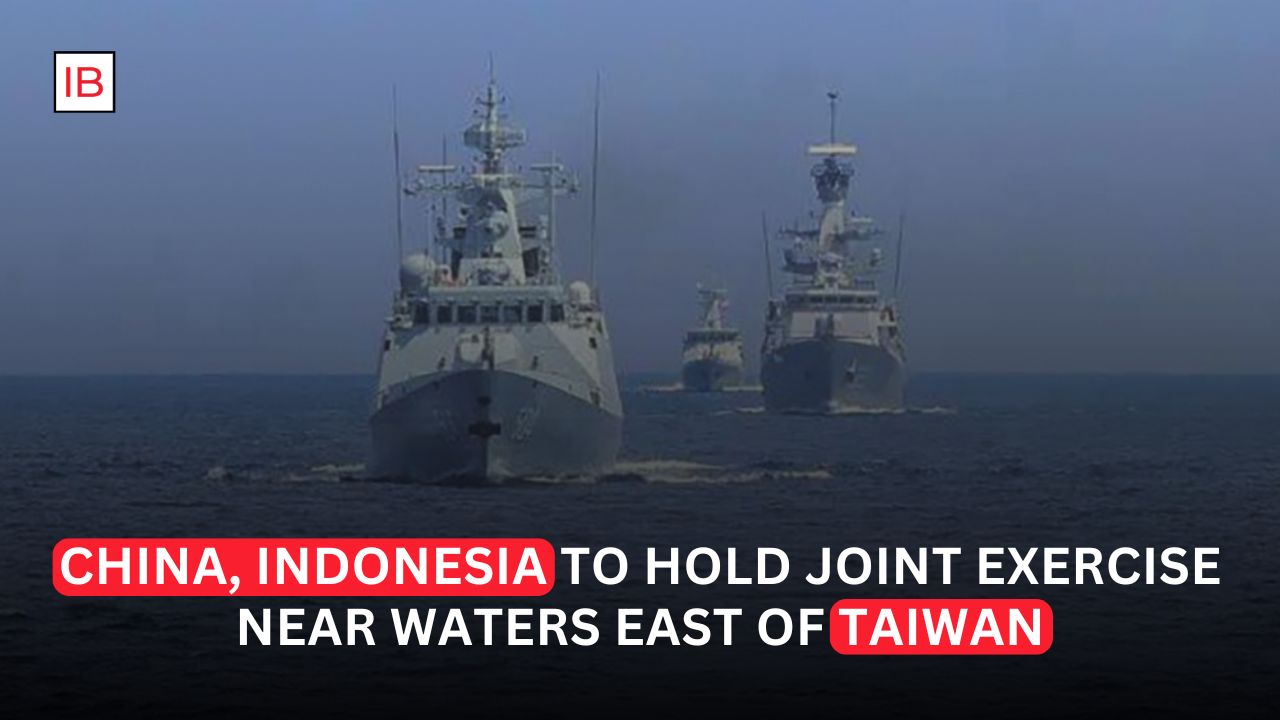
China and Indonesia are preparing to conduct a joint naval exercise in waters east of Taiwan later this month, adding a new dimension to Beijing’s growing military activity around the island and highlighting its expanding defense relationship with Jakarta.
China’s Defense Ministry said a Chinese navy warship will conduct a joint “navigation exercise” with an Indonesian navy ship in the middle of August. The drill will focus on communications and at-sea replenishment, with the stated goal of improving the two navies’ operational capabilities and strengthening practical cooperation.
The planned location is particularly notable because waters east of Taiwan are strategically sensitive and sit along important routes connecting the Western Pacific with the waters surrounding the island.
China Expands Naval Activity Near Taiwan
The exercise comes as China continues to increase the frequency and complexity of military activity around Taiwan.
Beijing claims Taiwan as part of its territory and has stepped up military operations around the island in recent years. China’s military drills have increasingly involved naval forces, aircraft and other military units operating in areas surrounding Taiwan.
The latest exercise is different because it involves a foreign military partner.
Rather than being solely a Chinese operation, the planned drill brings Indonesia’s navy into an exercise in a strategically sensitive area.
That makes the event significant for regional security observers, even though China and Indonesia have described the activity as a routine effort to improve cooperation.
Communication and Replenishment at Sea
The planned exercise is expected to concentrate on relatively practical naval activities rather than large-scale combat scenarios.
The Chinese Defense Ministry said the drill will involve:
- Naval communication exercises
- Replenishment operations at sea
- Joint navigation
- Improving operational coordination
- Strengthening practical military cooperation
Replenishment at sea is an important capability for naval forces because it allows ships to remain deployed for longer periods without returning to port.
The ability to communicate and coordinate between vessels is also essential for multinational naval operations.
For Indonesia, participation could provide additional experience operating alongside one of Asia’s largest naval forces.
Indonesia Maintains Broad Defense Relationships
Indonesia has traditionally maintained a relatively independent foreign-policy position while developing military relationships with a wide range of countries.
Jakarta participates in multinational exercises with countries including the United States, Australia, Japan and others.
Indonesia’s participation in the Super Garuda Shield exercises, for example, has involved numerous international military partners and is designed to strengthen interoperability and regional cooperation.
The planned exercise with China therefore fits into Indonesia’s broader approach of maintaining defense relationships across multiple major powers.
However, conducting a naval exercise east of Taiwan gives the cooperation a particularly sensitive geographic dimension.
Taiwan Remains on High Alert
The announcement also comes as Taiwan is conducting its own major military exercises.
Taiwan began its annual Han Kuang war games on Aug. 5, with the 10-day exercise designed to test the island’s ability to respond to a potential Chinese attack.
The drills have included naval deployments, aircraft operations, coastal defense exercises and scenarios involving communications disruptions. More than 20,000 reservists are participating.
Taiwan has also conducted coastal strike exercises involving naval and coast guard forces, reflecting concerns about China’s growing military capabilities.
The timing means that China’s planned exercise with Indonesia will take place against a backdrop of heightened military activity across the surrounding waters.
The Strategic Importance of Taiwan’s Eastern Waters
The waters east of Taiwan are strategically important because they provide access to the wider Pacific Ocean.
Taiwan’s mountainous geography and position along the first island chain make its eastern coastline particularly significant in any potential regional military scenario.
For China, operating in waters east of Taiwan can demonstrate that its naval forces are capable of moving beyond the Taiwan Strait and operating farther into the Pacific.
For regional militaries, China’s ability to conduct operations in these waters is therefore closely watched.
The addition of an Indonesian vessel could also provide an opportunity for China to demonstrate its ability to conduct cooperative naval operations outside its immediate coastal environment.
A New Dimension to China-Indonesia Defense Ties
China and Indonesia have maintained growing economic and diplomatic relations, but their defense cooperation has attracted increasing attention.
Joint military activities can help both sides improve communication and develop familiarity between their armed forces.
For Beijing, stronger defense ties with Indonesia could support its broader effort to deepen relationships across Southeast Asia.
For Jakarta, maintaining military cooperation with China provides another channel for engagement with a major regional power while preserving its relationships with other countries.
The exercise therefore has significance beyond the ships directly involved.
Regional Powers Are Watching Closely
The planned drill comes as military competition across the Indo-Pacific continues to intensify.
Countries throughout the region are increasing defense spending, expanding naval capabilities and conducting more frequent military exercises.
The United States and its allies have increased their military cooperation across the Indo-Pacific, while China has expanded its own naval operations and partnerships.
At the same time, countries such as Indonesia have sought to avoid becoming locked into a single strategic camp.
This creates a complicated regional environment in which military exercises can simultaneously serve practical training purposes and carry broader geopolitical significance.
China Signals Wider Naval Reach
The exercise may also demonstrate China’s growing confidence in operating with partner countries beyond its immediate waters.
Chinese naval forces have increasingly conducted exercises and deployments farther from the country’s coastline.
Joint operations with foreign navies can help improve the People’s Liberation Army Navy’s experience in multinational maritime activities while building relationships that could become strategically valuable in the future.
For Indonesia, the exercise offers an opportunity to gain experience with China’s naval forces without necessarily signaling a fundamental shift in Jakarta’s broader foreign policy.
Looking Ahead
The planned China-Indonesia naval exercise east of Taiwan will be closely watched because of its location and timing.
Although Beijing has described the exercise as an effort to improve communication, replenishment and operational cooperation, the geographic setting makes it more significant than a routine naval drill.
Taiwan is simultaneously conducting major military exercises, while China continues to expand its military activity around the island and across the wider Indo-Pacific.
For Indonesia, the exercise highlights its strategy of maintaining defense relationships with multiple major powers. For China, it provides another opportunity to demonstrate naval reach and strengthen military cooperation with a major Southeast Asian country.
The immediate exercise may be limited in scope, but its significance could extend beyond the participating ships. As military activity increases across the Indo-Pacific, naval cooperation, access to strategic waters and relationships between regional powers will become increasingly important factors in shaping Asia’s security environment.