Resource-Rich Nation Continues Reviewing Policies Aimed at Increasing Domestic Industrial Value
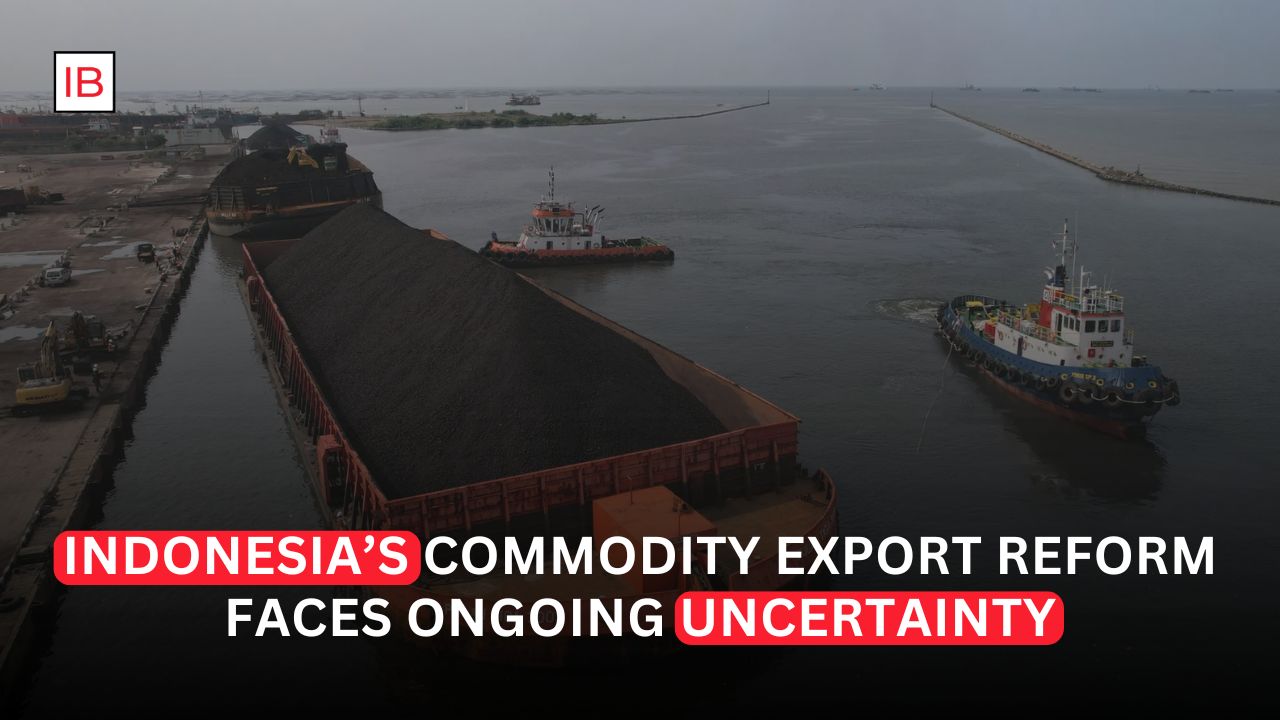
Indonesia’s ambitious plan to overhaul its commodity export strategy remains a work in progress as policymakers continue debating how best to maximize the value of the country’s vast natural resources while maintaining economic competitiveness. The government has spent recent years promoting policies designed to reduce exports of raw materials and encourage greater domestic processing, hoping to transform Indonesia from a supplier of basic commodities into a major producer of higher-value industrial products.
While the strategy has already reshaped sectors such as nickel mining and metal refining, officials continue adjusting plans covering additional commodities including copper, bauxite, tin, and other strategic minerals. The evolving policy reflects the government’s broader objective of building downstream industries, attracting manufacturing investment, creating skilled employment, and strengthening long-term economic growth. However, uncertainty surrounding implementation timelines, export restrictions, and regulatory changes continues creating challenges for businesses and international investors seeking clarity over Indonesia’s future resource policies.
Shift Toward Value-Added Exports
Indonesia’s strategy focuses on processing natural resources domestically before exporting them.
Rather than shipping raw materials overseas, policymakers want companies to produce:
- Refined metals.
- Battery materials.
- Industrial chemicals.
- Higher-value manufactured products.
Officials argue that domestic processing captures more economic value while supporting industrial development and job creation.
The policy represents one of Indonesia’s largest structural economic reforms in decades.
Nickel Strategy Sets the Example
Indonesia has already transformed the global nickel market through export restrictions on unprocessed ore.
The policy encouraged billions of dollars in investment across:
- Nickel smelters.
- Battery materials.
- Stainless steel production.
- Electric vehicle supply chains.
Today, Indonesia has become one of the world’s largest producers of refined nickel products, supplying manufacturers across Asia, Europe, and North America.
Government officials view this experience as evidence that downstream industrial policies can successfully reshape the country’s economy.
Additional Commodities Under Review
Authorities continue evaluating similar approaches for several other important export sectors.
Potential industries include:
- Copper.
- Bauxite.
- Tin.
- Rare earth minerals.
- Other strategic resources.
However, implementation remains under discussion as officials attempt to balance industrial development with export competitiveness and investment attractiveness.
Government Seeks Greater Industrial Investment
Indonesia hopes stronger processing requirements will attract additional foreign investment.
Priority sectors include:
- Metal refining.
- Electric vehicle manufacturing.
- Battery production.
- Advanced manufacturing.
- Industrial processing.
Officials believe expanding domestic industry can generate higher incomes while reducing dependence on exports of raw commodities.
Businesses Seek Regulatory Certainty
Although many investors support Indonesia’s long-term industrial ambitions, companies continue requesting greater policy clarity.
Businesses remain focused on:
- Export regulations.
- Processing requirements.
- Investment incentives.
- Implementation schedules.
- Licensing procedures.
Stable and predictable regulations remain essential for companies making multibillion-dollar investments in mining and industrial facilities.
Global Supply Chains Watch Closely
Indonesia’s resource policies influence international commodity markets because the country remains one of the world’s largest suppliers of several critical minerals.
Changes in export policy can affect:
- Global metal prices.
- Manufacturing costs.
- Electric vehicle supply chains.
- Battery production.
International manufacturers therefore continue monitoring regulatory developments closely.
Balancing Growth and Competitiveness
Government officials acknowledge that achieving long-term industrial transformation requires careful policy design.
Important considerations include:
- Maintaining export revenues.
- Encouraging investment.
- Supporting local industry.
- Preserving international competitiveness.
Officials continue consulting businesses and industry groups while refining future export policies.
Strategic Importance Grows
Indonesia’s resource sector has become increasingly important as global demand expands for minerals supporting clean energy and advanced technology.
Growing demand exists for materials used in:
- Electric vehicles.
- Renewable energy.
- Data centers.
- Artificial intelligence infrastructure.
- Electronics manufacturing.
This increasing global demand strengthens Indonesia’s strategic position within international commodity markets.
Looking Ahead
Indonesia’s evolving commodity export strategy reflects the government’s long-term ambition to move beyond exporting raw materials and build a stronger domestic industrial economy. By encouraging local processing, expanding manufacturing capacity, and attracting investment into downstream industries, policymakers hope to create higher-value exports, stronger employment growth, and greater economic resilience. While important progress has already been achieved in sectors such as nickel, additional reforms covering other commodities remain under active review as officials continue refining implementation plans.
Looking forward, the success of Indonesia’s strategy will depend on maintaining investor confidence while balancing industrial policy with international competitiveness. Clear regulations, stable investment conditions, and continued infrastructure development will likely determine how effectively the country transforms its abundant natural resources into long-term economic growth and higher-value industrial production.