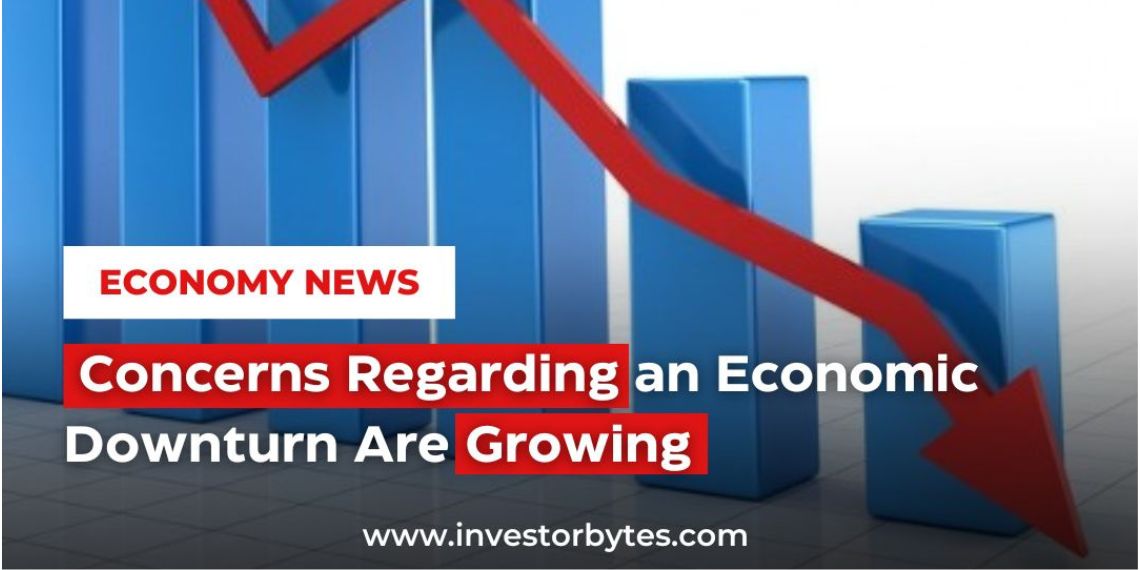
Economic concerns are once again making headlines, as indicators suggest a potential downturn on the horizon. Understanding what Economic Downturn entail and how they affect various aspects of our lives is crucial. This article explores the current economic situation, the contributing factors, and how individuals and businesses can prepare for and navigate through these challenging times.
Understanding Economic Downturns
Definition and Characteristics of an Economic Downturn
An economic downturn refers to a period when the economy experiences a decline in activity, often marked by reduced consumer spending, business investment, and overall economic output. Characteristics include rising unemployment rates, lower industrial production, and shrinking GDP.
Common Causes of Economic Downturns
Economic downturns can be triggered by various factors such as financial crises, significant changes in consumer behavior, supply chain disruptions, and geopolitical events. These factors can disrupt the balance between supply and demand, leading to economic contraction.
Historical Examples of Economic Downturns
Historical examples include the Great Depression of the 1930s, the oil crisis of the 1970s, and the financial crisis of 2008. Each of these downturns was caused by a combination of unique factors, but they all had widespread and lasting impacts on the global economy.
Current Economic Indicators
Analysis of Current Economic Data
Recent data suggests several red flags for the global economy. Rising inflation rates, increasing energy costs, and supply chain issues are among the primary concerns. Economists are closely monitoring these indicators to assess the risk of an imminent downturn.
Key Indicators Signaling a Potential Downturn
Key indicators include a slowdown in GDP growth, rising unemployment claims, decreasing consumer confidence, and declining business investment. These signs suggest that the economy could be heading towards a period of contraction.
Comparison with Previous Downturns
Comparing current conditions with past downturns can provide insights into potential outcomes. For instance, similarities between the current inflationary pressures and those of the 1970s oil crisis can help predict possible scenarios and responses.
Factors Contributing to Current Concerns
Global Supply Chain Disruptions
The COVID-19 pandemic has left a lasting impact on global supply chains. Ongoing disruptions have led to shortages of key materials and goods, driving up prices and slowing economic recovery.
Inflation and Rising Costs of Living
Inflation rates have surged, partly due to supply chain issues and increased demand as economies reopen. This rise in the cost of living is eroding purchasing power and increasing financial strain on households.
Geopolitical Tensions and Uncertainties
Geopolitical tensions, such as the conflict in Ukraine and trade disputes between major economies, add to the uncertainty. These tensions can disrupt trade flows and negatively impact global economic stability.
Monetary Policy and Interest Rates
Central banks worldwide are adjusting monetary policies in response to inflation. Interest rate hikes aimed at controlling inflation can also slow economic growth, increasing the risk of a downturn.
Impact on Businesses and Consumers
Effects on Small and Large Businesses
Businesses, particularly small ones, are facing higher operational costs and supply chain challenges. Large corporations, while more resilient, also need to navigate these issues, which can affect profitability and investment plans.
Impact on Consumer Spending and Confidence
Rising costs and economic uncertainty are affecting consumer confidence and spending habits. Reduced spending can lead to lower demand for goods and services, further slowing economic growth.
Job Market and Employment Concerns
The job market is showing signs of stress, with some sectors experiencing layoffs and hiring freezes. Job security concerns can lead to reduced consumer spending, creating a feedback loop that exacerbates economic problems.
Government and Central Bank Responses
Fiscal Policies to Mitigate Economic Slowdown
Governments are implementing fiscal policies, such as stimulus packages and tax relief, to support economic activity. These measures aim to boost spending and investment to counteract the downturn.
Actions Taken by Central Banks
Central banks are using tools like interest rate adjustments and quantitative easing to manage inflation and support economic stability. The effectiveness of these measures is critical in determining the economy’s trajectory.
Effectiveness of These Measures
The success of government and central bank interventions varies. While some measures provide immediate relief, others may take time to impact the economy. Monitoring and adjusting these policies are essential to mitigating the downturn’s effects.
Investment Strategies During an Economic Downturn
Diversifying Investments
Diversification is key to managing risk during economic downturns. By spreading investments across various asset classes, investors can reduce the impact of poor performance in any single area.
Safe-Haven Assets and Their Role
Safe-haven assets, such as gold, government bonds, and certain currencies, tend to retain value during economic uncertainty. Investing in these assets can provide stability and protect wealth.
Long-Term vs. Short-Term Investment Approaches
Balancing long-term and short-term strategies is crucial. While short-term approaches can take advantage of market volatility, long-term investments typically weather downturns better and provide sustained growth.
Preparing for Potential Downturns
Personal Finance Tips for Individuals
Individuals should focus on building emergency funds, reducing debt, and maintaining a diversified investment portfolio. Staying informed and planning for potential financial challenges can provide security.
Business Strategies for Resilience
Businesses can enhance resilience by managing cash flow, diversifying supply chains, and investing in technology to improve efficiency. Strategic planning and flexibility are essential for navigating economic challenges.
Importance of Having an Emergency Fund
An emergency fund provides a financial buffer during tough times. It can cover unexpected expenses and help maintain financial stability when income is disrupted.
Opportunities in Economic Downturns
Sectors That Thrive During Downturns
Certain sectors, such as healthcare, utilities, and consumer staples, tend to perform well during downturns. Investing in these sectors can offer stability and growth opportunities.
Investment Opportunities in Distressed Assets
Economic downturns can create opportunities to invest in undervalued or distressed assets. Savvy investors can capitalize on these opportunities for substantial long-term gains.
Benefits of Innovation and Adaptability
Economic challenges often drive innovation and adaptability. Businesses that can innovate and adapt to changing conditions are more likely to succeed and thrive.
What is an economic downturn?
An economic downturn is a period when economic activity declines, marked by reduced consumer spending, business investment, and overall economic output.
How can I protect my finances during a downturn?
Building an emergency fund, diversifying investments, and reducing debt can help protect your finances during a downturn.
What are safe-haven assets?
Safe-haven assets, such as gold and government bonds, tend to retain value during economic uncertainty and can provide stability.
How do government policies impact economic downturns?
Government policies, such as stimulus packages and tax relief, can support economic activity and mitigate the effects of a downturn.
Are there opportunities for growth during economic downturns?
Yes, sectors like healthcare and consumer staples often thrive during downturns, and distressed assets can offer substantial long-term investment opportunities.