Party Focuses on Cost of Living, Healthcare and Swing Districts as Midterm Campaign Enters Final Stretch
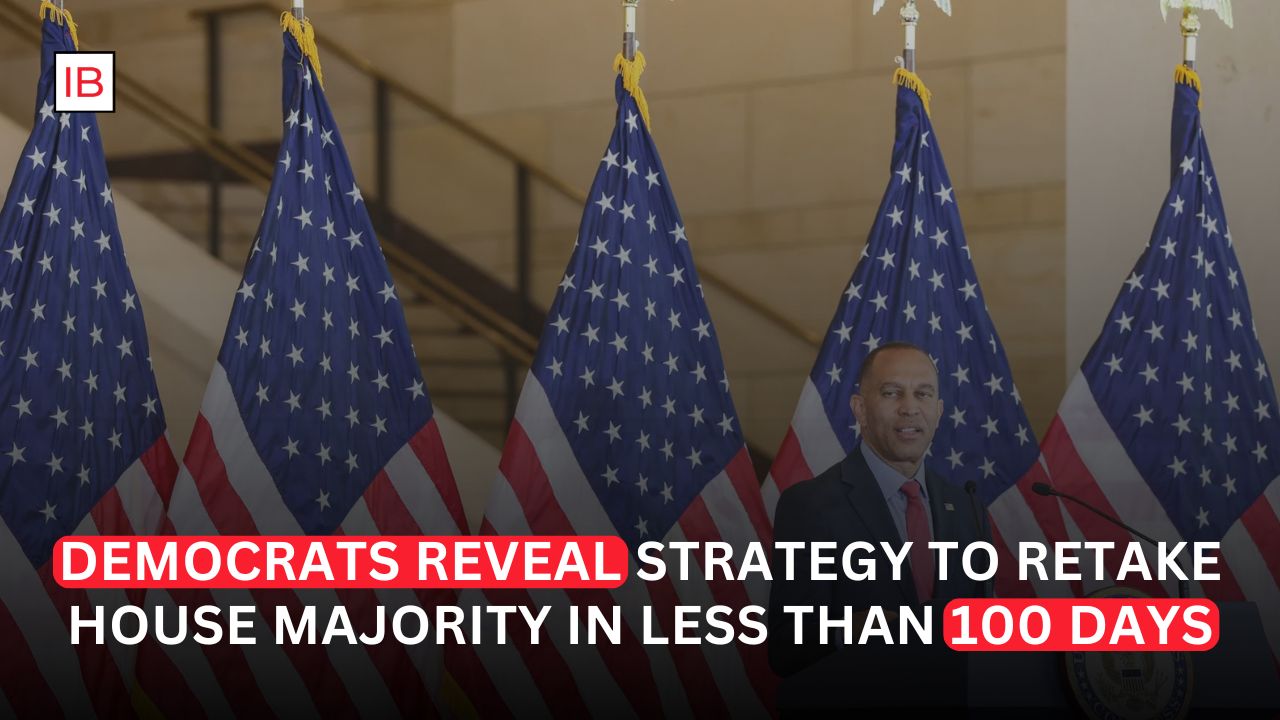
With fewer than 100 days remaining before the 2026 U.S. midterm elections, Democrats are rolling out an aggressive nationwide strategy aimed at reclaiming control of the House of Representatives. Party leaders believe growing voter frustration over the economy, healthcare costs, and recent political controversies has created an opportunity to flip enough competitive districts to regain the congressional majority. While Republicans continue defending their narrow control of the chamber, Democrats are concentrating resources on a limited number of closely contested races that are expected to determine which party controls Congress after November.
The campaign reflects Democrats’ belief that the election will ultimately be decided by everyday economic concerns rather than ideological debates. Party officials are emphasizing affordability, healthcare, housing costs, and middle-class economic security while attempting to present themselves as an alternative to Republican policies supported by President Donald Trump. At the same time, Democratic leaders are working to avoid internal divisions that could weaken their position in competitive districts.
Affordability Becomes the Central Message
House Democratic Leader Hakeem Jeffries has launched a nationwide campaign centered on what Democrats call a “Fighting for an Affordable America” agenda.
The strategy focuses heavily on issues affecting household budgets, including:
- Lowering healthcare costs.
- Reducing everyday living expenses.
- Supporting middle-class families.
- Expanding affordable housing.
- Strengthening economic opportunities.
Party leaders believe these “kitchen table” issues resonate more strongly with swing voters than broader partisan arguments and will play a decisive role in competitive House races.
Targeting Key Battleground Districts
Rather than attempting to compete everywhere, Democrats are directing campaign resources toward fewer than 20 highly competitive congressional districts that are expected to determine control of the House.
These battlegrounds include suburban and moderate districts where:
- Independent voters hold significant influence.
- Previous elections were decided by narrow margins.
- Economic concerns dominate voter priorities.
- Candidate quality could prove decisive.
Campaign investments include advertising, grassroots organizing, fundraising, and expanded voter outreach operations.
Republicans Defend Narrow Majority
Republicans continue expressing confidence that they can retain House control despite historical trends that often favor the opposition party during midterm elections.
GOP leaders are highlighting:
- Recent legislative accomplishments.
- Border security measures.
- Tax policies.
- National security initiatives.
- Economic growth arguments.
House Speaker Mike Johnson has begun campaigning aggressively for Republican incumbents while emphasizing the importance of preserving the party’s congressional majority.
Democrats Face Internal Challenges
Although Democrats are optimistic about the overall political environment, internal divisions continue creating challenges in several key races.
Recent primary elections have exposed disagreements between:
- Progressive candidates.
- Moderate Democrats.
- Establishment party leaders.
- Grassroots activists.
Some centrist Democrats worry that candidates associated with more progressive positions could struggle in swing districts, while progressives argue their message better reflects voter frustration and enthusiasm.
Polls Offer Encouragement
National polling has generally shown Democrats holding an advantage on the generic congressional ballot.
Many political analysts believe:
- Economic dissatisfaction benefits Democrats.
- Historical midterm trends favor the opposition party.
- Competitive districts remain highly unpredictable.
- Candidate quality will remain extremely important.
However, party strategists caution that national polling does not always translate directly into victories within individual congressional districts.
Voter Turnout Will Be Critical
Both parties are placing significant emphasis on voter mobilization.
Democrats plan to increase turnout among:
- Younger voters.
- Suburban families.
- Minority communities.
- Independent voters.
- College-educated professionals.
Republicans are simultaneously working to energize their own coalition through messaging focused on border security, taxation, and economic performance.
Leadership Emphasizes Accountability
Jeffries has argued that voters should use the election to hold Republicans accountable for their handling of major national issues.
Democratic messaging increasingly focuses on:
- Cost of living.
- Healthcare affordability.
- Economic security.
- Government accountability.
- Protecting middle-class families.
Party officials believe these themes offer the strongest opportunity to persuade undecided voters in competitive districts.
Looking Ahead
With fewer than 100 days remaining before Election Day, Democrats are entering the campaign’s most important phase with a clear focus on affordability, healthcare, and economic security. Rather than spreading resources across the country, the party is concentrating on a relatively small number of competitive districts where even modest shifts in voter preferences could determine control of the House of Representatives.
Republicans, meanwhile, remain determined to defend their narrow majority by highlighting legislative achievements and President Trump’s agenda. As both parties intensify campaigning, the battle for the House is expected to become one of the closest and most expensive congressional elections in recent history. Ultimately, turnout, candidate quality, and voters’ perceptions of the economy are likely to decide which party controls Congress after November.