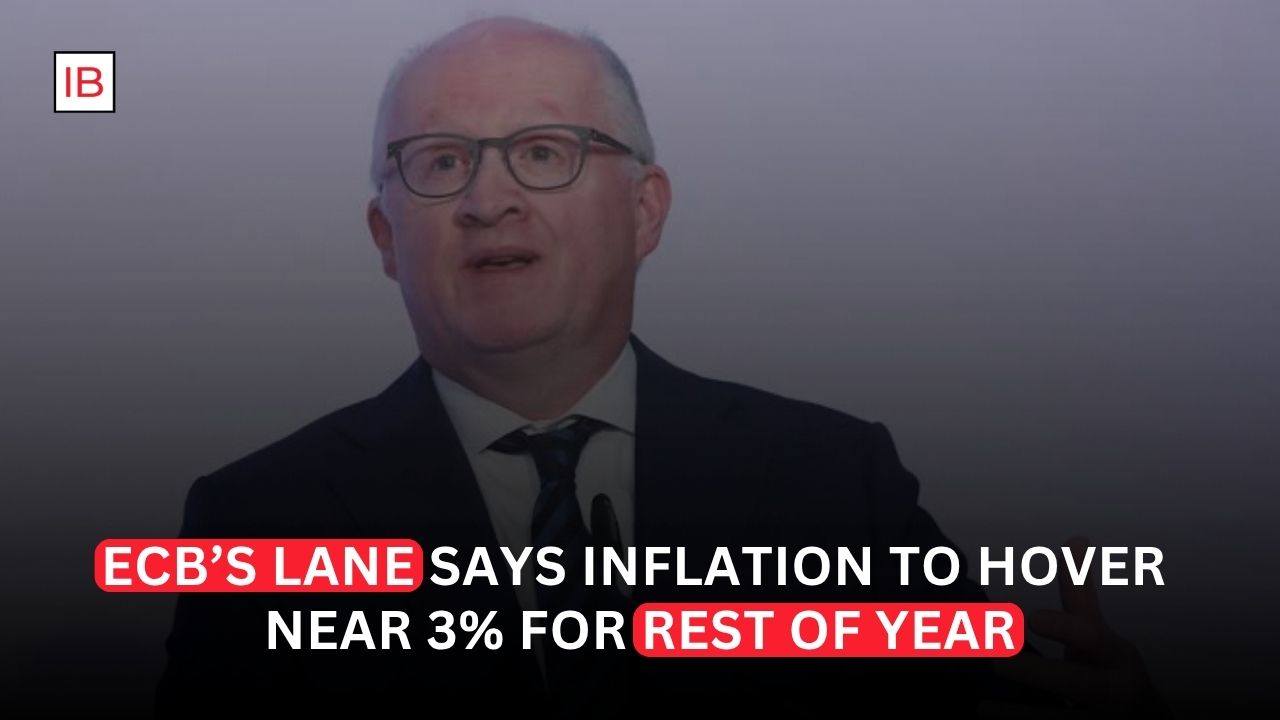
Euro-area inflation is likely to remain around 3% for the rest of 2026, European Central Bank Chief Economist Philip Lane said, highlighting the continuing impact of elevated energy costs and signaling that the central bank may need to keep monetary policy restrictive for longer than previously expected.
Lane’s comments come as policymakers confront an inflation shock that has pushed price growth well above the ECB’s 2% target. The latest outlook reflects the continuing effects of the conflict in the Middle East, which has disrupted energy markets and kept oil prices elevated.
The warning is important because inflation had been expected to move closer to the ECB’s target before the latest energy shock changed the outlook. Instead, higher energy prices have begun working their way through the European economy, increasing costs for businesses and households and raising the risk that inflation will remain above target for longer.
Lane said the inflation outlook is closely tied to developments in energy markets. If oil and other energy prices remain elevated, the pressure on consumer prices could persist. The ECB’s own projections had already indicated that headline inflation could average around 3% in 2026, before declining toward 2.3% in 2027 and 2% in 2028.
The energy shock has created a difficult problem for the ECB because monetary policy cannot directly increase the supply of oil or resolve geopolitical disruptions. Higher interest rates can weaken demand and limit the extent to which an initial energy-price increase spreads into wages and other prices, but they cannot eliminate the original supply shock.
That leaves policymakers focused on preventing a temporary increase in energy costs from becoming a more persistent inflation problem.
The risk of so-called second-round effects is particularly important. If companies pass higher energy and transportation costs on to consumers, while workers demand higher wages to compensate for declining purchasing power, inflation can become more deeply embedded in the economy. Lane has previously warned that the current shock could put upward pressure on wages and other prices even after the initial energy disruption fades.
Food is emerging as another important source of inflationary pressure. According to comments reported Tuesday, Lane said food inflation is currently relatively low but could become one of the main drivers of overall inflation in 2027. Weather-related disruptions could add further pressure, particularly if poor harvests affect food supply and prices.
This creates an uncomfortable outlook for European consumers. Energy prices can affect household budgets directly through fuel and heating costs, while higher transportation and production expenses can raise prices for a much wider range of goods and services.
The persistence of inflation is also complicating expectations for ECB interest rates. Financial markets have increasingly priced in another rate increase as policymakers attempt to prevent inflation expectations from becoming unanchored. A Reuters poll published earlier this month showed that economists broadly expected the ECB to raise its deposit rate again in September, with most respondents expecting the rate to remain at that level for an extended period.
The expected increase would follow the ECB’s June rate hike, which was itself a response to the inflationary consequences of higher energy prices. The central bank subsequently paused, but policymakers have continued signaling that inflation risks remain significant.
The situation is particularly difficult because economic growth has not collapsed. The euro-area economy expanded by 0.4% in the latest quarter, outperforming earlier expectations. That resilience gives the ECB more room to focus on inflation without immediately having to prioritize emergency support for economic activity.
At the same time, higher interest rates could eventually weaken demand. Businesses face more expensive financing, while households may become more cautious about borrowing and spending. If energy prices remain high for an extended period, consumers could also have less disposable income available for discretionary purchases.
The ECB therefore faces a classic policy dilemma: tightening monetary policy can help contain persistent inflation but may also slow an economy already dealing with an external energy shock.
There are signs that the euro-area economy has some protection against a sharper downturn. Lane has pointed to household savings, investment in artificial intelligence and increased defense spending as sources of resilience. Government investment in infrastructure and defense could also support economic activity even as higher energy costs weigh on private consumption and investment.
However, those positive factors do not remove the inflation problem. Stronger investment and government spending could support demand at a time when the ECB is trying to prevent price pressures from becoming entrenched.
The outlook is therefore highly dependent on the path of energy prices. A significant easing in Middle East tensions could reduce oil prices and allow inflation to decline more quickly. A prolonged disruption, particularly around major shipping routes such as the Strait of Hormuz, could keep energy costs elevated and force the ECB to maintain a tighter stance.
For financial markets, Lane’s comments reinforce the possibility that European interest rates will remain higher for longer. Government bond yields could stay under pressure, while investors may reassess expectations for European equities, currencies and credit markets.
The euro could also receive support if investors expect the ECB to maintain higher rates relative to other major central banks. But stronger European borrowing costs could simultaneously weigh on businesses and governments, particularly those carrying significant debt.
The biggest issue is whether the current inflation shock remains temporary or becomes embedded in the broader economy. The ECB has learned from the inflation surge of recent years that allowing expectations and wage pressures to become entrenched can make disinflation much more costly.
Lane’s latest warning suggests policymakers are not yet convinced that the danger has passed. With inflation potentially hovering around 3% through the remainder of 2026, the ECB may have little choice but to remain focused on price stability even as higher rates create additional pressure on economic growth.
For investors and households, the message is straightforward: the European inflation story is not finished. Energy prices remain the biggest immediate variable, food costs could become increasingly important, and interest rates may stay elevated until policymakers are confident that inflation is moving sustainably toward the ECB’s 2% target.