US Senator Requests Details on Alleged Interactions Linked to Jeffrey Epstein and UK Bonus Tax Lobbying
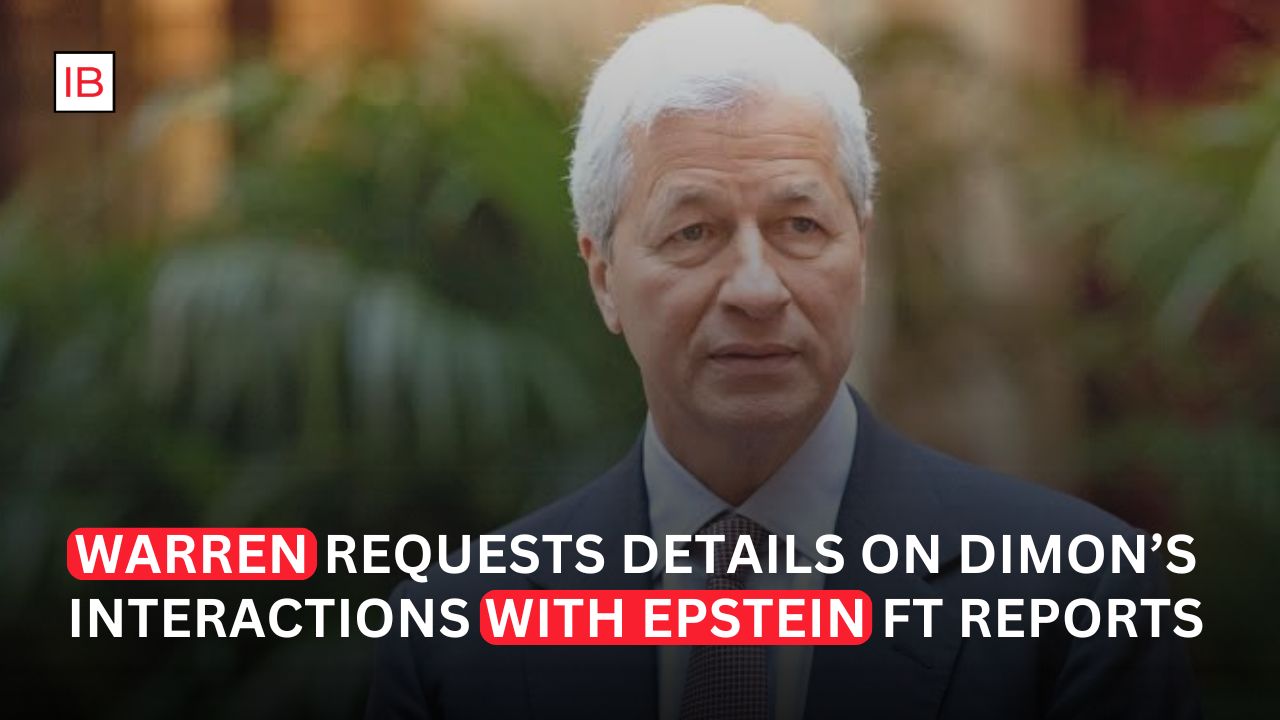
U.S. Senator Elizabeth Warren has asked JPMorgan Chase CEO Jamie Dimon to provide detailed information about any interactions involving convicted sex offender Jeffrey Epstein, following newly disclosed documents that have raised fresh questions about the bank’s historical relationship with Epstein.
In a letter sent to Dimon, Warren requested documents and communications related to reports suggesting Epstein may have attempted to influence discussions surrounding a proposed UK tax on bankers’ bonuses through contacts connected to JPMorgan.
Warren Requests Greater Transparency
As the ranking Democrat on the Senate Banking Committee, Warren said Congress and the public deserve a clearer understanding of any relationship between JPMorgan, its senior executives, and Epstein.
Her request seeks information including:
- Communications involving Jamie Dimon
- Contacts between JPMorgan employees and Jeffrey Epstein
- Correspondence with UK government officials
- Internal records related to the reported lobbying efforts
- Documents concerning Epstein’s relationship with the bank
The request follows the release of additional Justice Department records related to Epstein earlier this year.
Reports Focus on UK Bonus Tax Discussions
According to reports, newly released emails suggest Epstein discussed Britain’s proposed banker bonus tax with then-UK Business Secretary Peter Mandelson.
The communications allegedly referenced the possibility of Jamie Dimon contacting then-Chancellor Alistair Darling regarding the proposed tax on bankers’ bonuses.
The documents have prompted renewed scrutiny over whether Epstein attempted to influence public policy discussions through high-profile financial and political contacts.
JPMorgan Rejects Allegations
JPMorgan has reiterated that Jamie Dimon never met Jeffrey Epstein and was not involved in decisions regarding Epstein’s banking relationship with the firm.
The bank also stated that while Dimon regularly expressed his views on economic policy, any suggestion that he acted on Epstein’s advice is false.
JPMorgan ended its banking relationship with Epstein in 2013 and has previously said it regrets maintaining him as a client.
Epstein’s Relationship With JPMorgan Remains Under Scrutiny
Jeffrey Epstein was a client of JPMorgan for approximately 15 years before the relationship ended.
The bank has continued to face legal and political scrutiny over its handling of that relationship, including questions about internal oversight and risk management.
In 2023, JPMorgan agreed to pay $290 million to settle lawsuits brought by Epstein’s victims without admitting wrongdoing.
Political and Regulatory Attention Continues
The latest request from Warren reflects continued congressional interest in examining the banking industry’s past dealings with Epstein.
Lawmakers are expected to focus on:
- Corporate governance
- Executive accountability
- Compliance procedures
- Risk management
- Transparency within major financial institutions
The issue remains part of broader efforts to determine whether financial institutions adequately responded to concerns surrounding Epstein over many years.
Dimon Faces Fresh Questions
Although Dimon has consistently denied having any personal relationship with Epstein, Warren’s letter seeks clarification on whether additional communications or documents exist that have not previously been disclosed.
The senator has requested that JPMorgan provide responses and supporting records to help clarify the extent of any interactions connected to the newly released documents.
Looking Ahead
Elizabeth Warren’s latest inquiry places renewed attention on JPMorgan’s historical ties to Jeffrey Epstein and raises fresh questions about communications involving senior executives. While Jamie Dimon and the bank continue to deny any improper relationship or influence, the newly released documents have intensified political scrutiny.
As Congress reviews the new information, JPMorgan’s response to Warren’s requests could shape the next phase of oversight into one of Wall Street’s most closely watched controversies.