Weak Hiring, Lower Workforce Participation, and Rising Economic Uncertainty Complicate Outlook for the Federal Reserve
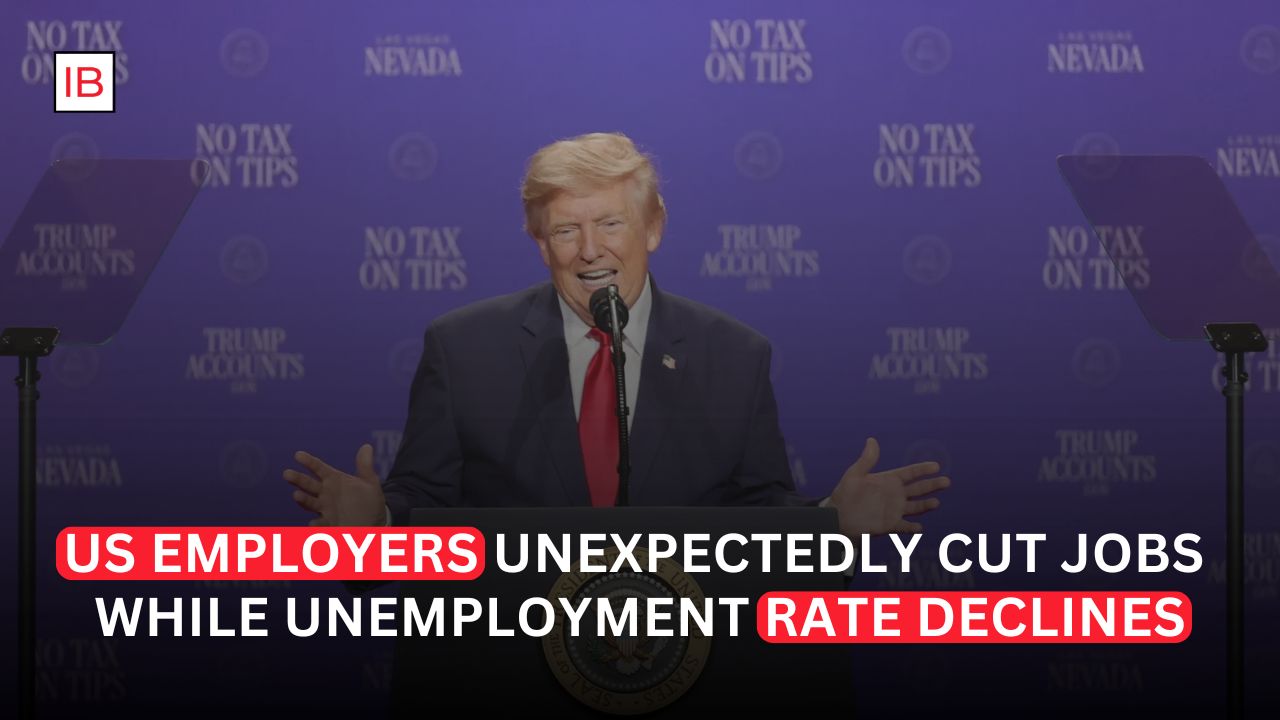
The U.S. labor market delivered an unexpected surprise as employers cut jobs in July, marking the first monthly decline in employment in several months and raising fresh concerns about the strength of the American economy. Despite the decline in payrolls, the unemployment rate edged lower to 4.1% from 4.2%, creating an unusual combination that reflects weaker labor force participation rather than stronger hiring. The mixed report has complicated the outlook for monetary policy, with investors reassessing expectations for future interest rate decisions by the Federal Reserve.
According to the latest labor market data, 23,000 jobs were lost in July, sharply missing economists’ expectations for continued employment growth. In addition, previously reported job gains for May and June were revised lower, indicating that hiring momentum had been weaker than initially believed. Economists said the report suggests employers are becoming increasingly cautious as businesses navigate slowing economic growth, persistent inflationary pressures, and geopolitical uncertainty.
Unexpected Payroll Decline
The July employment report showed:
- 23,000 jobs lost during the month.
- Hiring significantly below market expectations.
- Downward revisions to previous months’ employment data.
The combination of weaker current hiring and lower revisions indicates that labor market conditions have softened more than previously understood.
Why Unemployment Fell
Although payroll employment declined, the unemployment rate unexpectedly moved lower.
The decline was largely attributed to:
- Fewer people actively participating in the labor force.
- Slower labor force growth.
- Some job seekers temporarily exiting the employment market.
A lower unemployment rate therefore does not necessarily indicate stronger hiring when labor force participation also declines.
Labor Force Participation Weakens
One of the report’s most closely watched indicators was labor force participation.
Participation declined as fewer Americans were either working or actively seeking employment.
Economists noted that weaker participation can temporarily lower the unemployment rate even during periods of slowing employment growth.
Hiring Momentum Continues Slowing
Private-sector hiring remained subdued across several industries.
While healthcare continued adding workers, other sectors—including leisure and hospitality—recorded employment declines.
Businesses appear increasingly cautious about expanding payrolls amid slower economic growth and elevated borrowing costs.
Federal Reserve Faces More Difficult Decisions
The labor market data arrives as Federal Reserve officials continue balancing inflation risks against slowing economic activity.
The report may influence future discussions regarding:
- Interest rates.
- Inflation control.
- Economic growth.
- Labor market stability.
Although inflation remains above target, weaker employment data may reduce pressure for additional monetary tightening.
Businesses Navigate Economic Uncertainty
Employers continue facing multiple challenges, including:
- Higher financing costs.
- Slower consumer spending.
- Geopolitical uncertainty.
- Rising operating expenses.
Many companies appear to be slowing hiring rather than implementing widespread layoffs, suggesting businesses remain cautious but are not yet anticipating a severe downturn.
Investors Watch Future Reports Closely
Financial markets responded by closely analyzing whether July represents a temporary setback or the beginning of a broader labor market slowdown.
Upcoming employment and inflation reports will likely play an important role in shaping expectations for Federal Reserve policy during the remainder of the year.
Looking Ahead
July’s employment report highlights a labor market that is gradually losing momentum after several years of remarkable resilience. The unexpected loss of jobs, combined with downward revisions to earlier payroll data, suggests hiring has slowed more sharply than many economists anticipated. At the same time, the decline in the unemployment rate reflects reduced labor force participation rather than stronger employment conditions, presenting a more complex picture of the U.S. economy.
Looking forward, policymakers, businesses, and investors will closely monitor whether this softer employment data marks the beginning of a sustained slowdown or a temporary fluctuation. Future inflation readings, consumer spending trends, and labor market reports will be critical in determining the direction of monetary policy and the overall trajectory of the U.S. economy during the second half of the year.