Shrinking Fuel Inventories and Iran-Related Risks Raise Concerns for Europe’s Aviation Industry
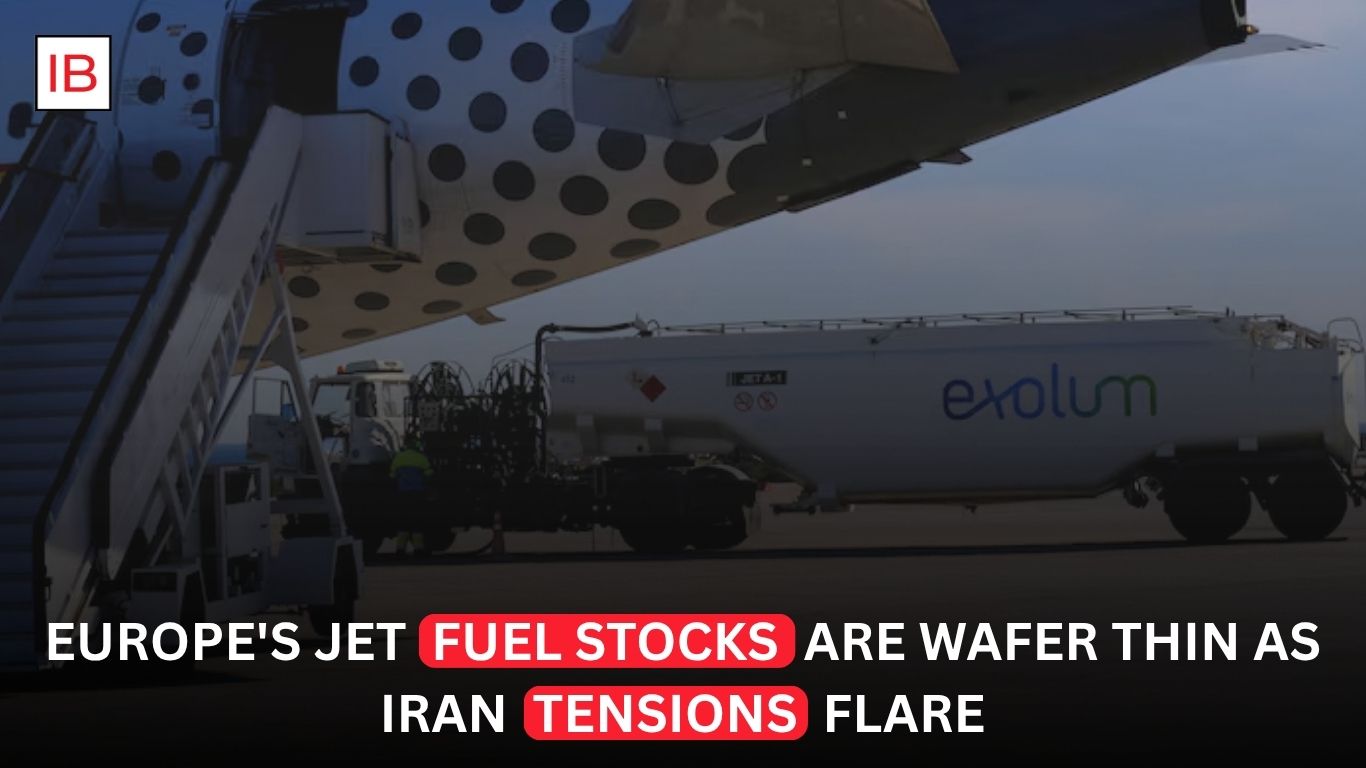
Europe’s jet fuel inventories have fallen to less than two months of supply, raising concerns across the aviation and energy sectors as geopolitical tensions involving Iran continue to threaten global fuel supply chains. Industry analysts warn that the combination of low stockpiles and potential disruptions in oil and fuel shipments could increase costs for airlines and place additional pressure on fuel markets.
The unusually low inventory levels leave Europe with a limited buffer against unexpected supply disruptions, making the region more vulnerable to geopolitical events and fluctuations in global energy markets.
Why Jet Fuel Stocks Are So Low
Several factors have contributed to the decline in Europe’s jet fuel reserves.
These include:
- Strong summer travel demand
- Reduced refinery production
- Ongoing supply chain constraints
- Higher global fuel consumption
- Lower-than-normal fuel inventories
As airlines continue operating at high capacity during the peak travel season, demand for aviation fuel has remained exceptionally strong.
Iran Tensions Add to Market Uncertainty
Growing tensions involving Iran have increased concerns about the security of global energy supplies.
Energy traders are closely monitoring developments that could affect:
- Crude oil exports
- Fuel shipping routes
- Refinery supply chains
- Maritime transportation
- Global fuel prices
Any disruption to energy shipments through key Middle Eastern trade routes could further tighten global jet fuel supplies and increase market volatility.
Airlines Face Rising Fuel Costs
Jet fuel is one of the largest operating expenses for airlines, and tighter supplies could lead to higher fuel prices in the coming months.
Airlines may face challenges such as:
- Increased operating costs
- Reduced profit margins
- Higher ticket prices
- Greater fuel price volatility
- More expensive hedging strategies
Carriers with limited fuel hedging protection could be particularly exposed if prices continue to rise.
Refiners Struggle to Meet Demand
European refineries continue operating at high utilization rates, but production has struggled to keep pace with seasonal demand.
Maintenance schedules, refinery closures in recent years, and shifting energy market dynamics have reduced the region’s ability to quickly rebuild fuel inventories.
As a result, Europe remains increasingly dependent on imported fuel supplies.
Energy Markets Closely Watching Supply Risks
Energy traders and market analysts are monitoring several developments that could influence fuel availability over the coming weeks.
Key factors include:
- Geopolitical developments in the Middle East
- Global refinery output
- Airline travel demand
- Crude oil production levels
- International shipping conditions
Any significant disruption could quickly affect both aviation fuel prices and broader energy markets.
Aviation Industry Remains Alert
Although there is currently no immediate fuel shortage, industry experts say airlines and fuel suppliers are closely monitoring inventory levels.
Companies are expected to continue managing fuel purchases carefully while preparing contingency plans in case supply conditions deteriorate further.
Maintaining stable fuel supplies remains a priority as international travel demand continues to recover.
Looking Ahead
Europe’s declining jet fuel inventories highlight the growing importance of energy security in an increasingly uncertain geopolitical environment. With less than two months of available supply and ongoing tensions surrounding Iran, airlines, fuel suppliers, and policymakers are likely to remain focused on protecting supply chains and maintaining market stability.
As peak travel season continues, developments in global energy markets and the Middle East will play a crucial role in determining fuel availability and pricing across Europe’s aviation sector.